Opening: why a framework helps
Follow a clear framework to pick telematics and fleet software that actually delivers for daily operations. Start by linking operational goals to measurable capabilities, then validate those capabilities in a small pilot. For many fleets, the first practical step is clarifying how your team will use telematics inside logistics fleet management tools rather than choosing a vendor because of a flashy dashboard. Experience from large port operations like the Port of Rotterdam shows that simple alignment between data sources and workflows beats feature lists when fleets need consistent results.
Step 1 — Define goals, users, and constraints
Write three short statements: primary business objective (for example, reduce turnaround time), the people who will act on telematics data (dispatchers, shop foremen, OEM engineers), and hard constraints (budget, connectivity gaps, regulatory windows). Keep these statements visible during vendor calls. They force precise questions and stop you from accepting vague promises.
Step 2 — Map the data and hardware you actually need
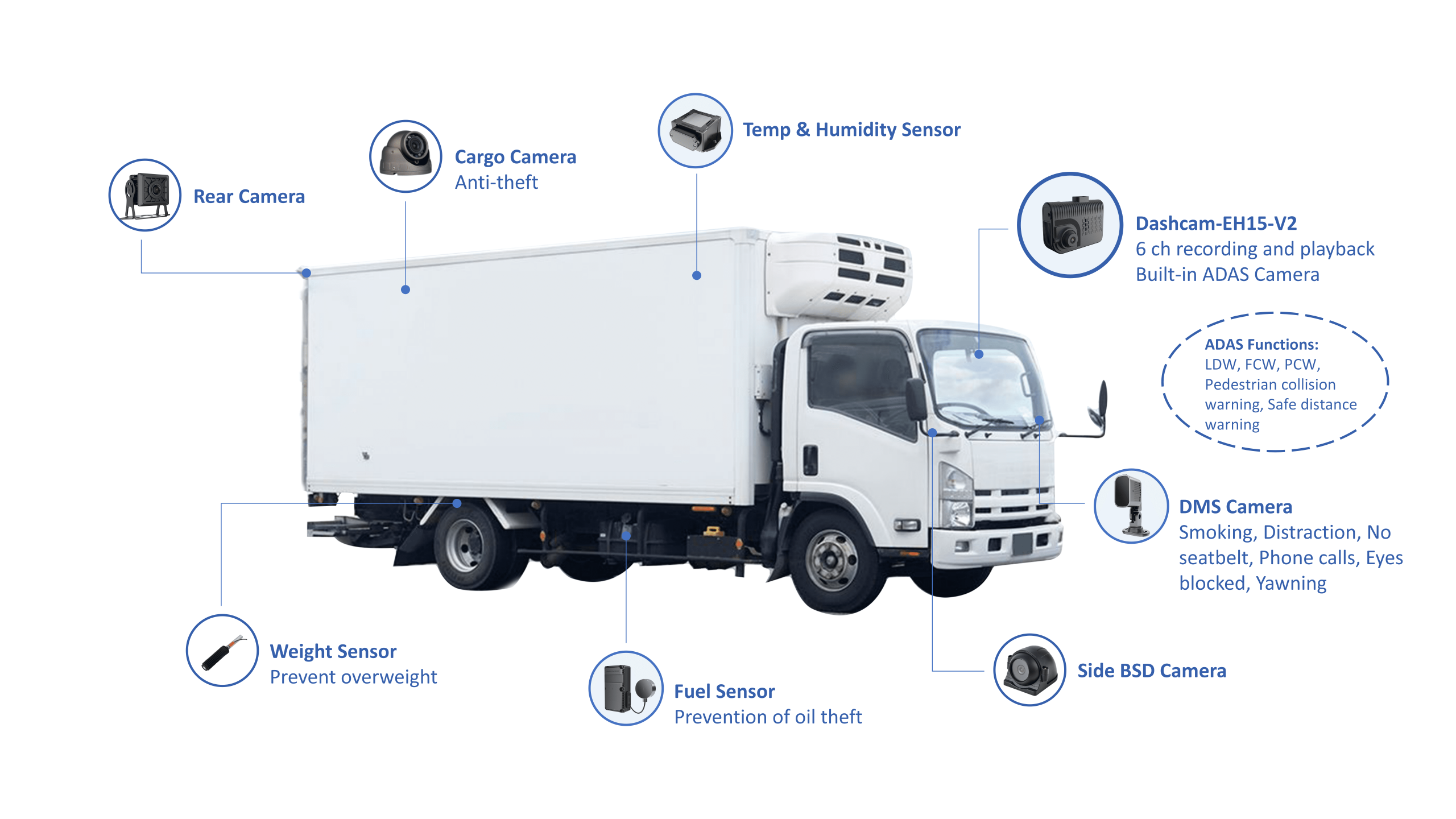
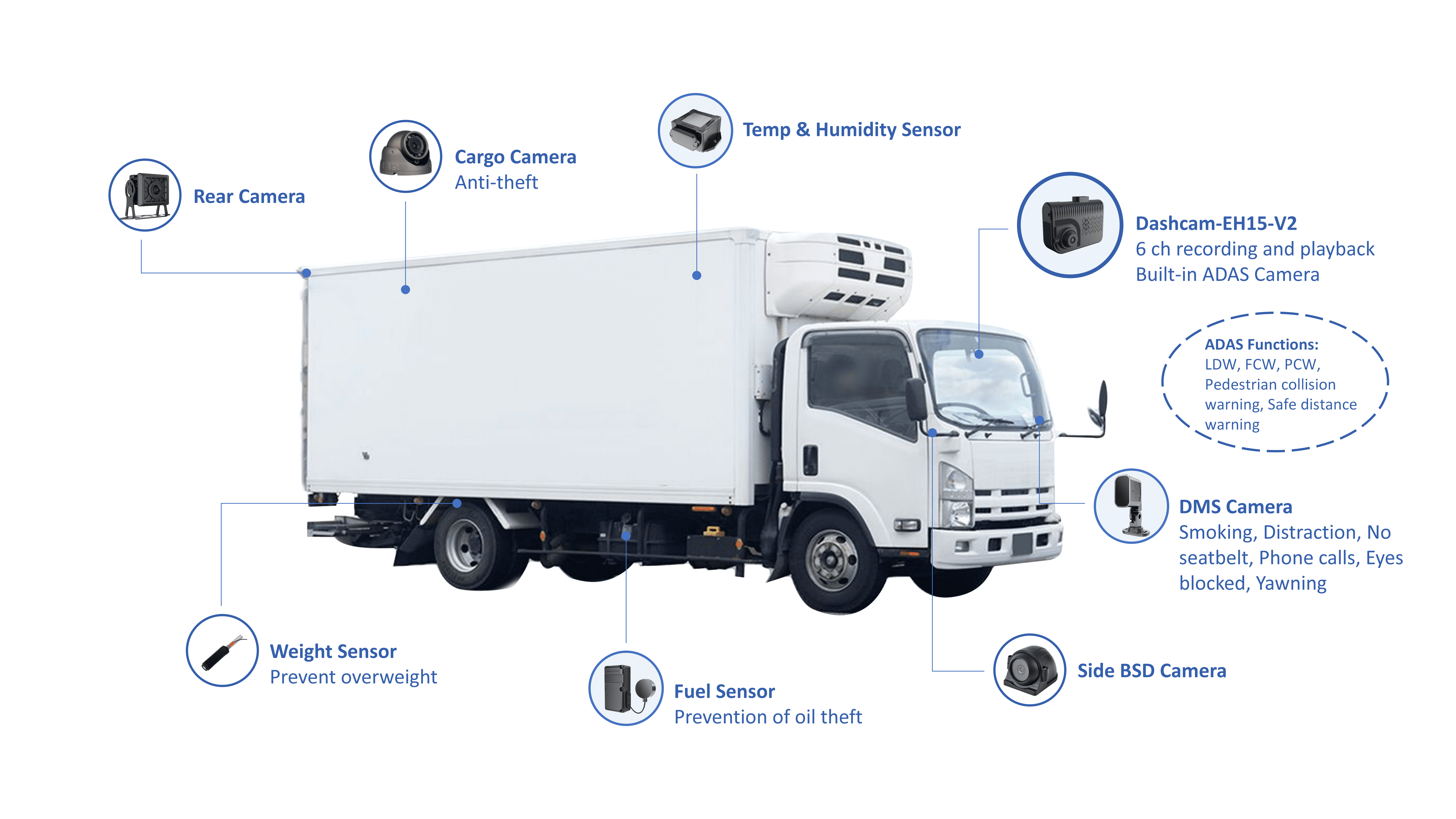
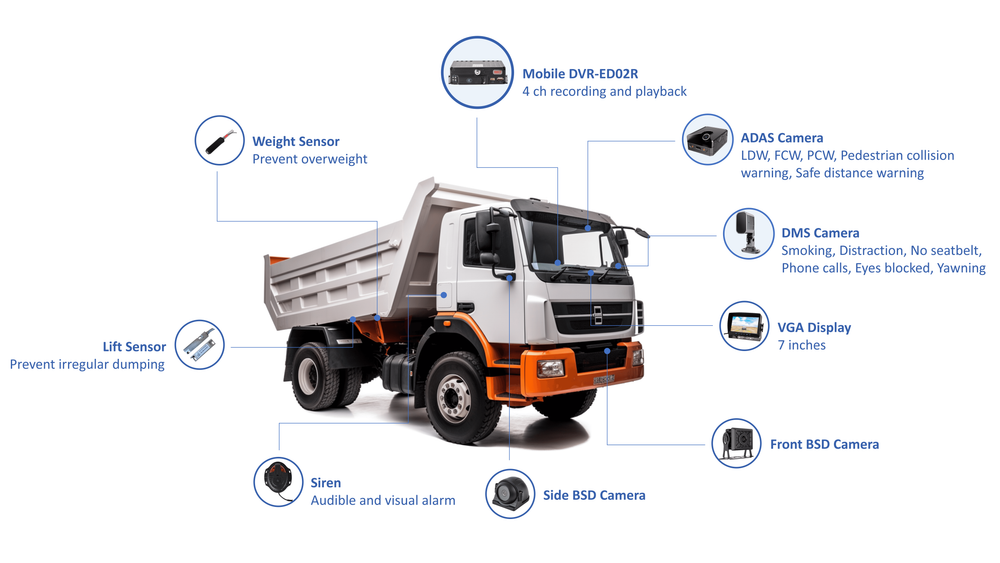
Sketch the signals you require: location, engine diagnostics (via CAN), fuel readings, temperature for reefer loads, and driver hours. Add a column for frequency (real-time vs. batch) and another for reliability (how tolerant your workflow is to gaps). This map tells you whether you need certified OEM gateways, cellular fallback, edge processing, or a simple plug-and-play device.
Step 3 — A vendor-evaluation checklist you can use right away
Score vendors against this minimal checklist. Use pass/fail or 1–5; keep it numeric to compare objectively.- Data ownership and export: can you extract raw telematics streams and historical logs?- APIs and integration: REST/webhook support, documentation quality, sample code.- Hardware compatibility: OEM-certified gateways, installation complexity, environmental specs.- Security and compliance: encryption at rest/in transit, SOC or equivalent controls, data residency.- Reliability: uptime SLA, reconnection behavior, support hours.- Deployment model and pricing: per-vehicle vs. per-asset, hidden fees for extras.- Proof of delivery: ask for a reference deployment similar in size and geography.
Step 4 — Plan integration, then pilot
Design one short pilot that proves the critical path: a small group of vehicles, full data flow into your back office, and one operational outcome to measure (for example, two-minute faster dispatch per run). Use a staging environment and define exact acceptance criteria. Validate how the truck fleet management system sends events, how timestamps align, and whether device firmware updates can be done remotely without taking vehicles offline.
Step 5 — Watch for common pitfalls
Avoid these common mistakes:- Buying on dashboards alone: dashboards can be re-skinned; real value is in raw data access.- Ignoring field install complexity: improper installs create noise and false alerts.- Overlooking bandwidth and costs: frequent high-resolution telemetry can spike cellular bills.- Skipping role-based training: send only needed alerts to drivers; give dispatch actionable views.Address each with a simple mitigation: require exportable logs, demand installation checklists, set telemetry sampling by use case, and schedule short role-based training sessions.
Step 6 — Measure, iterate, and scale
Choose three KPIs for your pilot and keep cadence strict: baseline, weekly checks during pilot, then 30/90/180-day reviews. Useful KPIs: dispatch delay reduction, percentage of trips with complete diagnostic data, and average time to resolve a device fault. Use those numbers to renegotiate pricing tiers or expand hardware classes methodically.
Closing synthesis
Follow this framework: define needs, map data, score vendors, pilot, fix common mistakes, and measure outcomes. That sequence keeps decisions technical, operational, and financial at once, making vendor choices repeatable across fleets and OEM partnerships. When you want a practical partner who understands those steps and can align software, hardware, and operations, consider how BSJ fits into the sequence rather than as a slogan—its role is to match your measured needs to an implementation that the operation can sustain.