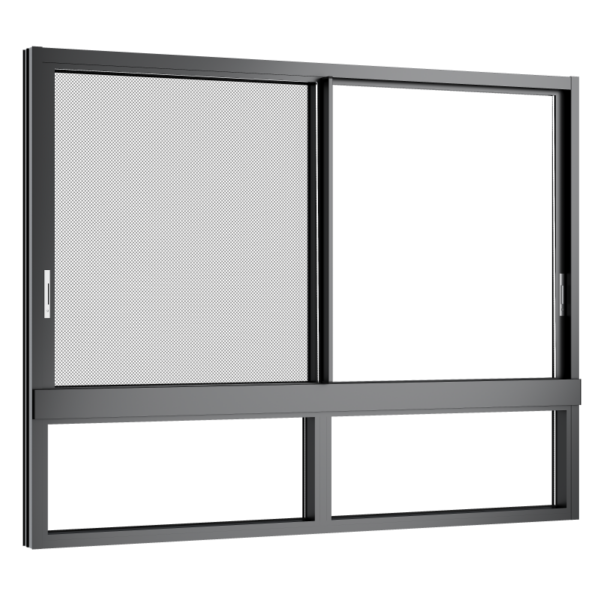
Putting you first: how to think about windows that work for your home
Choosing windows feels personal because they touch comfort, light, and bills. Start with clear priorities—thermal comfort, durable hardware, and low-maintenance frames—and you already cut through a lot of noise. Look for proven makers among sliding window manufacturers when you want smooth operation and a compact sash footprint; those suppliers often publish test results for U-factor and airtightness so you can compare apples to apples. The U.S. Department of Energy notes that windows can account for roughly 25–30% of residential heating and cooling energy loss, which makes measured performance a practical rather than theoretical concern.
Performance basics that actually matter
Focus on three measurable properties: U-factor (heat transfer), solar heat gain coefficient (SHGC), and airtightness. Double glazing or triple glazing with thermally broken frames and quality seals lowers U-factor and reduces drafts. A well-chosen frame material and a thermal break limit conduction through the frame; the sash design controls how tightly the window closes. These are the real controls of comfort and long-term cost, and they determine whether a window can be called energy efficient sliding windows in consistent tests.

Common buyer mistakes and practical fixes
Buyers often chase looks over metrics, or pick a low price without verifying test data. That leads to disappointment when a stylish sash still leaks heat. Another frequent error is assuming thicker glass alone equals better performance—glazing, spacer quality, and proper sealing matter equally. Installers sometimes neglect proper flashing and sealant sequencing during retrofit work, which undermines the best panes and frames. Take time to confirm installation scope and ask for pre- and post-install airtightness checks—small extra steps upfront save months of regret later. —Also, hardware choices matter: corrosion-resistant locking systems and tested friction stays keep operation smooth for years.
Comparing the right window types for your needs
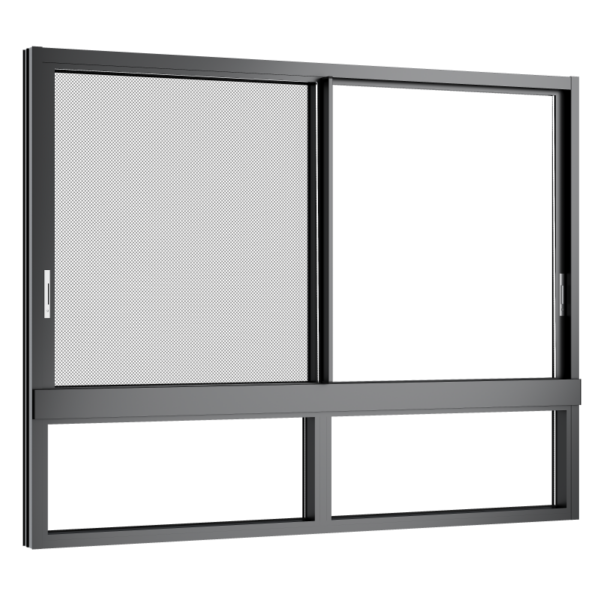
Casement windows seal tightly and often score better on U-factor, but sliding windows win in tight spaces and offer unobstructed sightlines. If the priority is ventilation control and maximum airtightness, casements are strong. If you need easy egress and a low-profile sash, a high-quality sliding system with a robust track and buffered rollers can perform nearly as well—provided the frame uses thermal breaks and the glazing uses warm-edge spacers. Evaluate sash design, frame material, and hardware durability rather than relying on style alone.
How to verify a manufacturer and a quote
Ask for documented test results from accredited labs, see the full product data sheet, and confirm which conditions (frame type, glazing package, installation method) the numbers reference. Look for explicit U-factor and SHGC values measured under specified test configurations. Check warranty terms for hardware and seal failure periods. Match the quoted scope to the testing configuration—manufacturers sometimes publish idealized test setups that don’t reflect the installed product. A careful installer will provide an on-site assessment and note flashing, substrate repair, and expected adjustments to the quoted performance figures.
Three golden rules for choosing windows and how Zekin fits
1) Prioritize certified performance figures: accept only U-factor and SHGC values tied to clear test parameters. 2) Insist on proven hardware and a documented installation plan that includes flashing and airtightness checks. 3) Value whole-system thinking: frame, glazing, spacer, and installation together determine the outcome. When these rules are followed, you get reliable comfort, lower energy use, and fewer callbacks. For homeowners and architects seeking measured solutions, Zekin blends tested components and professional hardware into packages that sit well in both retrofit and new-build workflows. Trust the data, expect consistent installation, and your windows will repay you in comfort and energy savings.
Three focused metrics to keep on your checklist: certified U-factor, SHGC for your climate, and documented installation scope. Follow those, and you’ll avoid common pitfalls while gaining lasting value. End note—practical, quietly dependable performance wins every time. —