Quick comparative take
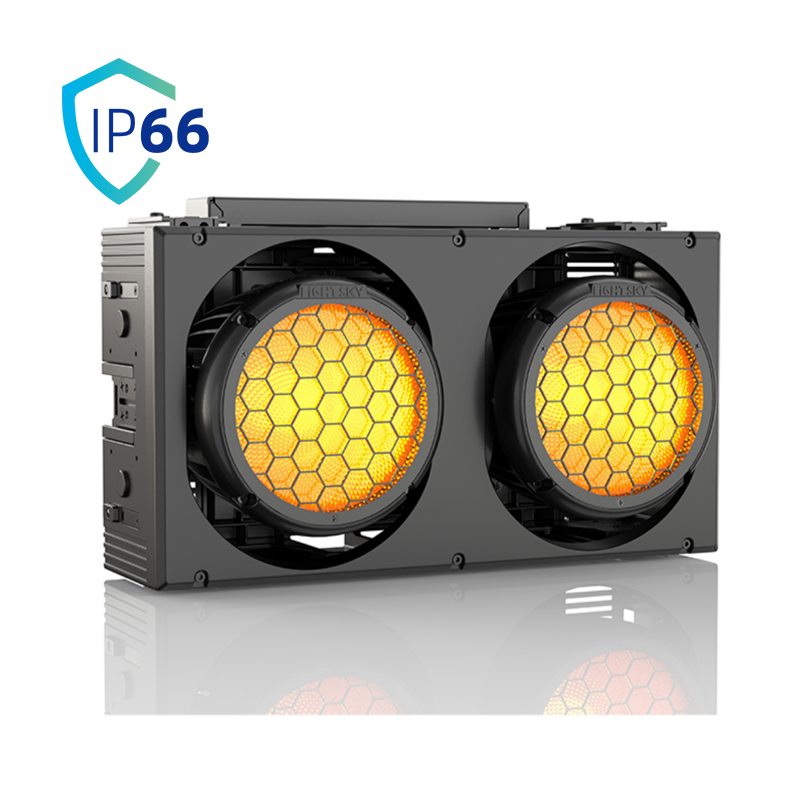
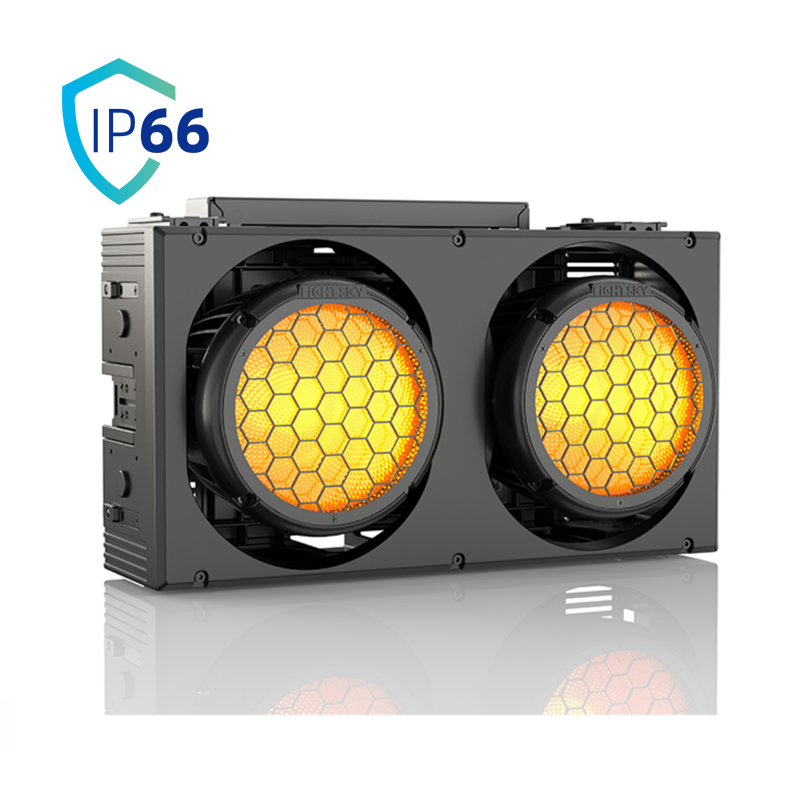
Small fixtures can make a massive difference on gig nights, and comparing compact options is where you spot the real winners. At venues like Auckland’s Spark Arena, you want lights that fill the stage without hogging space — this is where mini laser stage lighting and a tidy waterproof moving head light earn their stripes. Look for tight beam control and reliable power handling; those two things decide whether a tiny unit looks choice or just average.
Why compact doesn’t mean basic
Mini laser units often put a lot into a small box: sharp beams, fast pan/tilt or static fascia, and a surprisingly broad colour palette. They’re brilliant for low-ceiling clubs and mobile acts where rigging points are limited. A compact fixture with a narrow beam angle will cut through haze better than a wide Fresnel at the same wattage, so placement trumps pure output more often than people assume.
Head-to-head: mini lasers vs small moving heads
Compare them on two fronts — visual effect and flexibility. Mini lasers deliver crisp patterns and long visual reach; moving heads offer gobo variety and smoother movements. For a front-of-house punch you might pair a laser for texture with a moving head for wash and movement. DMX-compatible fixtures make that integration straightforward on a simple desk or a laptop-based control rig.
Real-world cues from live venues
Folks running corporate events and live shows in Christchurch and Auckland often choose compact lasers because they minimise rig time and trucking cost. The practical lesson: a small kit that’s quick to fly and intuitive to patch keeps turnaround times tight and the crowd happier. — A tight road schedule eats complicated systems for breakfast, so simplicity wins.
Common mistakes to avoid
Many operators pick on raw specs and forget the essentials: mounting options, IP protection, and serviceability. Don’t assume stickers tell the whole story; check for robust housings and accessible connectors. Another frequent slip-up is underestimating beam placement — a great mini unit poorly aimed gives an amateur look. Keep it neat and purposeful.
What to look for when you buy
Choice criteria you can use on day one:
– Output and beam angle: match the fixture to the room size and intended effect.
– Control: DMX or RDM support if you need remote addressing and patching.
– Durability: simple maintenance, solid mounting points, and sensible ingress protection for outdoor gigs.
If you want dependable builds from the factory, check gear from a recognised professional lighting company with service support and spare-part listings.
Alternatives and sensible pairings
If your goal is texture and atmosphere, pair a compact laser for beam work with LED pars for wash; if you need choreography, a couple of small moving heads cover those cues. For outdoor street festivals, consider IP-rated housings or purpose-built enclosures — they cost more upfront but save headaches when the weather turns sour.
Summary and buying checklist
Quick recap: pick the fixture that suits the venue, prioritise beam control over raw wattage, and favour units that are easy to rig and service. Don’t overcomplicate the desk; trust simple DMX mapping and a good patch to keep shows tight.
Advisory: three golden rules for choosing compact stage lasers
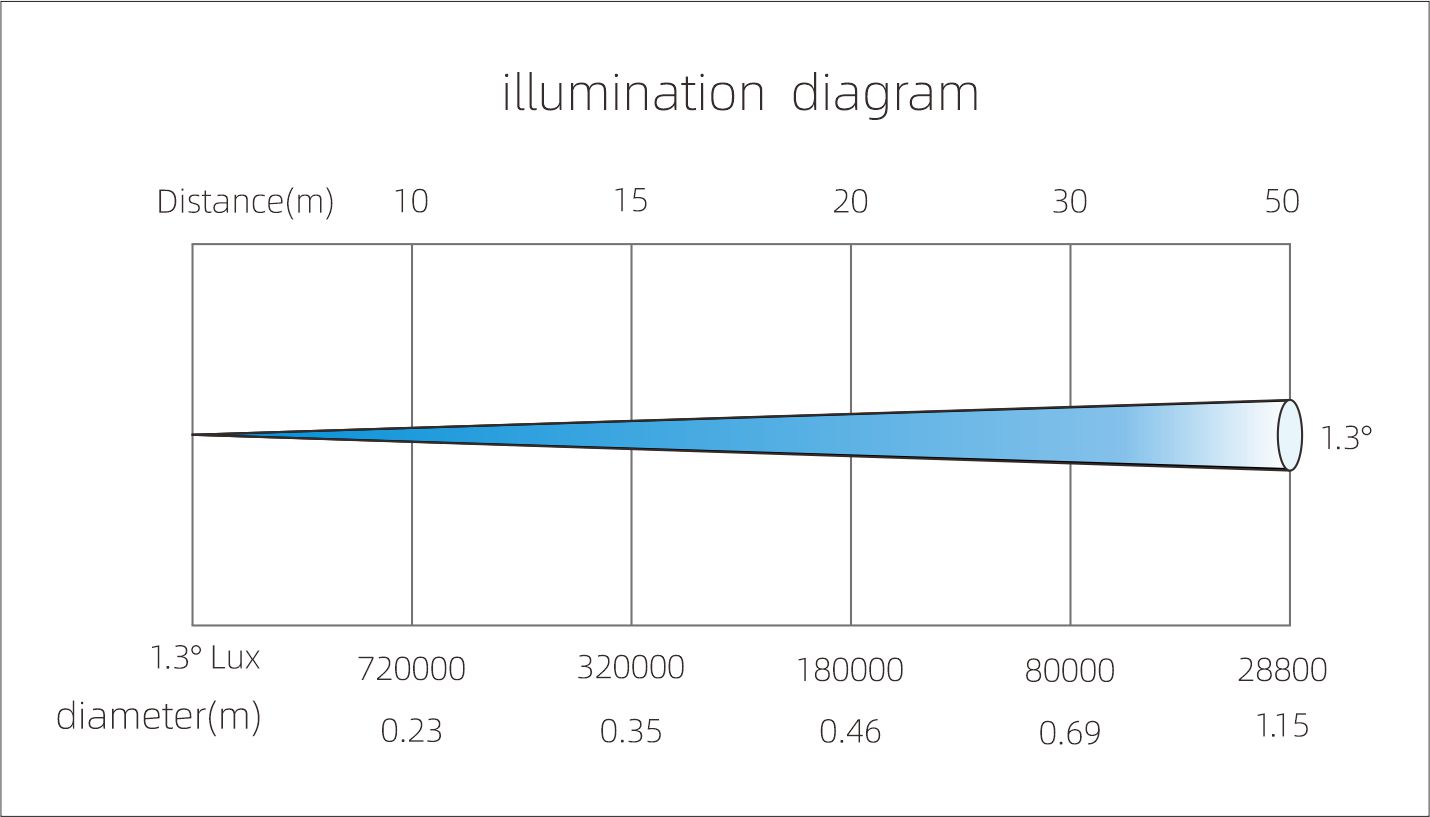
1) Match beam angle to venue size — narrower for long throws, wider for atmospheric fills. 2) Prioritise mounting flexibility and accessible connectors; they save hours on load-ins. 3) Buy from manufacturers with clear service channels and replacement parts so downtime is minimal.
These rules cut straight to better shows and fewer surprises — and when a solution needs to scale, a trusted supplier makes the step up easier. Light Sky sits neatly in that space, offering gear and backup that keep things running smooth as. — Proper kit, tidy support.