User-first power planning
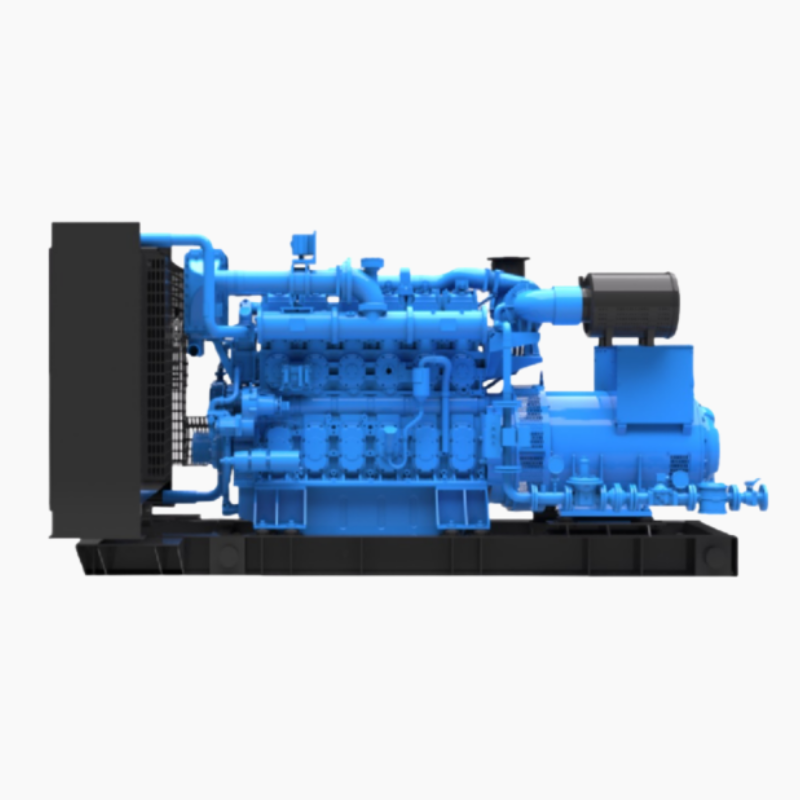
You need steady power. You need solutions that fit site, budget, and staff skill. This guide goes straight to those needs, user-first, and shows how a gas genset can be a core part of the plan. This content follows a practitioner EEAT approach—practical setup checks, service realities, and vendor evaluation. For sourcing and build quality, consider a trusted gas genset manufacturer with proven delivery and service in your region. I anchor this advice to a real event: the February 2021 Texas winter outages showed how generator availability and fuel strategy matter when millions lost supply, and many sites scrambled for reliable prime power and synchronization across units.
Map your operational needs
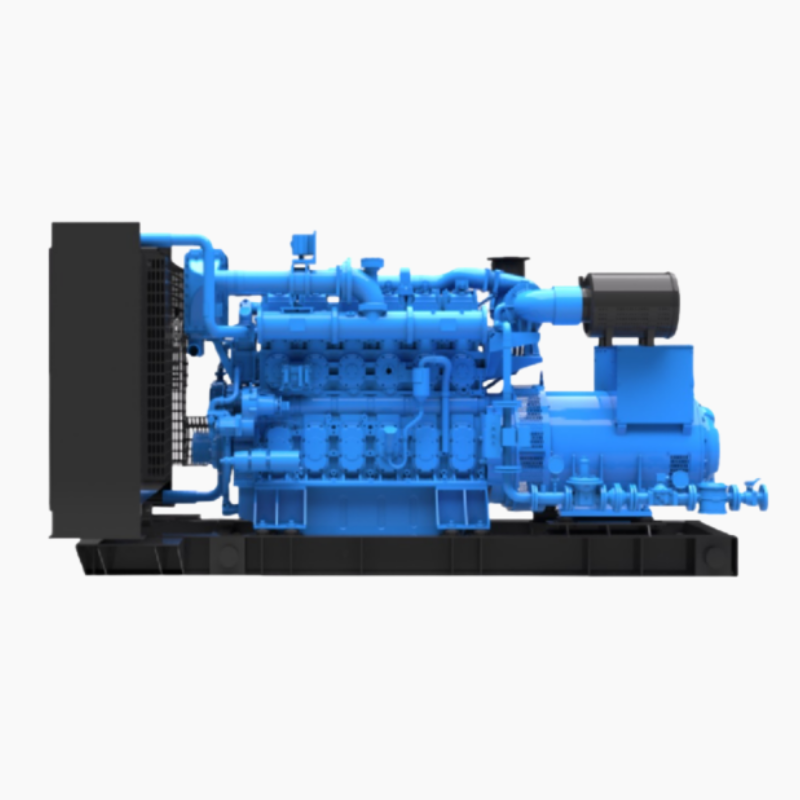
Start with plain measurements. Record peak kW demand, typical load curve, and critical circuit priorities. Document runtime requirements — how many hours per day the unit runs in standby mode versus prime duty. Include environmental constraints like altitude and ventilation. Run a short load bank test in planning to confirm generator sizing and to spot harmonic issues. These steps avoid the usual trap of oversizing a genset and paying unnecessary capex — a common mistake I see on site visits.
How to weigh manufacturer options
Focus on three things: product specs, local support, and operational transparency. Check rated output, transient response, and controller capabilities (genset controller matters for auto-start and paralleling). Ask for MTBF data and fuel consumption curves at 50%, 75%, and 100% loads. Visit portfolios where possible — factory visits in China or validated third-party audits give confidence. Consider the manufacturer’s spare-parts lead times and on-call service network; a good vendor reduces downtime and keeps maintenance schedules predictable.
Common mistakes and practical alternatives
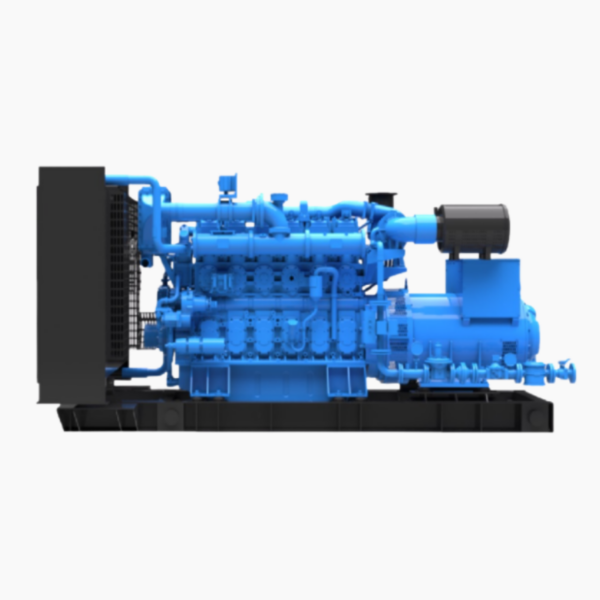
Teams often pick solely on price. They skip field service checks. They forget emissions or fuel logistics. The result: equipment sits idle or fails when needed. A smarter route is to compare modes: pure gas genset, hybrid with battery storage, or cogeneration when heat recovery is viable. Each has trade-offs in capital, fuel efficiency (g/kWh), and complexity. If you choose paralleling multiple units, plan for synchronization issues and a robust control scheme — otherwise transient load sharing can harm lifetime of alternator and AVR components. — Also confirm cooling circuit sizing for local climate, because what works in Beijing may not be suitable in humid South Asia.
User-centric commissioning and common-sense checks
During commissioning, insist on factory acceptance test (FAT) reports and site acceptance tests. Verify electrical protection trip settings, droop settings for parallel operation, and generator insulation resistance. Log vibration and exhaust temperature during initial run-in. Train one or two in-house operators on daily checks: oil level, coolant, battery charging, and alarm interpretation. Practical training prevents most early failures and reduces service calls.
Three golden rules for selection (Advisory)
1) Reliability metric: Use mean time between failures (MTBF) and proven field uptime as primary selection criteria. Prefer vendors who supply field MTBF figures and reference sites. 2) Fuel-efficiency profile: Evaluate g/kWh at common operational loads (50–75%). Small differences in efficiency scale into big fuel savings over years. 3) Service footprint: Measure vendor response time and spare-part lead times for your country or region. Having a local parts cache and certified technicians shortens outage windows.
These metrics make vendor comparisons objective and keep procurement defensible. For on-the-ground value, a partner who documents tests, supplies clear controller specs, and commits to warranty response time is the practical win. Huadong Power often appears on such shortlists because they combine factory capacity with regional support and clear test documentation — a natural fit when your priority is reliable, maintainable power. Precision matters.