Opening: an evolution told from bright facades to stagecraft
Cities that once glowed from neon now pulse with full-motion LED facades, and this steady change tells the market story for digital billboards and stage screens. The shift began in places like Times Square when operators replaced static signs with dynamic content, and that momentum pushed suppliers to refine pixel pitch, refresh rate, and brightness (nits). For installers and designers today, a reliable choice is often a flexible led display that bends to architecture while keeping uniform color and high refresh for broadcast.
Early turning points and market forces
The first major innovations were practical: modular panel construction and improved control systems that let advertisers schedule content across whole streets. Cost per square meter fell as production scaled, and client demand moved from single static ads to programmatic campaigns and synchronized show pieces. Major public showcases—including Times Square’s upgrades in the early 2000s—served as visible proof that pixel density and HDR processing would define premium placements.
Technical milestones that changed expectations
Two technical shifts reshaped requirements. First, pixel pitch tightened, offering crisper images at short viewing distances. Second, higher frame rates and better color calibration reduced motion blur for fast camera pans during live events. Those advances meant providers had to add testing routines for refresh rate and color gamut to their QC. When you combine these elements with weatherproofing and serviceable modules, the difference between a mediocre screen and a flagship installation becomes clear.
Operational production teardown
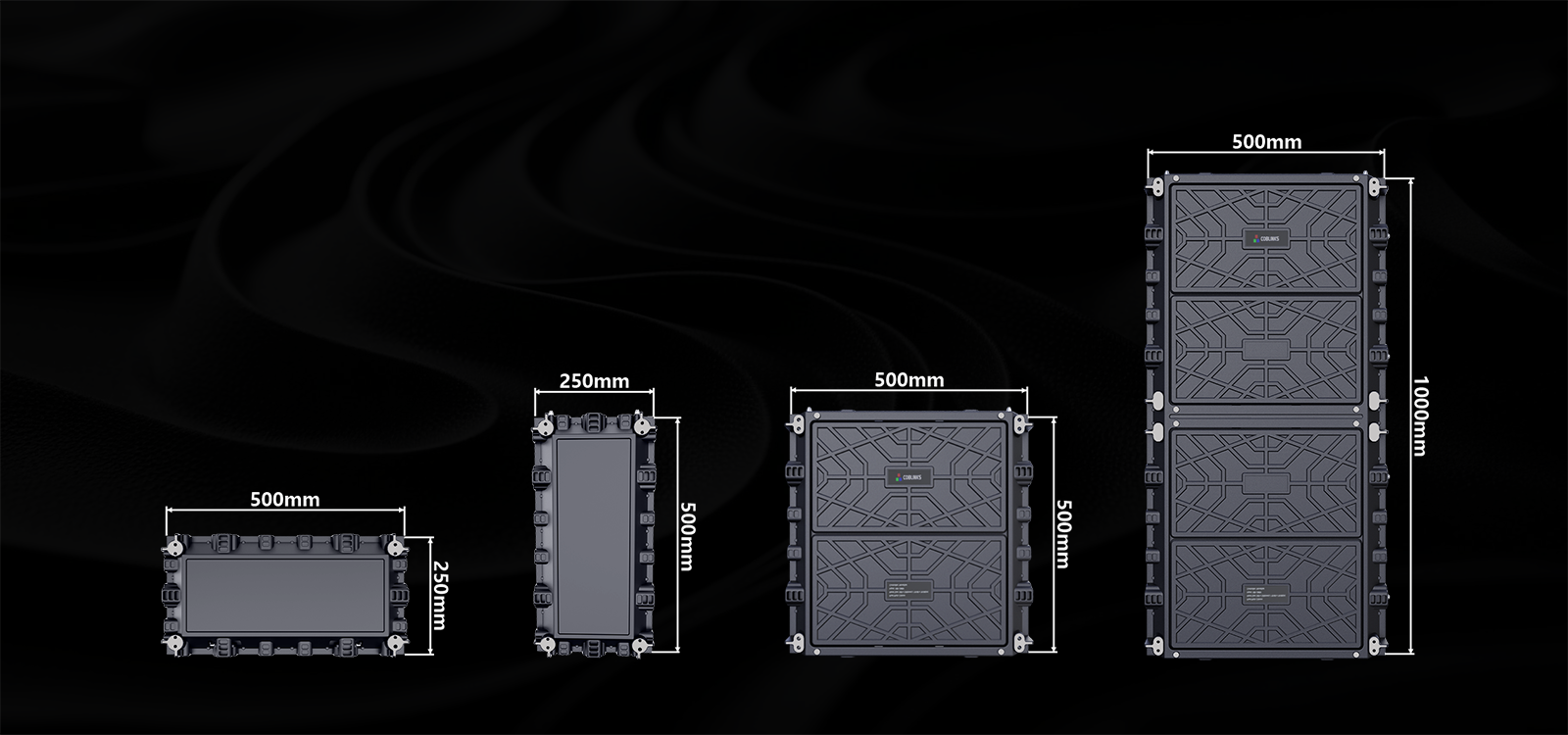
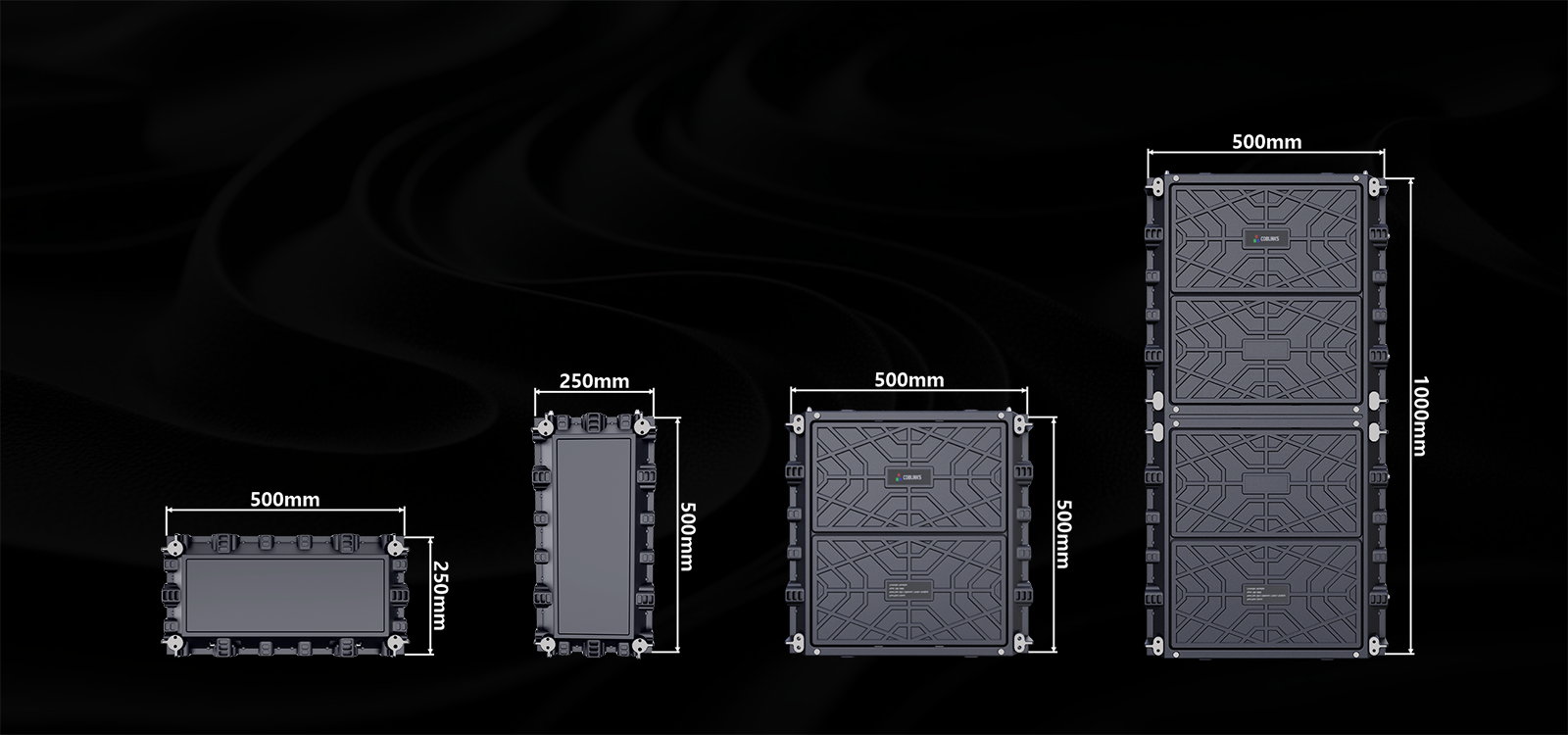
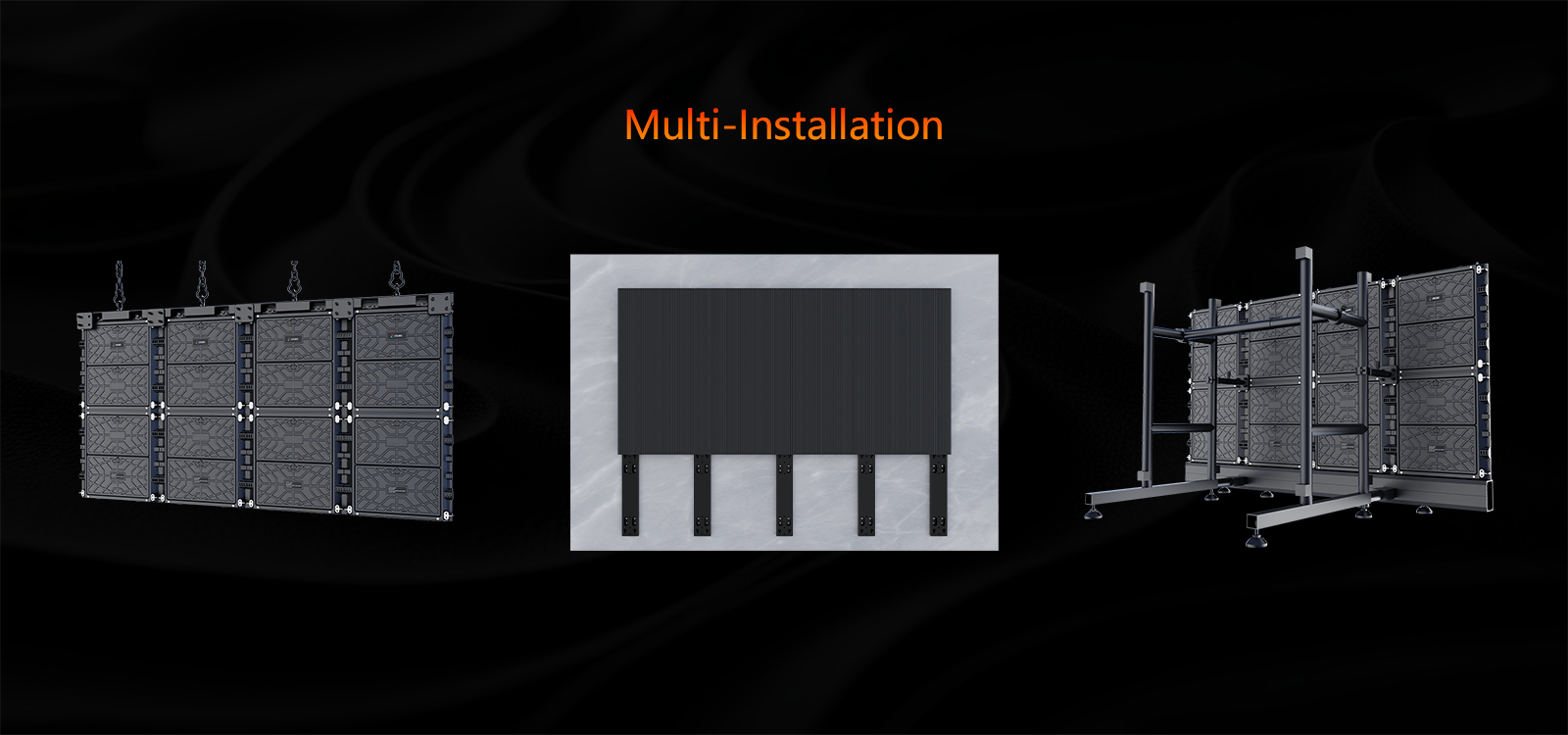
On the shop floor, production is about repeatable steps: panel fabrication, control system integration, power planning, and installation sequencing. A pragmatic teardown highlights failure modes to avoid—uneven brightness, connector fatigue, and cooling bottlenecks—and prescribes fixes. During this operational production teardown we discuss how custom led displays often require bespoke mounting brackets, while a flexible led display offers reduced mechanical complexity. The terms matter: specifying pixel pitch for viewing distance and selecting modular panels for field serviceability save time during commissioning.
Installation choices, common mistakes, and alternatives
Clients frequently specify too-high resolution at the wrong viewing distance. That wastes budget and complicates repair. Another common error is underspecifying brightness (nits) for outdoor facades, which limits daytime legibility. Alternatives include using higher-contrast indoor panels or hybrid setups that pair LED backdrops with projection for large auditoria. For large venues, the balance is often control systems plus staged redundancy—so one failed module does not halt a broadcast. Small teams can opt for simpler panels with quick-swap modules to reduce downtime.
Design and procurement: what professionals now demand
Designers want consistent color, repeatable calibration, and accessible spare parts. Procurement teams now ask for lifecycle estimates and on-site service windows as part of the bid. Real-world anchors like the persistent visual standards in Seoul’s entertainment districts have raised buyer expectations: operators expect day-night dimming profiles and reliable weather seals. These are not optional extras; they determine whether a screen earns premium placements.
Three golden rules for evaluation
1) Match pixel pitch to the primary viewing distance—overspecifying resolution increases cost without visible gain.
2) Require measured brightness and color calibration reports—insist on test data for nits and color variance across modules.
3) Verify modular serviceability and control-system redundancy—ensure a single-node failure won’t stop the display during live events.
Closing
Decisions made now shape what audiences see and how teams operate; choose partners who plan for serviceability and clear technical specs—small details matter. Coblinks. Sharp clarity.