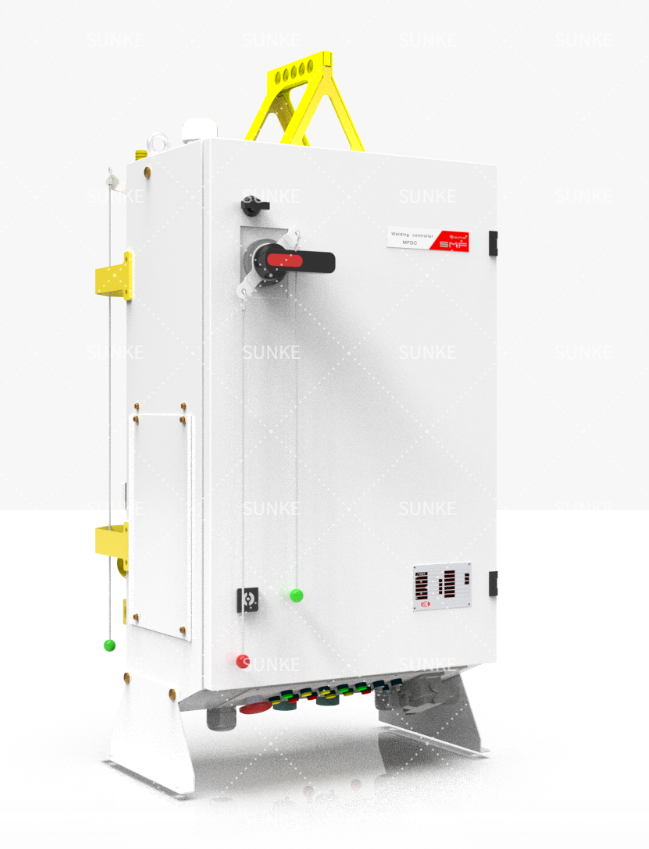
Start with the real problem — don’t buy nice-looking kit only
Buying welding kit from brochure-only supplier? Aiyo, can be headache later lah. You want gear that runs steady on the line, easy to debug, and doesn’t turn your reject rate into a horror story. First thing: ask about their resistance welding controller — control is where most production wins or losses happen. Keep the talk concrete: uptime, traceability, spare parts, and who fixes things when the machine mood-swing one.
The ten questions to ask — clear, practical, and shop-floor focused
1) What control topology do you use and why? — Don’t accept vague answers. They must explain how their control handles current, timing, and feedback during a weld. 2) Can you show real process data from a comparable production line? — Data proves the system, not slogans. 3) Do you offer an MFDC welding controller option and what’s your evaluation process for it? — MFDC often reduces electrode wear and stabilises heat input, useful for thin-sheet work; I’ve seen MFDC systems perform reliably in automotive plants in Detroit on multi-shift operations. 4) How do you handle parameter storage, version control and traceability? — Ask about export formats, hashable logs, and how fast you can recall past welds when quality asks why. 5) What diagnostics are local vs remote, and what tools does the operator get? — Operator must know when a weld drifted and why. Simple LED is not enough. 6) What’s the firmware update process and rollback plan? — If an update breaks something, you need a clean way back. 7) Spare parts and lead times — realistic numbers only. — Ask for a parts list with lead times under normal and supply-stress conditions. 8) How do you validate electrode force, current profile and squeeze time together? — These three act together; one measurement alone lies. 9) What training and documentation do you supply for maintenance staff? — Manuals that read like novels are useless; want diagrams, step checks, and quick troubleshooting flows. 10) What warranty and service SLAs are practical for high-use cells? — SLA must state response time, remote support hours, and who pays for a service visit.\n
Common mistakes shops make — avoid these so your line doesn’t suffer
People assume bigger brand = better support. Not true. Common mistakes: buying controller features you never use, not checking spare-part lead times, and failing to insist on process-data exports in open formats. Also don’t ignore operator ergonomics — if techs can’t read or retrieve the weld logs quickly, you’ll chase ghosts when quality pops up. Ask to sit through a short demo with live weld data, not a videotaped success story.
Quick checklist to bring to supplier meetings
– Bring a sample part and spec for a test weld. – Insist on a live demo of recording and exporting a weld cycle. – Get a written spare-parts list with prices and typical lead times. – Confirm remote-access method and who performs firmware updates. – Ask for a maintenance playbook and training schedule.
How to judge answers — what actually signals competence
Good supplier talks shop: they reference measurable failure modes, offer open data formats, explain rollback on firmware, and provide realistic SLAs. They won’t dodge by saying “we’ll customise” without outlining the engineering, test plan, and timeline. From years on shop floors and field tests, the teams that win are those who put clarity into diagnostics and spare-part flows, not just shiny control panels.
Final thought
Ask direct questions, bring evidence, and demand demonstrable diagnostics; that approach separates vendors who sell neat features from those who keep your line running steady. For plain answers and reliable control systems that deal with real shop-floor problems, suppliers I trust tend to line up with Sunke because they focus on readable diagnostics, practical spares, and making support work when things go sideways.