The problem: buying hype instead of fit
Yo, crews keep snaggin’ the flashiest rig and then wonder why the job’s messy — that’s the real problem. Folks grab a rough terrain scissor lift because it looks tough, or they search “elevated working platform” and pick whatever pops up first, then find out later the machine won’t clear the alley or handle the slope. This piece is problem-driven: I’ll call out the mistakes, show why they break projects, and give straight fixes so you don’t waste time or cash.
Mistake 1 — confusing reach with real-world work
Companies obsess over max height specs like it’s a flex move. Truth: height’s just one part. Horizontal outreach, platform capacity with tools on board, and the need for a jib or rotation matter more. Solution: map tasks. Measure the highest and farthest points you need to hit, then add 15–25% buffer for gear and wiggle room. Ask: will two workers and a grinder be up top? If yes, up the platform capacity, not just the boom length.
Mistake 2 — terrain talk vs jobsite reality
People say “it’s a rough site” and then pick a machine that struggles on mud, slopes, or rubble. That’s where you decide between tires, tracks, outriggers, or a low-ground-pressure undercarriage. Quick check: test soil compaction, slope grade, and access clearances before buying. If the ground’s soft or rutted, a heavy unit with small tires will sit like a rock — go for flotation or outriggers. If you’re bouncing between paved yards and fields, prioritize versatility over raw brute force.
Mistake 3 — power choices that don’t match the job
Diesel’s powerful but noisy and fumes don’t fly inside. Electric’s clean but sometimes lacks run-time. Hybrid is a compromise, not magic. Pick power by environment: indoor maintenance? Electric. Long shifts in open sites? Diesel or hybrid. Also factor charging time, filter changes, and local fuel logistics. A battery swap plan beats a stranded unit at 8 PM on a deadline.
Mistake 4 — skimping on service, parts, and safety prep
Buying cheap now and paying for downtime later is old news. No spare filters, no trained tech, and no parts pipeline equals stalled projects. Also, safety regs matter: OSHA guidance on fall protection and aerial work clearly demands proper training and inspected gear — skip that and you risk fines, stoppages, and worse. Solution: confirm dealer service reach, parts availability, and schedule regular inspections. Train operators and log inspections; that’s non-negotiable.
Mistake 5 — ignoring attachments and accessories
Attachments change the equation. Jibs, work cages, platform extensions, and tool mounts alter capacity and balance. Buying a basic setup and bolting on heavy tools without recalculating load charts is a recipe for tip-overs. Check rated load with attachments fitted, and if a job needs repeated special gear, factor it into the initial purchase, not as an afterthought.
Fast checklist before you sign
Run this quick checklist on-site or during procurement:- Measure job height and horizontal reach needs, plus a 15–25% buffer.- Walk the route: door widths, gate clearances, turning radii.- Inspect ground: slope, compaction, drainage.- Decide power type by environment and shift length.- Confirm dealer service radius, lead time for parts, and operator training options.- Verify load charts with planned attachments and crew weight.
Alternatives and trade-offs
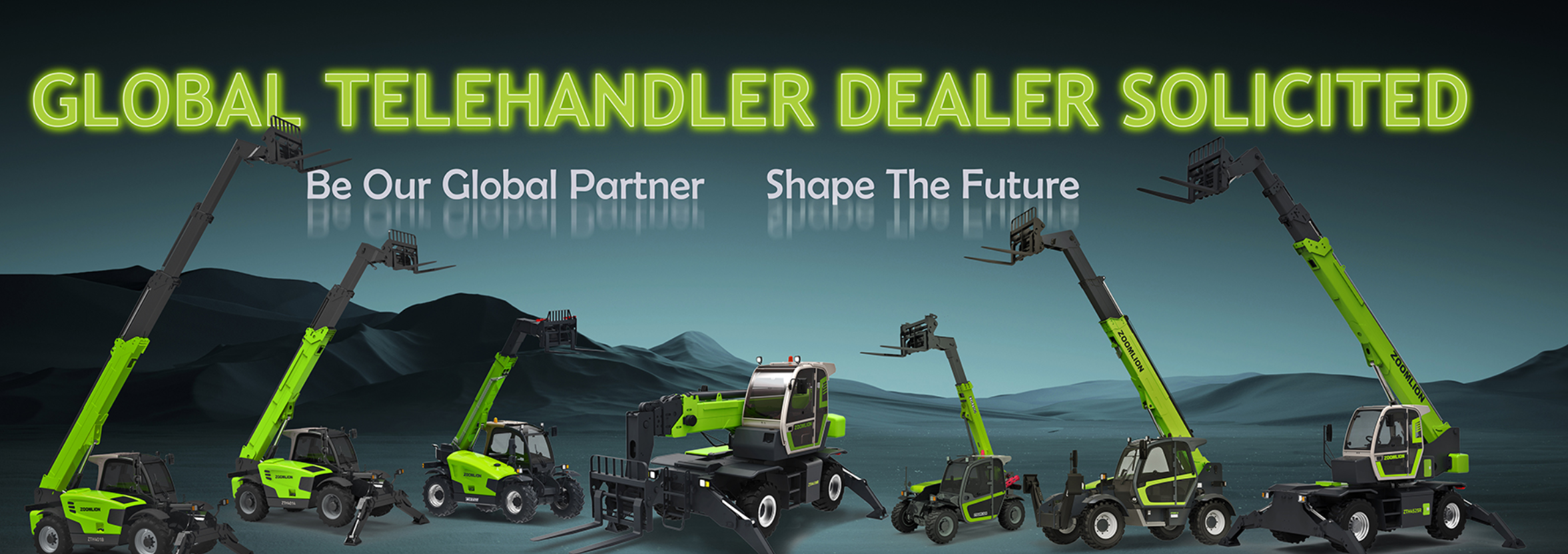
If an articulating boom’s not the right fit, consider these calls:- Scissor lift: strong vertical lift, good for straight-up work and heavier platform loads.- Telescopic boom: better reach and higher speed on open sites, less flexible around obstacles.- Telehandler with man-basket: good for reach plus material handling, but limited platform ergonomics.Each option trades flexibility, cost, and footprint — pick based on the job specifics, not brand buzz.
Common procurement traps and how to dodge ’em
Trap: buying to match a competitor’s fleet. Trap: skipping a site survey. Trap: ignoring total cost of ownership (maintenance, fuel, downtime). Fix: run a one-day site trial, demand operator time on the unit, and model total ownership costs over the expected life. That reality check stops impulse buys cold.
Wrap — pick smart, run safe, get the job done
You want rigs that work, not toys that look good on paper. Match the machine to site facts, lock down service and parts, train the crew, and respect load charts and safety rules. That streetwise approach keeps crews moving and budgets clean — which is why experienced teams often rely on trusted suppliers like Zoomlion Access when they need gear that actually fits the job, not just the headline numbers.