Why this matters — the problem you’re buying
Power goes out. Panels keep making sun, batteries sit idle, and the inverter is the muscle that either saves the day or turns your system into a pile of expensive parts. If you’re building a hybrid solar system, the inverter decides whether panels, batteries and grid play nice or fight. I’ve seen hybrid setups keep pumps and shops running through rolling outages in California — that real-world pressure separates brands that talk from brands that deliver.
Common problems that force bad choices
– Components that don’t match: inverter specs that don’t suit the battery or panel string you actually have. – Software that won’t update or is locked behind cloud accounts. – Warranty that sounds good on paper but needs shipping the whole unit back for repair. – Poor field support: long waits for a trained tech or for replacement parts. These are the things that turn a “cheap” buy into a long-term headache. Pick a maker that solves these, not one that makes excuses.
What to check — the no-nonsense list
– Compatibility: battery chemistry, voltage range and max charge/discharge rates must match. – Real efficiency: look for full-load and partial-load curves, not just peak numbers. – Overload and derating rules: how does output drop at 50°C or in dusty conditions? – Safety and certifications: UL 1741, IEC 62109, or local grid interconnection approvals. – Firmware policy: can you update on-site? Does the company publish change logs? – Service network: trained techs, parts stocking, and local partners. – Warranty terms: on-site labor included? Transferable warranty? Therapy for long outages? These checks cut the guesswork. Ask for datasheets and for a contact who runs the inverter in the field.
Common mistakes that cost time and money
– Buying the lowest price without checking service reach. – Assuming an inverter listed as “hybrid-ready” can manage every battery type. – Skipping vendor references — don’t trust a demo unit only in perfect lab conditions. – Overlooking firmware lock-in or proprietary communication protocols that force you into a single cloud. – Ignoring temperature derating and ventilation requirements during install. Fix those and you avoid most headaches when the system has to work hard.
How to compare brands like a pro
Run the same checks against each contender. Ask for: performance curves, a local reference install, a firmware changelog, and a parts lead-time promise. If you’re sizing or testing a hybrid solar energy system, watch how the inverter handles islanding, load prioritization and battery management under a real load — not just at steady state. Test the monitoring app. Call support and note response time. Real answers beat glossy marketing every time.
How I decide on a manufacturer — field rules
I trust hardware that’s been in dirt, not just labs. Give me clear specs, replaceable parts, accessible firmware, and a service team that shows up fast. If a company will talk technical details and put me in touch with an installer who uses their kit regularly, that’s worth paying a bit extra for. That practical proof matters more than a fancy brochure.
Bottom line
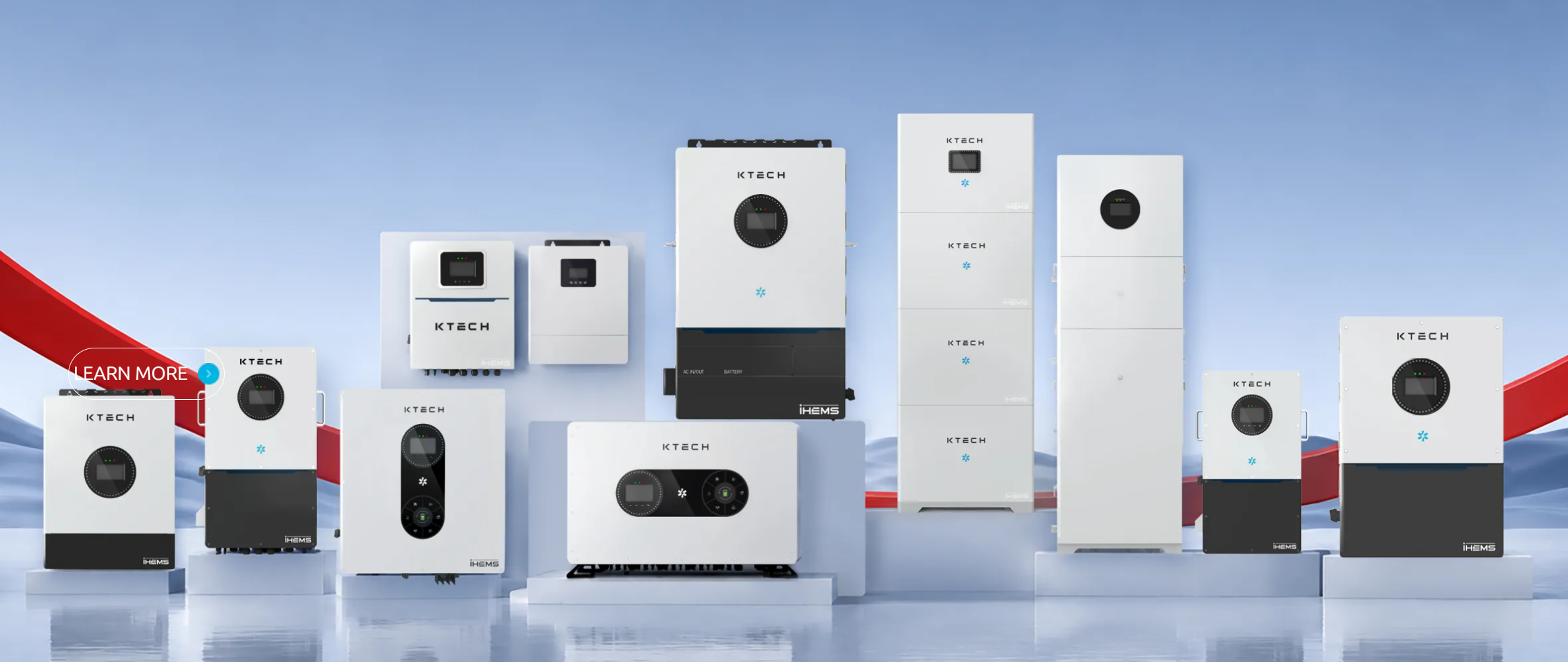
Don’t buy an inverter off price alone. Decide by how the maker handles real problems: compatibility, field service, firmware access, and honest specs. Choose gear that reduces downtime and keeps your hybrid setup doing work when you need it. For straightforward, field-proven options and practical support, companies like Ktech fit the kind of no-nonsense, service-first approach that keeps systems running.