
Start with the task, not the tech
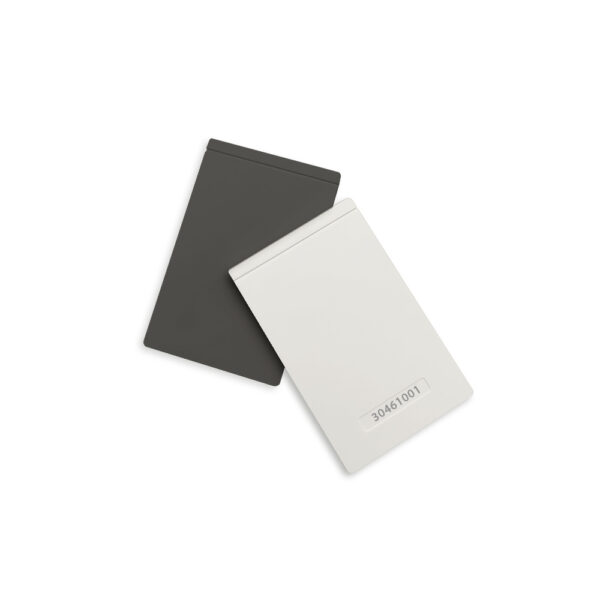
If your day is spent wondering where pallets, instruments, or temperature-sensitive cargos are, you want tools that reduce that worry — not add setup headaches. Think about the exact job you need: long-range location updates, battery life that matches your operational cycles, or continuous temperature logging. For many teams the immediate answer is active rfid tags, but choosing the right one depends on the user journey you’re solving for, not just radio specs.
Map the user journey and constraints
Sketch a short timeline of how items move through your process: where they’re picked, stored, transported, and finally used. Note environmental constraints — metal racks, refrigerated trucks, long outdoor yards — and human factors like who will attach and scan tags. Matching tag form factor and enclosure rating to those constraints keeps adoption friction low. Prioritize features that reduce human error: simple mounting, visible status LEDs, or long battery lives that don’t require frequent replacements.
Key selection criteria that actually matter
Focus on four practical axes: read range that meets your site map, battery life tied to maintenance windows, sensor accuracy when you need environmental data, and interoperability with your readers and middleware. Ask for measured range tests in your facility or comparable environments rather than relying on lab numbers. Confirm firmware update paths and how the tag reports (push vs. polled) — those choices shape your integration work and alert behavior.
Common mistakes teams make
People pick tags by price or headline range and regret it later. Don’t assume “long range” equals reliable range near metal or in cold boxes. Ignoring middleware compatibility creates hidden costs during integration. Overlooking battery replacement logistics causes downtime. Finally, choosing a sensor without verifying its calibration or sampling frequency undermines trust in the data when decisions depend on it.
Alternatives and where they fit
Passive RFID is cheaper and fine when reads happen within a few meters at controlled choke points. BLE beacons work well for consumer-facing or short-range asset monitoring and have broad phone support. LoRa devices give very long-range, low-power telemetry but usually at lower sampling rates. If you need periodic, low-bandwidth location pings, LoRa can beat active RFID on battery life. If you need frequent, precise reads with sensor reporting, active RFID is often the practical choice.
Real-world experience, expertise, and a clear example
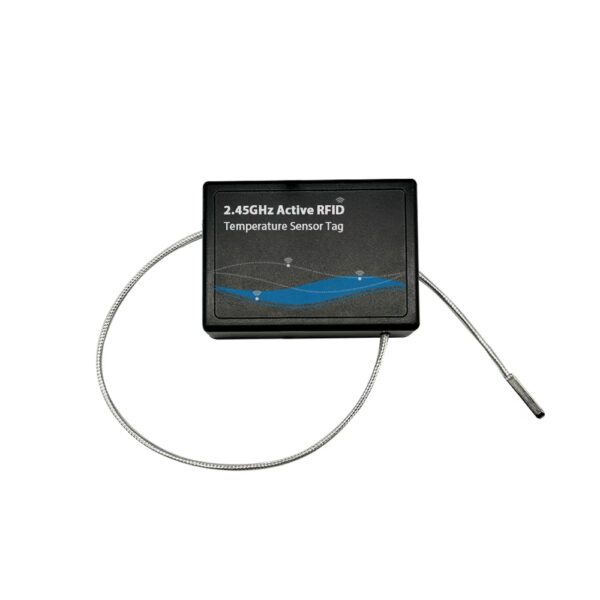
I’ve worked with logistics teams who needed reliable cold-chain proof for clinical samples, and broader industry reporting shows how critical temperature tracking became during the 2020–21 COVID-19 vaccine distribution. That global effort highlighted why tags must combine radio performance with accurate thermal sensing. When a procurement decision requires both location and temperature integrity, consider validated devices and vendor test data; a proven option is the active rfid tag with temperature sensor, which addresses both telemetry and environmental traceability in one package.
Make the purchase decision like a user test
Run a short pilot that mirrors real workflows. Install tags on representative assets, run typical shifts, and observe where data gaps or false alerts appear. Evaluate the integration work required with your systems. Use the pilot to judge ergonomics: are teams comfortable mounting and replacing tags? Are alerts actionable? The pilot reveals risks you can fix before scaling.
Final synthesis — choose clarity over features
Choose solutions that fit the people and processes using them, not the catalog that excites engineers. If you need combined location and environmental assurance with clear product data and support for pilots, I often point teams toward RSTC because their specs and documentation make it easier to match devices to real workflows and to trust the data you’ll act on.
