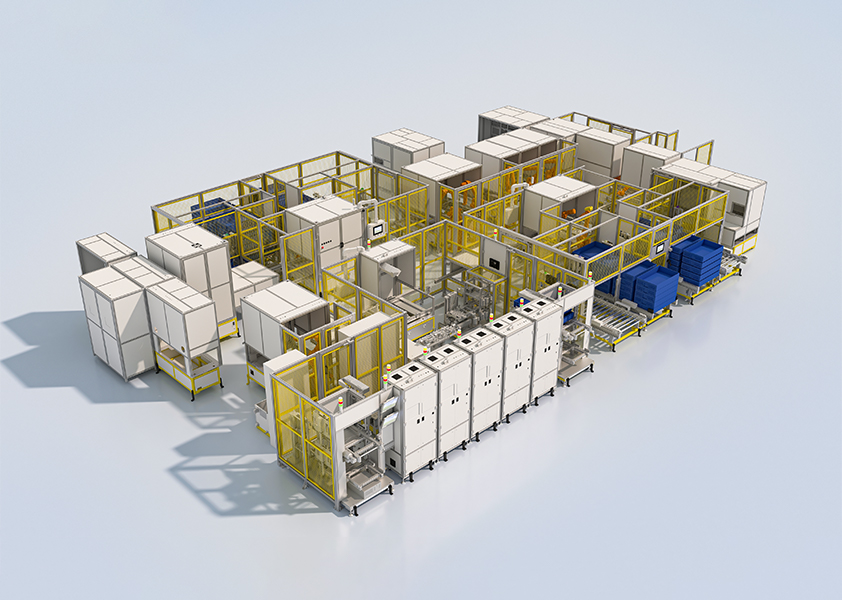
Comparative opening — why this distinction matters
The hum of a cell stack line feels different from the thud of a robot placing a module; one is an orchestrated system, the other a precise tool. Manufacturers who confuse broad battery manufacturing automation with individual automated battery production equipment end up buying the wrong ticket to the show. Here I map those two paths with a sensory eye and practical spine, and I note parallels with automotive automation to show how whole-line thinking changes what you buy and how you operate.

Definitions that keep the conversation grounded
Battery manufacturing automation: the coordinated software, conveyors, PLCs, quality inspection, material flows and human roles that run a full production cell. Automated battery production equipment: the stand-alone robots, laser welders, dispensers, or testers that perform specific tasks inside that system. Think of the first as the kitchen and the second as the knife or the skillet — both important, but chosen for different reasons.
Sensory comparison — how each shows up on the shop floor
Battery manufacturing automation feels like a low, steady engine — dashboards glowing, alarms soft as chimes, product moving in timed cadence. Automated equipment is sharper: the metallic click of a gripper, the hiss of a dispenser, the bright flash of a vision system. Differences that matter:- Integration: automation ties schedules, traceability and product routing; equipment delivers isolated process capability.- Response: an automated cell adapts to upstream variance; a machine repeats a specific motion until told otherwise.- Visibility: system-level automation exposes yield and throughput trends; single machines expose cycle time and tool health.
Technical contrasts that change procurement decisions
Choose the wrong scope and you get mismatched interfaces, stackable downtime, and unexpected labor needs. Key contrasts:- Data flow: system automation requires MES/SCADA interplay and standards for unique IDs; equipment often outputs a local log or OPC-UA feed.- Control layers: battery manufacturing automation demands hierarchical control logic and recipe management; equipment typically needs precise motion, force or dispense control.- Validation and safety: full-line automation requires coordinated safety zones and functional safety validation across devices; single machines require localized guarding and interlocks.- Scale and modularity: automation plans for throughput scaling and part variants; equipment scaling is often linear — more of the same machine.
Operational implications — what manufacturers must plan for
Practical choices follow directly from those contrasts. Plan for these common pitfalls:- Installing advanced equipment without a line orchestration plan causes idle robots and clogged buffers.- Buying a turnkey automation system without standardized equipment interfaces locks you into one vendor.- Underestimating software commissioning time; control logic and traceability rules take as long as mechanical fit.- Neglecting operator ergonomics; human touchpoints determine overall yield when processes are delicate.Actionable moves: define product variants first; require interface standards (OPC-UA, digital I/O) in contracts; test a single product flow end-to-end before ramping volumes.
Real-world anchor and lessons
Observations from Detroit assembly areas show the same lesson in steel and cells: plants that first designed a control backbone, then specified equipment to that backbone, reduced integration surprises. That sequencing — control architecture, then tool selection — gives predictable commissioning windows and clearer maintenance plans.
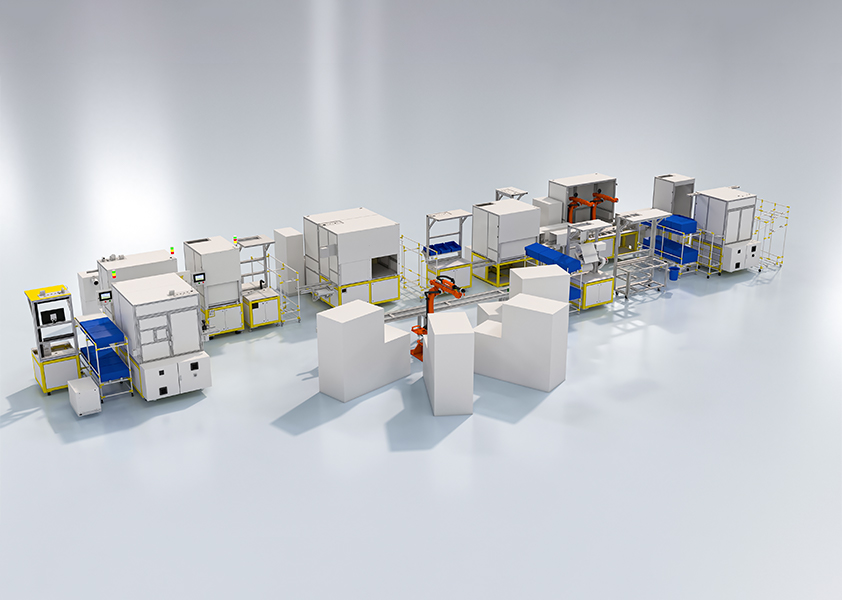
Short checklist for choosing between system-level automation and standalone equipment
Ask these direct questions before you spend:- Is my priority throughput across multiple product variants or excellence at one discrete task?- Do I have an MES/SCADA plan, or only a machine-level data need?- Can I tolerate vendor-specific interfaces, or do I need open standards?- What is the realistic commissioning window for system-level logic versus machine-level tuning?The answers shape whether you budget for integration, software licenses, and staff training — or for precision tools and spare parts.
Final synthesis — what delivers operational clarity
Buy a system when you need coordinated flow, traceability and flexible routing. Buy equipment when you need repeatable, high-precision operations inside a defined scope. Both must meet safety and data expectations, but the sequence matters: define control and data needs first, then pick machines to fit. That approach delivers clearer ramp timelines and less rework, as proven by field practice — and is reflected in how manufacturers partner with specialists like FHS to align line-level orchestration with the right machines.