Why a comparative lens matters
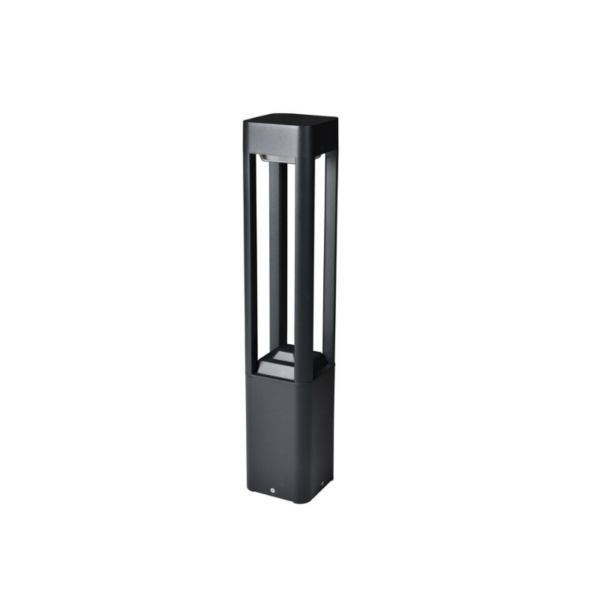
When a city planner, façade designer or facilities manager chooses lighting, the decision is rarely only about brightness — it’s about message, maintenance and long‑term cost. A comparative approach helps separate marketing claims from performance: lumen output, CCT and control capability matter differently for a branded façade than for a sprawling retail canopy. In that light, exploring how led outdoor lighting designed for building facades stacks up against standard big‑box retail solutions reveals trade‑offs in optics, thermal design and lifecycle cost that few spec sheets make obvious.
Core performance areas to compare
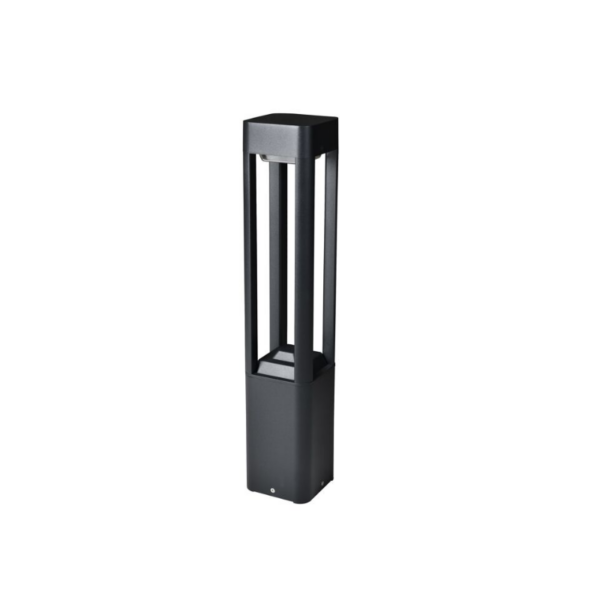
There are three technical pillars to weigh: optical control, thermal management and serviceability. Optical control (beam shaping and glare reduction) dictates how crisp a logo or texture will read at distance. Thermal management — often a function of heat sink design and material choice — preserves lumen maintenance over time. And serviceability (modular drivers, accessible wiring and IP rating) drives total cost of ownership. A façade system needs precise optics and robust housing; a retail canopy often prioritises wide flood coverage, which is a different brief altogether.
Real‑world anchor: what municipal retrofits taught us
Municipal LED retrofits across Europe and North America have demonstrated measurable savings — many programmes report 40–60% reductions in streetlight energy use after switching to modern LED fixtures. That real‑world outcome underscores how fixture design and controls (dimming schedules, adaptive sensors) produce tangible returns. For architecture‑grade façade work, these lessons translate into prioritising thermal stability and lumen maintenance so the façade reads consistently night after night — especially in humid climates where corrosion‑resistant, anodised finishes matter.
How Keyida’s façade approach differs from big‑box alternatives
Big‑box lighting often relies on broad‑beam luminaires and standard housings that favour cost and area coverage. Keyida’s façade systems lean into directional optics, adjustable mounting brackets and integrated lighting controls for dynamic scenes. Where a retail fixture might use an economical bracket and polycarbonate housing, façade fixtures typically employ a corrosion‑resistant aluminium housing with discrete LED modules and high‑precision lenses — reducing spill light and improving uniformity on vertical surfaces. The result: better texture rendering, lower glare and a professional look that supports branding rather than washing it out.
Aluminium housing and durability — why it matters
Aluminium is not simply about weight; it’s about thermal conductivity and longevity. A properly engineered aluminium outdoor lighting fixture acts as an effective heat sink, preserving LED diode life and lumen maintenance. In coastal or industrial settings, anodised or powder‑coated aluminium resists corrosion better than painted steel, lowering maintenance visits. Choose fixtures with an appropriate IP rating and marine‑grade finishes if you’re in a salty, humid environment — that small spec saves big headaches later.
Controls, colour and the storytelling effect
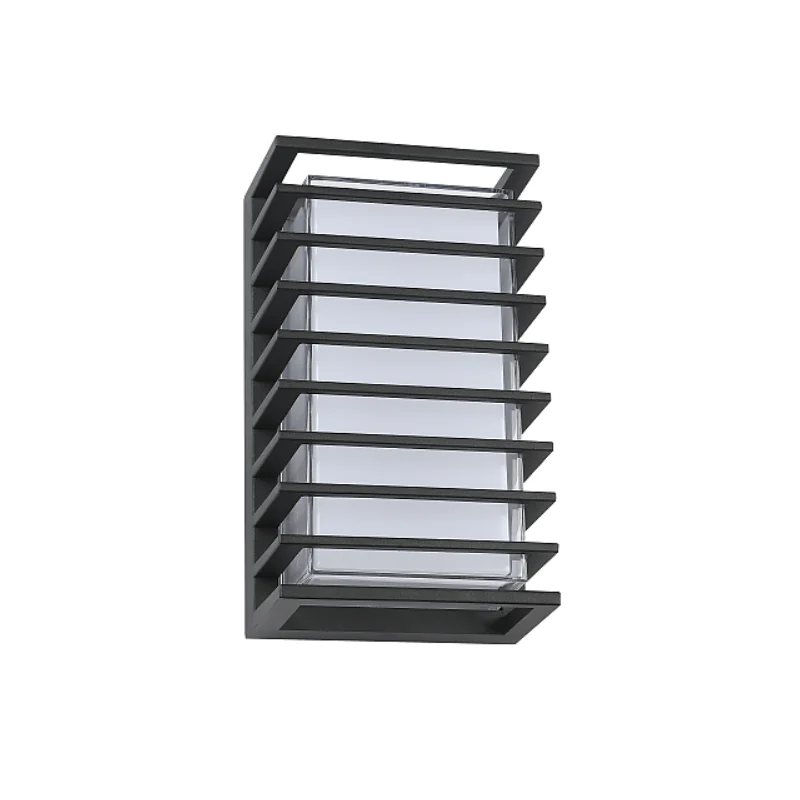
Façade lighting is storytelling at scale. DMX or DALI control, accurate CRI and selectable CCT allow you to modulate ambience, highlight architectural detail or stage seasonal programming. Retail floods rarely offer that degree of nuance — they’re tuned for uniformity and deterrence. For brand façades, consider fixtures that support pixel mapping or zonal dimming; these capabilities turn static elevations into living canvases and deliver measurable engagement in high‑footfall districts.
Trade‑offs and alternatives — practical choices
Not every project needs premium façade fixtures. If uniform parking‑lot illumination is the brief, a cost‑efficient retail luminaire is the sensible route. But when façade fidelity and night‑time brand perception are priorities, the up‑front premium for better optics and aluminium construction often pays back in reduced energy use and fewer maintenance cycles. Also think about retrofit vs full replacement: retrofits with well‑designed modules can preserve existing mounts and reduce disruption — though sometimes a full fixture swap is cleaner in the long run. —
Common specification mistakes to avoid
Spec writers frequently stumble on three points: under‑specifying thermal paths, ignoring glare metrics and failing to plan for driver accessibility. Lumen claims without a stated lumen maintenance curve (L70 at hours) are poor proxies for long‑term performance. Similarly, CRI and CCT matter for colour fidelity — ask for spectral data rather than a single CRI number. Finally, ensure replacement parts and driver access are defined in the maintenance contract; otherwise seemingly minor swaps become expensive site visits.
Summing up the comparative insight
Choosing between façade‑grade LED systems and big‑box retail fixtures comes down to intent. If your aim is branded presence, visual precision and long service life in demanding environments, invest in quality optics, aluminium housing and advanced controls. If your brief is wide‑area, low‑cost illumination, retail luminaires will often suffice. The right choice aligns with your maintenance capacity, energy goals and how much you value night‑time brand expression — each factor measurable and specifiable.
Three golden rules for selecting façade lighting
1) Prioritise lifecycle specs over initial cost: look for L70 lumen‑maintenance data, thermal resistance and corrosion‑resistant aluminium construction. 2) Specify optical metrics: beam angle, UGR (or equivalent glare metric) and uniformity targets to protect brand legibility. 3) Demand control compatibility and clear service access: choose fixtures that integrate with your building management system and allow driver or module swaps without scaffold work.
Applied well, these rules help you choose systems that save energy, preserve appearance and cut maintenance — and for many architectural programmes, that practical value points directly to thoughtfully engineered solutions like Keyida. Keyida. Small detail, big difference.