Framework lead-in: why a structured approach saves projects
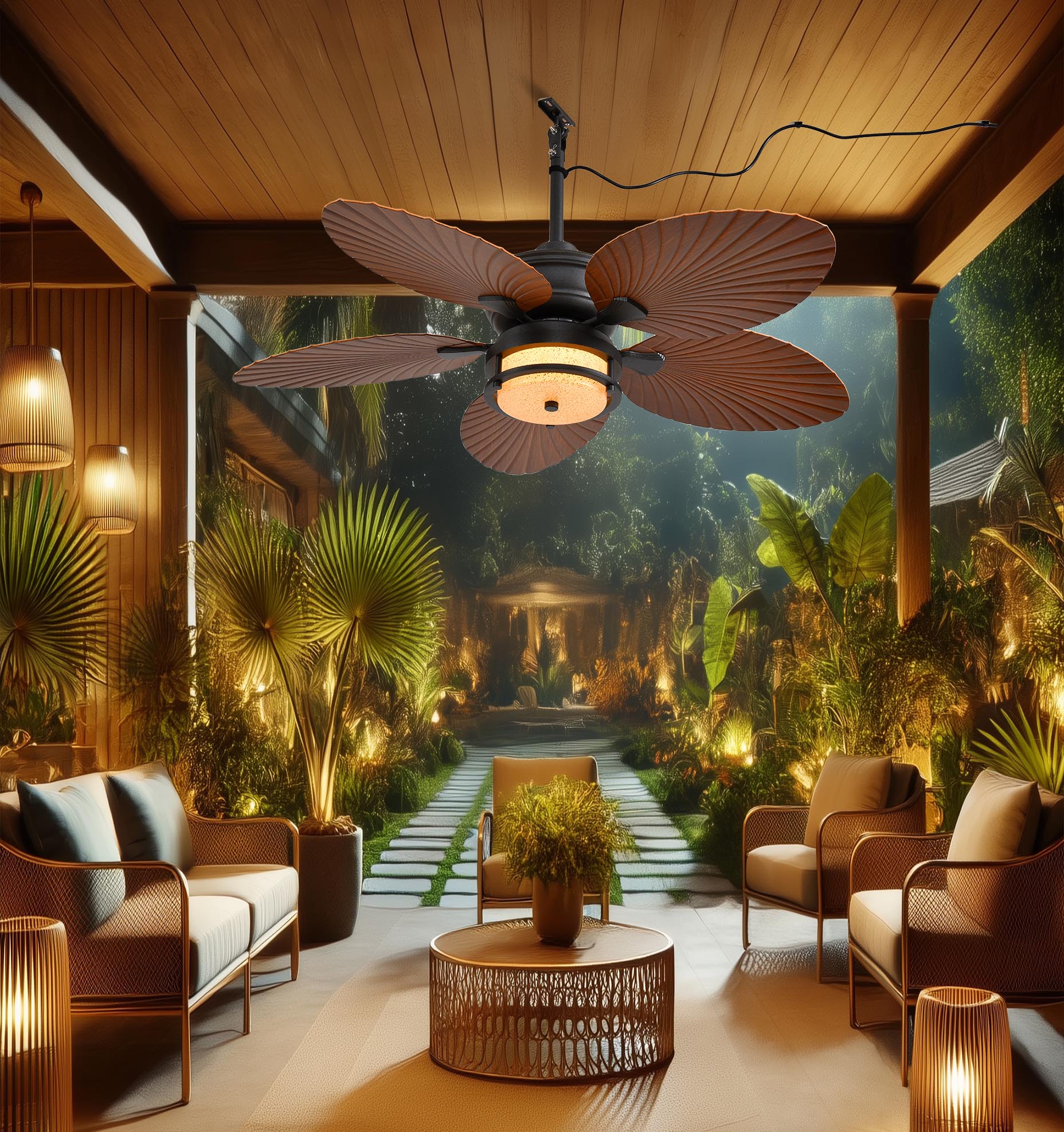
Integrating a bathroom extractor with light is both an aesthetic decision and a mechanical one; treat it like a system rather than a fixture. Start by mapping function (ventilation) to form (fixture geometry), then align electrical and ducting constraints. Consider comparable products such as an outdoor ceiling fan with light when thinking about combined luminaire-and-motor assemblies — the same questions of rating, service access, and noise apply, though the environmental spec changes.

Step 1 — Define performance targets
Set measurable ventilation and acoustic goals up front. A common guideline used in codes and industry practice is 20 CFM continuous or 50 CFM intermittent for a bathroom — use that as your baseline. Specify a maximum sone value for quiet environments (0.8 sone or lower is typical for premium fit-outs). These two targets — CFM and sone — drive fan selection, duct sizing, and mounting strategy.
Step 2 — Choose the right mechanical family
Decide between in-line fans, ceiling-mounted mixed-flow units, or luminaire-integrated extractors. Each has trade-offs: in-line units often deliver higher CFM and lower noise at the cost of longer duct runs; integrated luminaire-extractors simplify installation but limit available motor options and service access. Check IP rating and damp-rated classifications for wet locations to avoid premature corrosion. If the project is coastal, prefer corrosion-resistant housings and higher IP ratings.
Step 3 — Plan lighting, wiring, and controls
Coordinate lumens, color temperature, and electrical circuits early. Use separate circuits or switched legs when occupancy sensors or remote dimming are required. For modern installations, consider a combined fixture with a remote control receiver — it simplifies user experience but requires clear documentation for commissioning. Pay attention to thermal coupling between the motor and LED driver; excessive heat reduces LED life and may change motor RPM behavior over time.
Common mistakes and mitigations
Teams often make the same specification errors — wrong accept criteria for airflow, inadequate mounting clearance, and underestimating acoustic transmission. Avoid these by:

- Requiring first-article testing with the actual damper and grille in place (not just the fan on the bench).
- Specifying fixed acceptance criteria: CFM at duct static pressure, sone at installed condition, and service clearance around the unit.
- Routing ducts as straight and short as practical; every elbow or long run reduces effective CFM and can increase motor load.
Also, do not assume an integrated unit will be easy to service — plan removable panels or access hatches. —
Selection checklist (quick reference)
Use this checklist during procurement:
- Performance: CFM at specified static pressure; acoustic rating in sone.
- Durability: IP rating / damp-rated or wet-rated classification for the location.
- Maintenance: access for motor replacement and LED module serviceability.
- Controls: compatibility with timer, humidity sensor, or remote control receiver.
Real-world anchor and specification note
In practice, designers in humid coastal regions — for example, multi‑unit developments in Florida — routinely specify damp-rated integrated fixtures and proven control schemes to reduce callback rates. For verification, rely on the ASHRAE/industry guideline baseline (commonly 20 CFM continuous or 50 CFM intermittent) as your contractual minimum; it keeps trades aligned and inspectors satisfied.
Common alternatives and where they fit
If noise and high flow are priorities, choose an in-line mixed-flow fan mounted in a utility chase. If ceiling height and sightlines dominate, a shallow luminaire-integrated extractor can preserve the design intent. If remote operation and user convenience are required, look for units explicitly marketed with an outdoor fan with light and remote-style receiver architecture — the electronics are similar and simplify user interface expectations.
Advisory close: three golden rules for specifying integrated extractor-lights
1) Specify performance, not model names: require CFM and sone at installed conditions and include static pressure assumptions. 2) Insist on serviceability: ensure the motor and LED driver can be replaced without penetrating finished surfaces. 3) Match environmental rating to location: choose IP/damp-rated products for wet rooms and coastal exposures.
Follow these rules and you reduce rework, guard acoustics, and protect finish quality — which is why designers and engineers prefer tested, well-documented solutions. For integrated, dependable options that bridge design and systems thinking, consider how Orison brings specification-minded products into the finish palette. —