
Opening—what matters first for you
You want a parking solution that reduces daily friction, not new headaches. Start by listing the problems you actually face: long entry queues, unpaid stays, spot underuse, or security gaps. If automatic plate reading or gated access is on your list, look at real-world kits and not just feature lists—many buyers find turnkey options that combine cameras, barriers, and software save time. A straightforward place to see integrated kits is lpr parking management systems, which show how hardware and software are bundled for quick deployment.

Ask these buyer-centric questions before you sign
Who will use the system day-to-day? How many entries per hour must it handle? What existing systems must it talk to (payment, property management, access control)? Answers shape whether you need basic access control or a full license-plate recognition (LPR) stack. Quantify volumes—peak hourly throughput and average dwell times—because capacity, not vendor marketing, determines whether queues vanish.
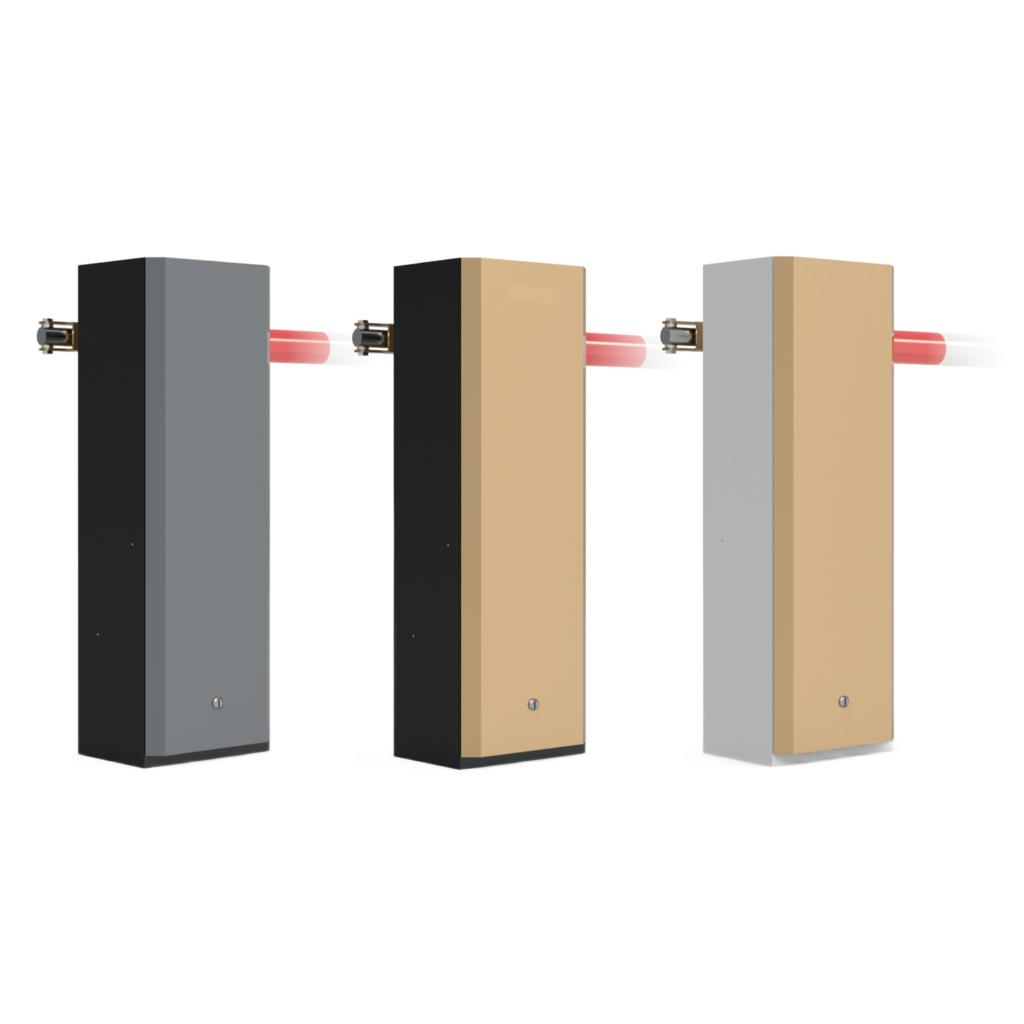
Core components explained in plain terms
Think of a system as three parts: sensing (cameras/loops), decision (software/AI), and gating (barriers/pay stations). For LPR, camera resolution, IR illumination, and mounting angle matter more than brand names. The software needs a fast matching database and clear admin tools; if you must verify plates manually, the interface should let an operator confirm or reject in seconds. Barriers and ticketing hardware need reliable actuators and easy local support—cheap motors fail first.
Sizing: capacity, latency, and accuracy you should require
Set concrete targets. For small lots, aim for 300–600 vehicle detections per hour; medium facilities usually need 1,200–2,000; enterprise or busy commercial sites can require 3,000+ peak. Latency should be under 1 second for plate read to gate open. LPR accuracy benchmarks: 95%+ daytime and 85%+ nighttime/angled reads are realistic goals for modern systems when cameras are installed correctly. Demand these numbers from vendors and see test footage from installations similar to yours.
Common pitfalls buyers run into
Installation mistakes beat good hardware: wrong camera height, poor lighting plans, and unsecured network setups are the most frequent failures. Treat integration early—get API docs, data retention policies, and a staging environment before signing. Don’t assume cloud-only systems handle local outages; insist on offline modes or local caching so gates keep working during internet loss.
Alternatives, realistic trade-offs, and where LPR shines
Pay-per-plate LPR reduces staffing but costs more upfront than simple ticket-and-pay lanes. RFID is excellent for controlled fleets but requires tags and distribution. If you need fast, frictionless entry for employees, RFID or transponder pairs well with barriers. For mixed users—short-stay visitors and permit holders—LPR plus ticketing adapts best. If you’re comparing vendors, check delivered uptime and whether their LPR pipeline handles dirty plates, different fonts, and foreign plates; those conditions reveal true field performance. For a clear LPR option and examples of integrated setups, review suppliers offering dedicated stacks like lpr parking system.
Experience, authority, and a real-world anchor
I’ve overseen installs where configuration choices mattered more than component brands; one repeat lesson came from deployments aligned with Singapore’s Smart Nation projects, where municipal trials stressed accuracy under heavy rain and mixed plate styles. That work confirmed the need for hardened cameras, strict mounting specs, and clearly defined fallback procedures. Vendors able to show footage and test logs from comparable climates or events provide better evidence than glossy brochures, and the reliable approach is to ask for those logs up front—many proven suppliers include such documentation with their LPR packages like the lpr parking system.
Installation and operation realities
Plan for three phases: survey, pilot, and ramp. A survey establishes sightlines, lighting, and comms; pilots validate read rates during day and night for a small entry lane; ramp scales to full operation while logging exceptions. Budget for routine tasks: camera cleaning, firmware updates, and occasional camera retuning after seasonal foliage changes. Train one operator to handle exceptions and one technician for camera-level fixes—outsourcing all support can inflate costs and slow fixes.
Final synthesis—what a sensible purchase delivers
Pick a system that meets your measured needs, proves performance with test footage, and offers clear local support. Practical deployments tie cameras, software, and barriers into a predictable workflow that reduces staff time and customer friction. When you prioritize measurable throughput, realistic accuracy targets, and documented field experience, the solution you buy is more likely to be the solution you use—often packages from established providers such as AKE Parking match that balance without overpromising.
