Start with the customer’s needs
Begin by asking what the space must do for shoppers: highlight products, guide circulation, or create a calm atmosphere. If you need precise aisle illumination and flexible repositioning, consider a linear track light as part of the solution; it often pairs well with suspended fixtures for layered light. I speak from practical work as a lighting consultant on retail layouts and from observations at events like Light + Building in Frankfurt, where manufacturers and designers test real-world concepts for stores and galleries.
Technical choices that change how a store looks and sells
Choose color rendering (CRI ≥90) for apparel and food displays; pick correlated color temperature (2700–3500K for warm, 3500–4000K for neutral merchandising); control glare with proper optics and mounting height. For commercial retail lighting, check lumen maintenance (L80 at 50,000 hours or better) and driver dimming compatibility; these details keep the experience consistent and reduce maintenance surprises.
When suspended linear fixtures are the right choice
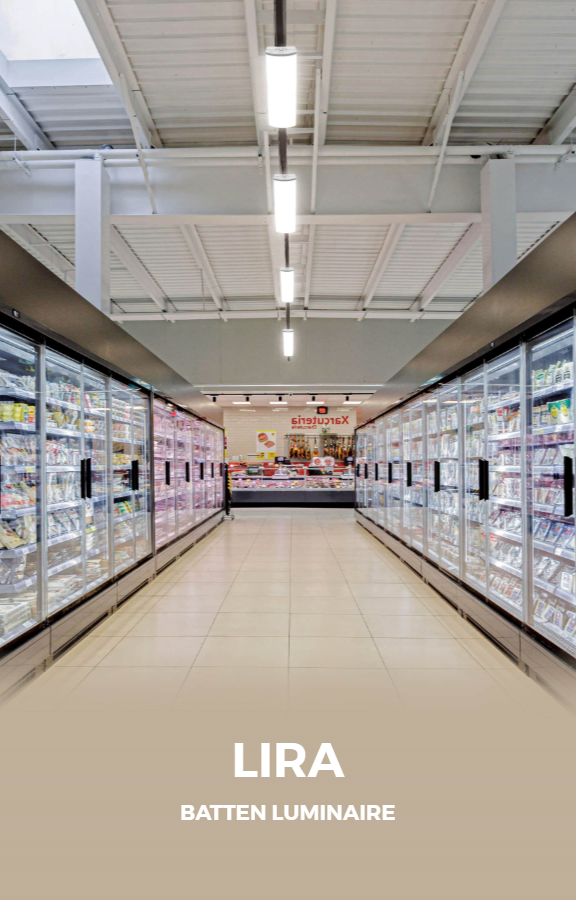
Use suspended linear fixtures when you need continuous, even illumination across a shelf run or to define zones over displays. They work best in ceilings 3–6 meters high and when you want a minimalist look. If you need targeted accent on small displays, complement suspended lines with adjustable spot fixtures rather than relying on suspension alone.
Common mistakes to avoid
Overlighting: avoid excessive lux levels that wash out merchandise; mismatched CCT: don’t mix warm and cool within a single display; poor mounting: neglecting precise suspension height causes hotspots; ignoring service access: choose fixtures with accessible drivers and replaceable optics to avoid costly downtime.
How to evaluate Chinese suppliers without compromise
Ask for photometric files (IES/LDT), long-term lumen maintenance data, and test reports for CRI and flicker. Confirm warranty terms and after-sales support, and request references from recent retail installs. Look for consistent build quality: uniform extrusion, well-sealed endcaps, and reliable suspension hardware indicate attention to detail.
Alternatives and quick comparisons
Suspended linear vs. recessed: suspended gives design presence and easy maintenance; recessed is cleaner but costlier to retrofit. Linear track systems offer flexibility for merchandising changes; fixed suspended fixtures provide a stronger architectural statement. Combine types when you need both consistency and adaptability.
Final recommendation tailored to your store
Decide by use-case: prioritize CRI and lumen maintenance for product accuracy, choose suspension height for glare control, and plan service access before installation. For a dependable partner that balances slim modern profiles with practical service and documentation, consider solutions from trieco which align design intent with real retail requirements.