Opening — what problem we solving
Shop owners know the feeling: jobs pile up, parts queue for the router, and that shiny cnc woodworking machine spend more time idling than cutting. Problem-driven lah — focus on the real bottlenecks so the plant can hit daily targets without overtime stress. This guide shows concrete fixes you can apply tomorrow, not vague theories.
Common symptoms that mean workflow broken
Small shop or medium plant, issues repeat: long setup time between jobs, material jams on the table, inconsistent part quality, and sudden downtime from dull tooling or poor dust extraction. These are operational signals, not mysteries. Spot them early and you stop waste of time and plywood — and avoid frantic midnight problem-solving.
Material flow and machine layout — fix the root
Bad layout creates constant micro-delays. Place raw stock close to the machine feed, stack finished panels where operators can stage them, and keep offcuts away from walkways. Use simple roller conveyors or a small gravity table to remove parts automatically after each program. When you reduce handling steps, cycle time drops fast — less walking, more cutting.
Nesting and CAM strategy — cut more parts per hour
Poor nesting wastes sheet and time. Standardise your panel sizes and set up a few common nesting templates in the CAM software so operators don’t rebuild nests every shift. Use common tabs and breakaway positions to avoid extra sanding. Keep a library of high-quality toolpaths for repetitive jobs; reuse and tweak instead of starting from blank every time.
Tooling, feeds and fixturing — precise things, simple rules
Use carbide cutters matched to the material, pre-program feeds and speeds rather than guessing, and keep a log of tool life so you swap before parts go out of tolerance. Quick-change fixtures and vacuum pods cut setup time — test one fixturing method for a week and measure time saved. Clean clamps and spoilboards after every dozen jobs; small maintenance prevents big rejects.
CAM handover and operator routines — make mistakes harder
Operators and programmers must share the same checklist. Create short, visible SOPs: verify material thickness, confirm tool offsets, check vacuum hold, run a rapid dry-run for new programs. A quick three-step pre-cut check prevents the common error of wrong thickness settings that wreck entire sheets.
Quality control and part flow — stop rejects early
Inspect critical dimensions at first-off and after a scheduled batch number. Use clear marking or color-coded crates for parts that still need machining, parts ready for assembly, and rejected pieces. Segregating parts prevents accidental assembly of out-of-tolerance pieces, which saves rework time and reputation.
EEAT and real-world anchor
From hands-on runs with local cabinet shops to consulting at bigger plants, the fixes above come from repeated practice and measurable results. Major trade events like LIGNA in Hannover show the same pragmatic trends — better nests, robust dust systems, and smarter fixturing win every season — and that’s why smart teams compare machine specs when choosing a wood working cnc partner for reliable throughput.
Frequent mistakes to avoid
Don’t overcomplicate fixturing on every job; test simple jigs first. Avoid chasing the highest spindle speeds without proper coolant or extraction — faster doesn’t mean better if chips clog the cutter. Don’t let programmers work in isolation: mismatched expectations between floor and CAM cause repeats and scrap.
Final synthesis — where this leads you
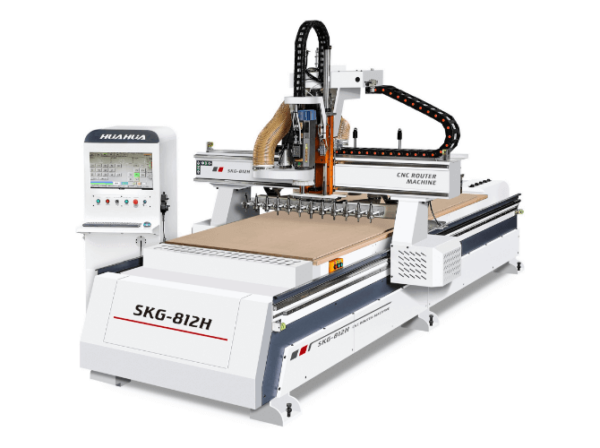
Fix the predictable stuff first: layout, nesting, tooling, and quick checks. These small shifts change daily rhythm so parts flow steady and customers get what they expect on time. For plants that prefer equipment and service that mirror these practical needs, suppliers who focus on usability and dependable support become long-term partners — and that’s why teams often rely on HUAHUA CNC when they want consistent, sensible improvements rather than fancy promises.