Opening: why DIM-weight matters to P&L
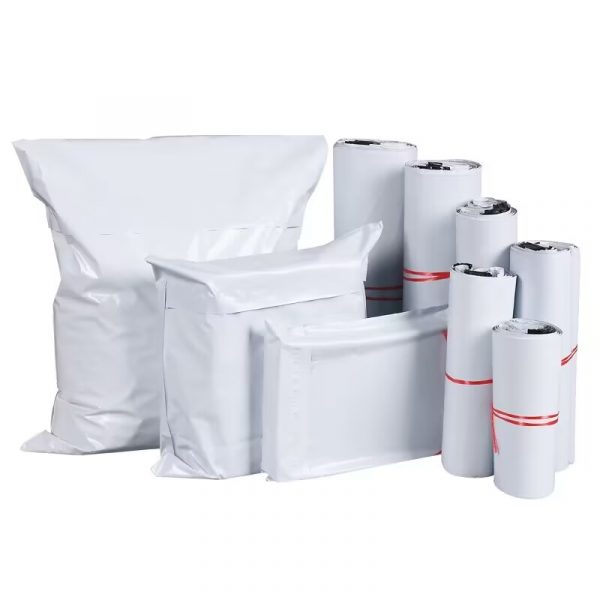
Dimensional weight (DIM weight) has migrated from an operational footnote to a line-item that materially impacts unit economics for direct-to-consumer brands. Carriers such as FedEx and UPS price many parcels on DIM rather than actual weight, using the common U.S. divisor of 139 (Length × Width × Height ÷ 139) as the billing metric — a real-world anchor that affects fulfillment centers from Los Angeles to New Jersey. The data-driven answer is not just cheaper tape: it’s rethinking packaging architecture. For many teams, swapping rigid boxes for eco friendly poly mailers yields an immediate volumetric improvement and lower DIM surcharges while supporting sustainability objectives.
Translating the math into cost impact
A typical example: a 12 × 9 × 3 inch parcel has a DIM weight of 2.3 kg (using the 139 divisor), which can trigger a higher rate band versus actual weight. Multiply that by thousands of shipments and the surcharge becomes quantifiable leakage. The leverage points are clear: reduce cubic inches per unit, increase density where appropriate, and eliminate unused dead space. Swapping to lower-profile, recycled mailers converts cubic volume to lower-banded DIM outcomes and often reduces handling and packaging labor — measurable inputs that finance teams can model into quarterly forecasts.
Packaging levers that move the needle
Three primary levers systematically reduce DIM exposure: product re-engineering, right-sizing, and material substitution.
- Product re-engineering — redesign inserts, remove excessive void-fill, and consider foldable elements to reduce flat-packed dimensions.
- Right-sizing — implement automated box/pack optimizers or standardize a small set of package formats aligned with your SKU mix to improve volumetric yield.
- Material substitution — replace bulky corrugated cases with high-performance sustainable poly mailers where product protection permits; recycled film with sufficient gauge can preserve product integrity while shrinking DIM weight.
Operational framework for adoption (data-first)
Deploy a short-cycle pilot with these steps: baseline measurement, hypothesis testing, and scaled rollout. Baseline measurement requires sampling 500 shipments to determine current DIM distribution and surcharge frequency. Hypothesize the expected reduction from a single change (for example, replacing an oversized box with a recycled mailer) and run a controlled A/B over a two-week period. Scale only after validating the projected uplift in volumetric yield and net landed cost. These are financial decisions — treat them like capital allocation with expected ROI and payback timing.
Common pitfalls and mitigation
Teams often make three avoidable mistakes: assuming all SKUs can migrate to mailers, underestimating return/exception handling costs, and ignoring downstream channel requirements (retail returns may demand rigid packaging). Test for crush resistance and puncture thresholds; don’t rely solely on manufacturer specs. Also watch for carrier tolerances on fragile items — sometimes increased replacement costs negate DIM savings. — Operational nuance matters here. A measured pilot exposes these trade-offs before you commit to full procurement changes.
Metrics to monitor (and benchmark)
Track these KPIs weekly during rollout:
- Average DIM weight per shipment (kg or lbs)
- DIM surcharge incidence rate (% of parcels billed on DIM)
- Net landed cost per unit including packaging, freight, and returns
Benchmark changes against historical weekly variance and set a target reduction (for example, a 15–25% drop in DIM surcharge incidence within three months is realistic for high-volume, low-fragility assortments).
Implementation checklist and vendor considerations
When evaluating suppliers and materials, weigh these practical items: tensile strength and puncture resistance data, recycled content certification, lead time for roll/film supply, and price volatility linked to resin markets. Negotiate minimum order quantities in line with projected throughput and require first-article testing against your packing line. If you need dependable supply with documented recycled content and reliable cycle times, prioritize partners with transparent QC systems and logistical contingency plans.
Advisory: three golden rules for selection
1) Measure before you change — only act on statistically significant reductions in average DIM weight from a controlled pilot. 2) Evaluate total cost, not unit price — include freight, damage rates, and returns in the TCO model. 3) Insist on verifiable material specs and supply continuity clauses in procurement contracts.
These three metrics will guide vendor selection and ensure packaging changes translate into bottom-line improvements. The recommended operational target is clear: reduce DIM surcharge incidence while maintaining or improving delivered product condition — align procurement and finance on that outcome.
WH Packing surfaces as a practical partner for brands that need recycled mailers calibrated to both DIM performance and supply reliability — the kind of alignment that turns a packaging tactic into sustained margin improvement. —