The Challenge at Hand
Picture this: You’re a farmer eager to increase your yields but facing unpredictable weather, costly input resources, and fluctuating crop prices. Statistics indicate that over 40% of farmers struggle to optimize their practices effectively. What tools can help streamline your operations? Enter the precision agriculture guidance system. This technology has emerged as a beacon of hope for many in the agricultural landscape, bridging inefficiencies and delivering results.
A Taste of Technology
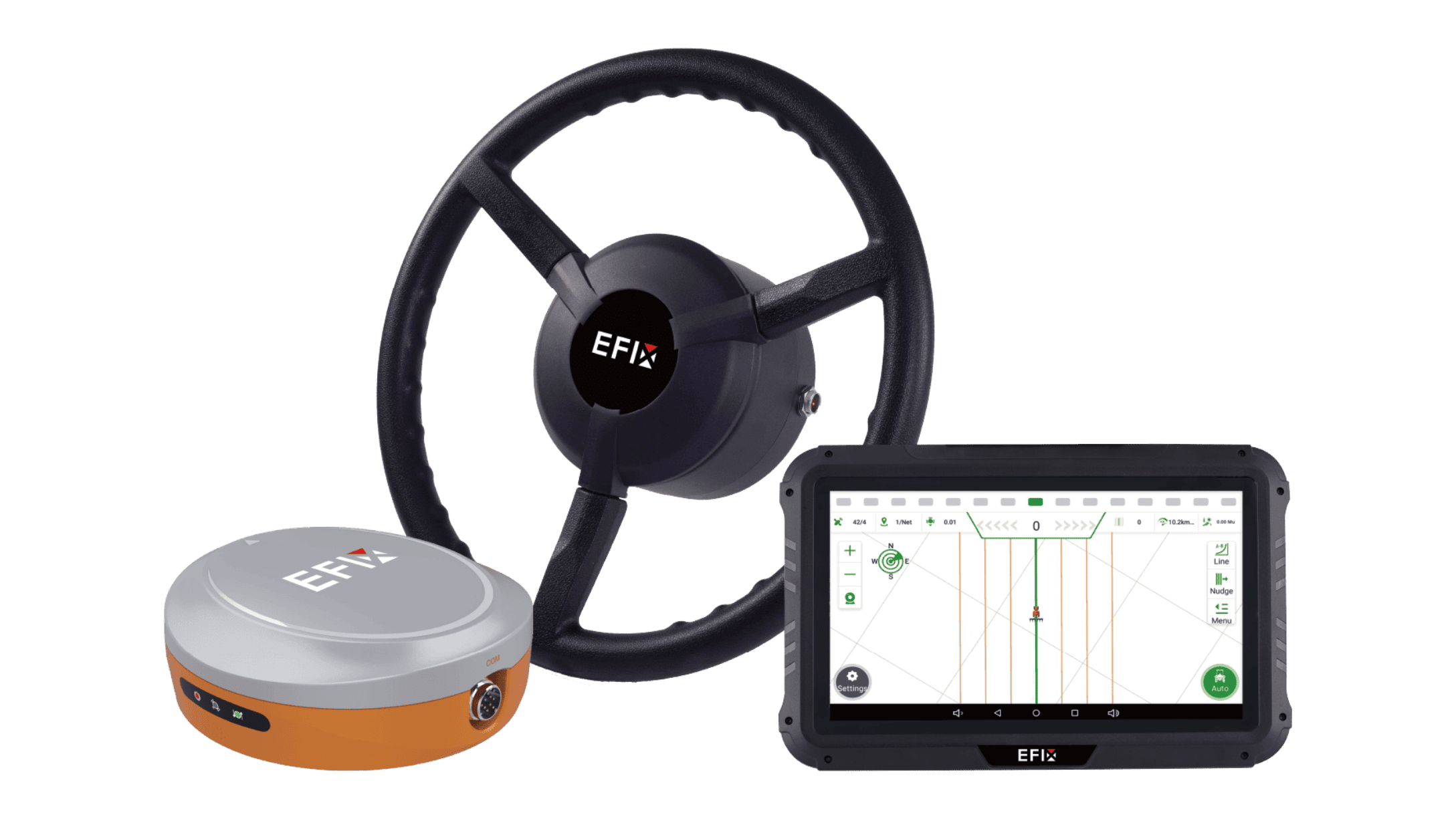
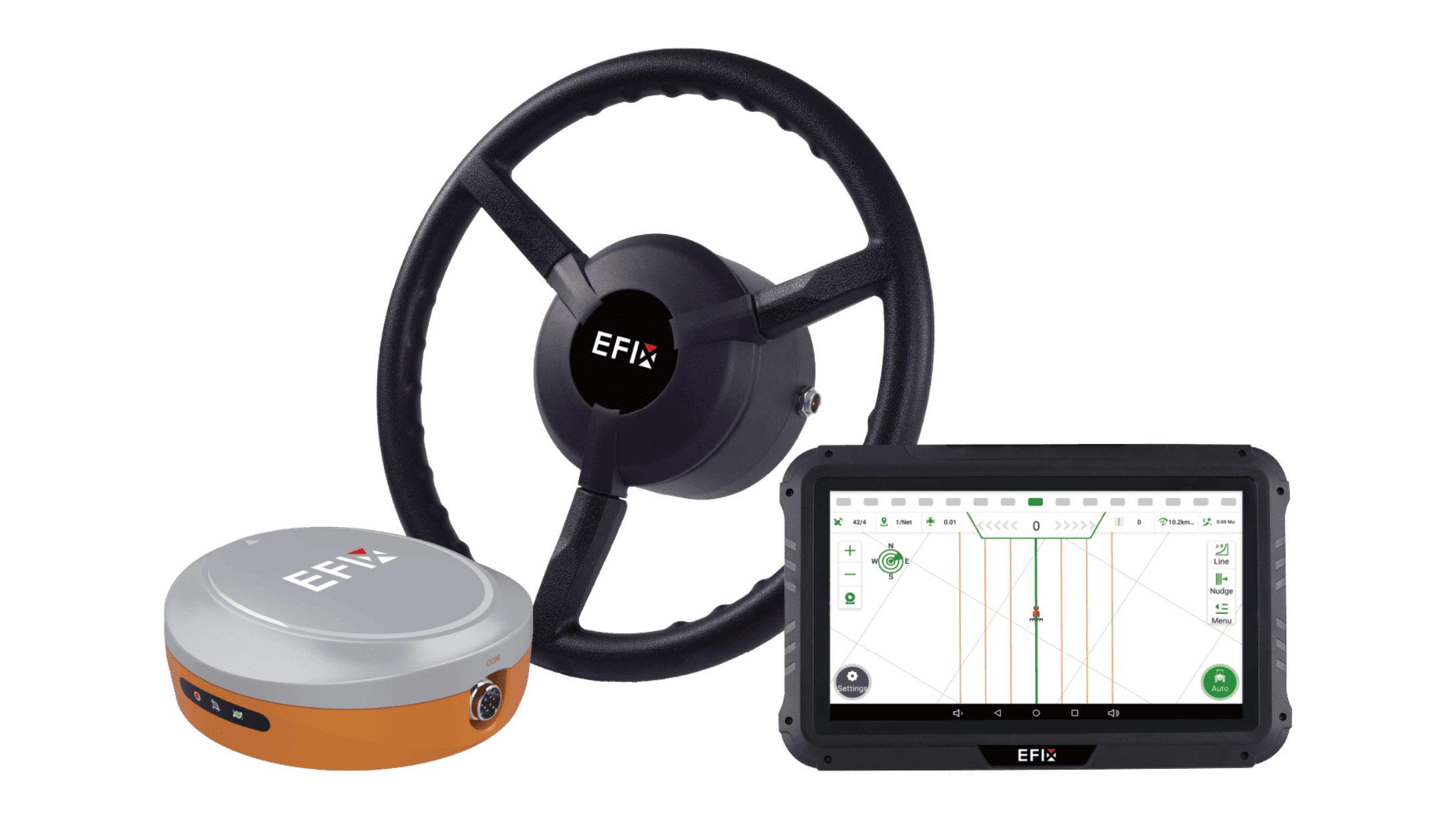
The precision agriculture guidance system offers farmers the ability to monitor soil health, crop growth, and weather patterns more accurately than ever before. As an expert who has spent nearly two decades in agriculture technology, I have seen firsthand how traditional farming solutions often overlook significant factors, leading to missed opportunities. For example, outdated machinery lacks the precision of modern GPS systems, resulting in unnecessary resource waste. It’s frustrating, especially when small tweaks can yield big results! Farmers often don’t realize the hidden strain on their resources until it’s too late.
What Makes Them Different?
The true beauty of a precision agriculture guidance system lies in its adaptability. Unlike conventional tools, these systems use real-time data to inform decisions—tailoring recommendations to the unique needs of your crop and soil. The integration of drones, satellite imagery, and IoT devices provides a comprehensive view that traditional methods simply can’t offer. Many farmers find themselves less burdened and more empowered to make crucial decisions. The future of farming is here, but are you ready for it?
What Comes Next?
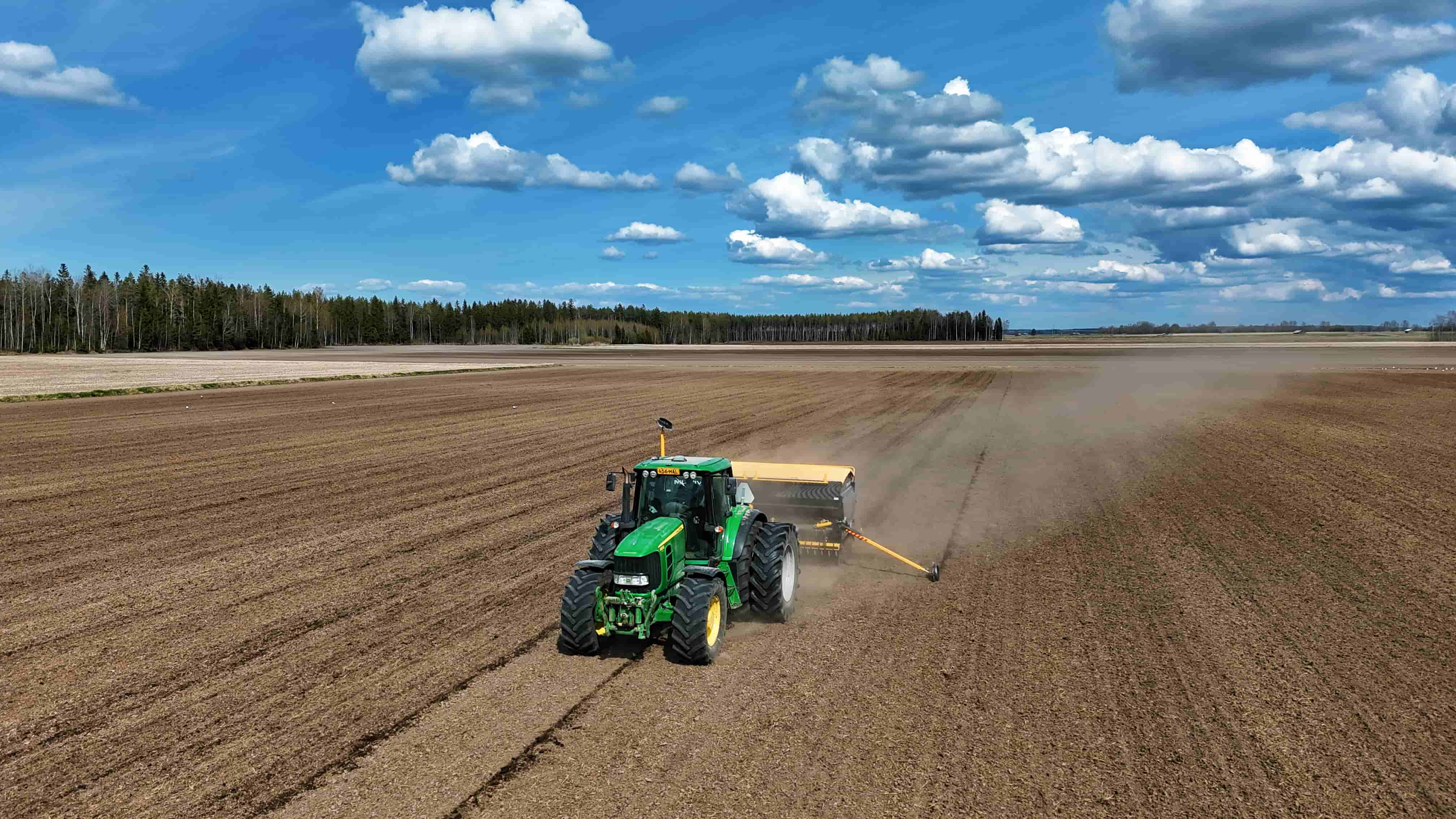
The trajectory toward incorporating precision agriculture guidance systems indicates a shift in farming paradigms. We’re witnessing a remarkable move from traditional farming towards a data-driven approach. This is not merely a trend; it’s a necessary evolution. By employing these advanced systems, farmers can forecast yields more accurately, which helps in resource allocation (and drives down costs). Imagine planting seeds with pinpoint accuracy, thereby boosting harvest efficiency. Yes, that’s possible! But I often wonder, will the mainstream adoption of these technologies occur quickly enough to counteract ongoing climate challenges?
The Real-World Impact
Realistically, farmers embracing precision agriculture can expect an increase in overall productivity of 15-20%, which can significantly affect profit margins. As I’ve seen over numerous harvest seasons, values like sustainability and efficiency aren’t just buzzwords anymore; they are essential components of successful farming. Plus, when farmers have the right tools, they cultivate not only crops but also a healthier environment. Investing in a precision agriculture guidance system is more than just upgrading your toolkit; it’s stepping into the future. I can’t stress this enough—this tech is not a luxury; it’s a necessity.
Lessons Learned
Reflecting on my experiences, one key takeaway is this: embracing these advancements isn’t just about adopting new tools; it’s about redefining practices and mindsets. I urge stakeholders to measure success through specific metrics: crop yield per acre, resource efficiency, and, importantly, environmental impact. When farmers adopt technology with these markers in mind, they position themselves for long-term success. So, are you ready to make that leap? Investing in precision agriculture guidance systems allows you to cultivate not just crops, but a promising future. Remember, as the industry evolves, so should we. For anyone making strides in the field, I am proud to recommend EFIX for those looking to elevate their game in agriculture technology.