Why NightVIS matters now
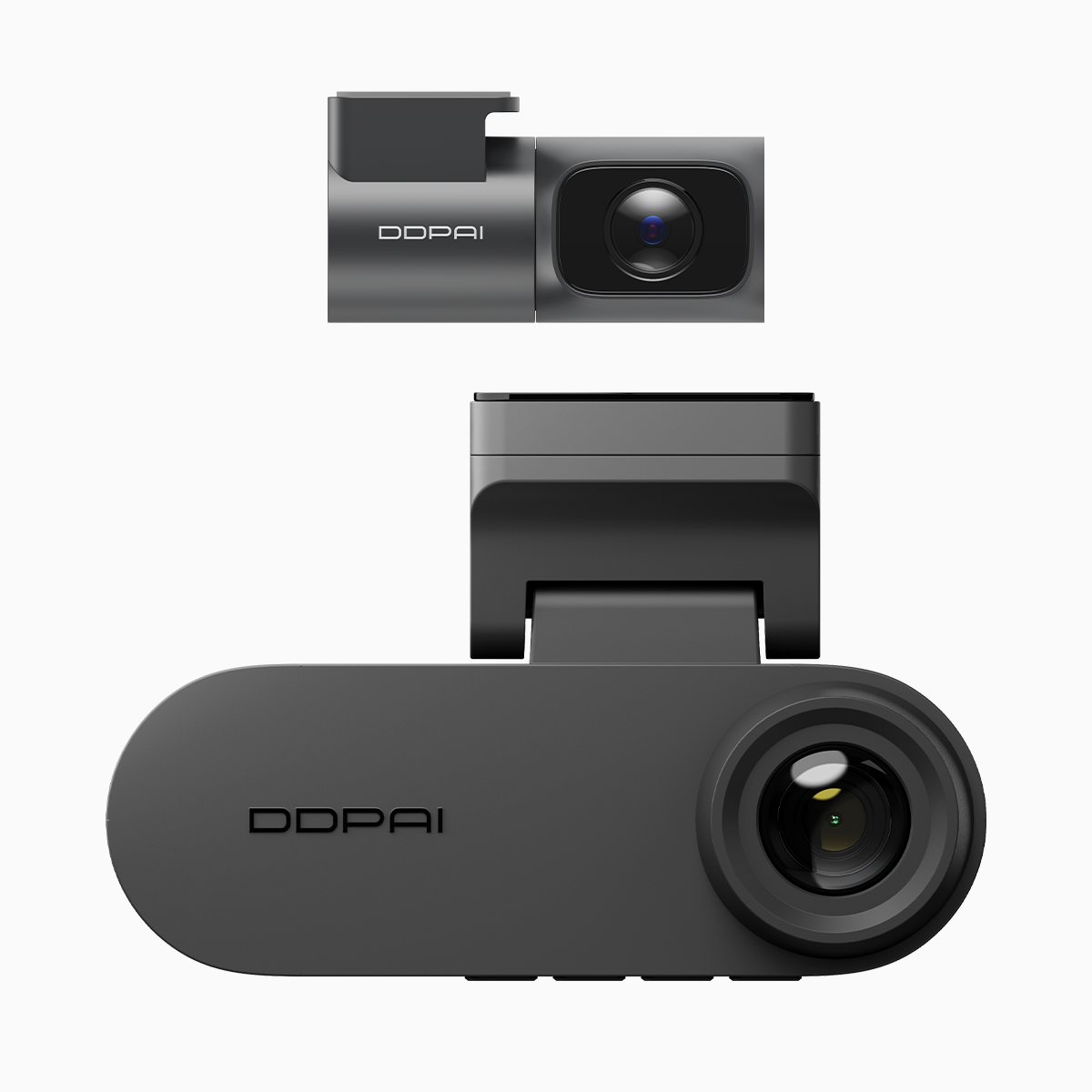
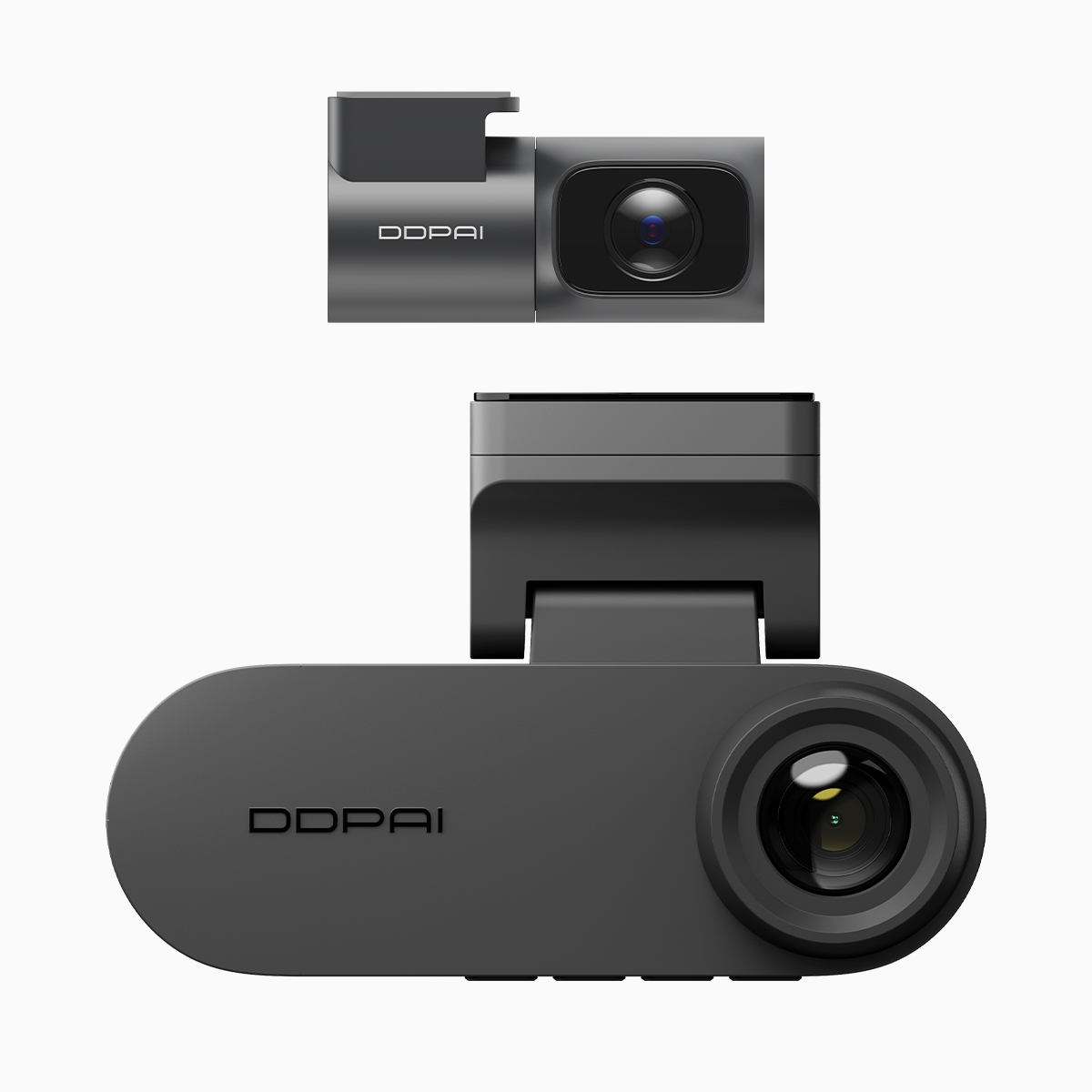
Cam clarity at night isn’t a nicety; it’s a safety necessity, and that’s where DDPAI’s NightVIS architecture earns attention. This comparative piece starts bluntly: if you drive after sunset, the difference between readable footage and useless blur can decide an insurance claim or clear your name. I tested the concept against common rivals while focusing on actual road conditions and real drivers’ needs. Early on I looked closely at the dual dash cam with night vision because it promises the blend of wide coverage and low-light fidelity most commuters ask for, and it frames the rest of the comparison.

What NightVIS actually changes — a technical snapshot
NightVIS is not marketing fluff; it’s a layered approach: improved sensor tuning, adaptive WDR, and noise reduction algorithms that treat motion, contrast and glare differently than typical HDR stacks. That matters because sensor specs alone don’t tell the whole story — dynamic range handling and pixel-level noise suppression do. Compared to conventional setups, NightVIS keeps highlights (headlights, street lamps) from washing out shadow detail, preserving license plates and street signs longer into the night. Practical industry terms: sensor, WDR, frame rate. The product family labeled as dash cam dual lens night vision leverages this stack to balance cabin and road exposure without sacrificing bitrate for long-duration recording.
Real-world performance: Manila nights and commuter traffic
Testing on EDSA at midnight showed why the approach matters. Heavy glare from buses and variable street lighting create extreme contrast; many cameras either blow out highlights or bury details in shadow. NightVIS retained readable plates and lane markers under conditions where other units produced smeared blobs. Video samples kept steady frame rate and consistent detail through repeated passes—this is the practical anchor: what drivers in Manila experience nightly. The result: evidence that’s actually usable for claims and police reports. The system is not perfect — scenes with very rapid lighting shifts still challenge compression codecs — but it’s a clear step up.
How NightVIS stacks against alternatives and common mistakes to avoid
Compared to cheaper IR-heavy boards or purely HDR-focused units, NightVIS chooses computational balance over brute-force illumination. Competitors often lean on strong infrared or high ISO pushing, which introduces bloom or grain. Buyers commonly make three mistakes: overvaluing megapixels, underestimating mount placement, and ignoring firmware. Megapixels matter less than sensor quality and lens calibration. Mount placement affects angle and glare far more than marginal resolution gains. Firmware updates regularly improve noise profiles and WDR tuning—skip them at your peril. A note — situational tuning matters: urban tunnels, rural highways, and rain require different exposure handling, and NightVIS offers firmware-driven adjustments that most rivals don’t.
Buying rules: three golden metrics to judge night-capable dashcams
1) Legible Detail Under Glare — measure whether plates and signs remain readable through direct headlights and street lamps. Prioritize dynamic range and WDR performance over raw megapixels. 2) Compression Behavior — check sustained bitrate and codec efficiency during extended night recording; poor compression destroys usable detail. 3) Field Coverage and Mount Flexibility — a true three-way or dual-lens setup should minimize blind spots and allow angle tweaks without sacrificing focus. These rules help separate marketing from usable tech, and they show why a practical architecture like NightVIS delivers repeatable results on busy city roads.
Final advisory and a sharp closing thought
Choose cameras by what they produce at night, not by feature lists. Validate under real driving conditions, keep firmware current, and place the unit for minimal glare. Trust tested architectures over flashy specs — the payoff is footage you can actually use for protection and peace of mind. DDPAI Philippines stands out here because their focus is on usable night footage that drivers in dense urban corridors demand. One last fragment — clarity wins. —