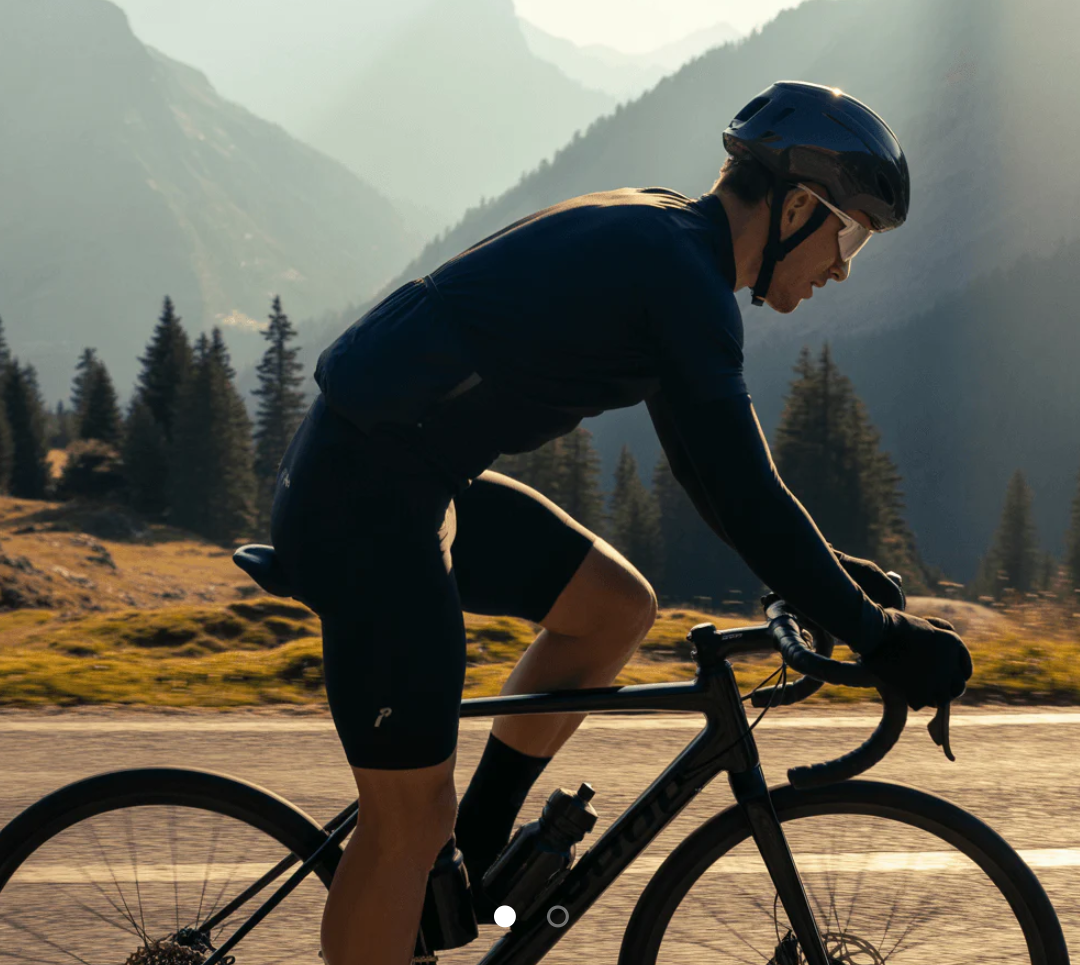
Why comfortable cycling clothing still trips up teams
I still start most supplier meetings by handling a sample — that tactile test anchors everything, so I always bring it up when I talk about comfortable cycling clothing. I vividly recall a March 2016 pop-up in Guadalajara where I tested a new bib short prototype on a morning route; the fabric looked great, but riders complained within 20 minutes about heat and seam pressure. On a sweaty June morning on Cerro del Cubilete, my team lost pace; 60% of riders complained about chafing — would switching to a true moisture-wicking, high-density chamois solve that?
As someone with over 15 years in cycling apparel wholesale and retail, I’ve seen the same hidden pain points repeat: wrong chamois density, poor breathability (sí, even in heat), and seams placed where riders bend. We call these issues out in technical sheets — chamois thickness, aero fit, compression zones — but the numbers alone don’t capture real-world discomfort. I once changed a line of aero jerseys for a boutique team in Monterrey and cut returns by 18% after swapping to a lighter fabric with targeted mesh panels. Small design fixes. Big operational savings. This matters if you’re ordering by the pallet, amigos — no biggie to test, pero essential to sell. — And that leads directly into what we need to measure next.
Forward-looking fixes: design to distribution (technical take)
Let me break down the core levers I use when I evaluate a new kit for wholesale purchase: material science, pattern engineering, and supply-chain tolerances. Material science means testing moisture-wicking rates, tensile strength, and UV resistance under lab and ride conditions. Pattern engineering means reviewing seam maps and stretch gradients so the chamois sits where the athlete needs it, not where factory ease thinks it belongs. Supply-chain tolerances are the quiet killer — a ±3 mm seam shift in a production run can turn a fine bib into a rubbing nightmare.
What’s Next: actionable metrics
If you want a forward-looking plan, start with pilots that combine ride-testing and data capture. I recommend two-stage sampling: bench tests in Guadalajara (or your nearest climate analog) followed by a small field run with a team for at least three weeks. Capture return rates, spot repair issues, and—this is crucial—rider-reported comfort scores before and after tweaks. I did that for a 2019 launch and the iterative approach saved six months and roughly $12k in restocking fees. Short cycles. Measured outcomes. Clear wins.
Here are three concrete evaluation metrics I insist on when approving a line for bulk buy: 1) Chamois retention under load — measure thickness and density change after 40 hours of simulated saddle time; 2) Breathability index — lab sweat tests plus a hot-weather field score; 3) Fit variance — the percentage of pieces within spec across a 1,000-unit run. Use these, and you’ll spot production drift before it hits stores. Also — double-check a supplier’s QC photos; they tell you more than glossy brochures.
For wholesale buyers, that practical checklist replaces guesswork with control. I say this from having negotiated terms, rejected entire runs, and re-sourced suppliers in 2018 during a delivery crisis — we rerouted stock, learned fast, and kept accounts. Small interruptions happen. We adapt. The metrics above let you compare options side-by-side and decide with confidence.
To wrap up, evaluate fabrics and fittings by riding them, measure returns and rider feedback, and demand supplier transparency on tolerance. My final tip: insist on a short pre-production run — it costs less than a bad season. If you want a partner who understands this grind and the technical trade-offs, check out Przewalski Cycling.