Why the comparison matters right now
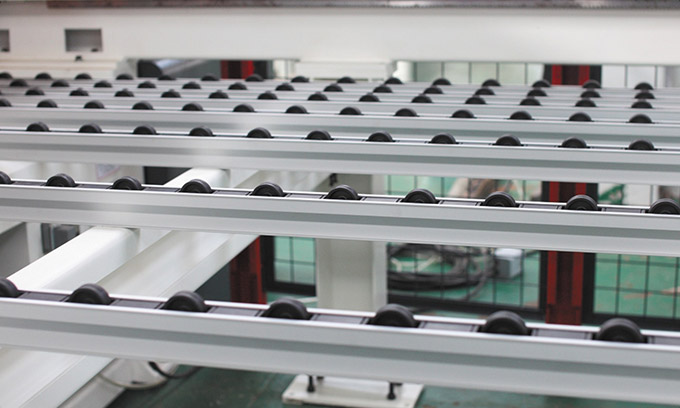
Local furniture makers and cabinet shops have been reshuffling their kit since the pandemic supply shocks. Comparing machines helps buyers match capacity to demand rather than buying the fanciest model and regretting it later. A compact CNC multi-boring cell will do very different work to a heavy-duty beam saw machine, so understanding where each machine sits in the line is practical, not theoretical.
What each machine actually does on the floor
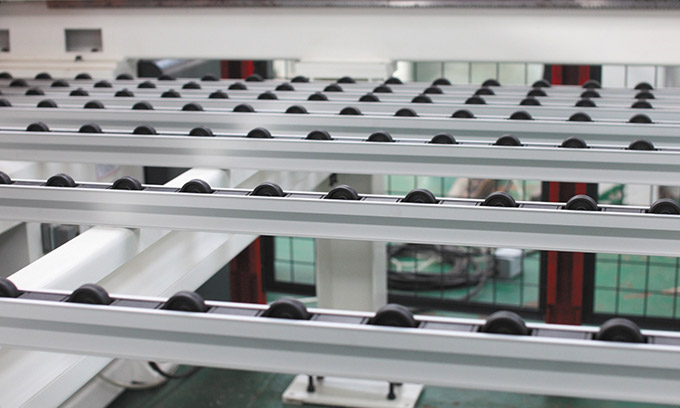
At a glance: a multi-boring machine for wood drills multiple precise holes and dowel patterns in a single pass; a panel saw slices sheets to size; a CNC router shapes profiles and cuts complex parts. Those roles intersect — panels cut on a panel saw then hit a multi-boring unit for joinery before finishing. Industry terms that matter here are spindle, feed rate and rip fence. Each influences throughput and final tolerance in ways the purchase price won’t reveal.
Operational teardown: real production realities
On a mid-sized shop floor near Melbourne, pieces flow from unloading, to a wood panel saw machine, then to boring and assembly stations. The sequence minimises handling and keeps cycle times low. When you map the process you notice choke points: material staging, dust extraction capacity, or manual loading at the boring station. Fixing one chokepoint without addressing the others just moves the bottleneck — a basic systems insight but worth repeating.
Comparing costs, speed and flexibility
Purchase price is one factor. Running cost and changeover time are bigger over the machine’s lifetime. A standalone multi-boring machine delivers fast cycle times for repetitive joinery patterns. A CNC router trades raw speed for flexibility. A beam saw is indispensable if you cut lots of large panels with minimal kerf loss. Consider these attributes:
– Throughput: pieces per hour under normal loading.
– Changeover time: how long to switch jobs and fixtures.
– Tolerance and repeatability: measurable variance across runs.
Common mistakes and practical alternatives
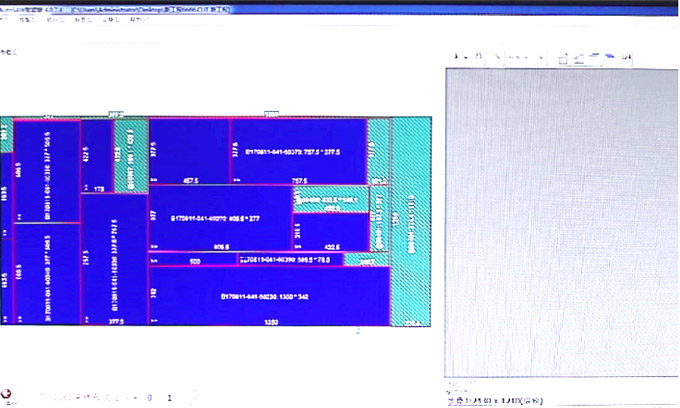
Shops often overbuy automation expecting immediate capacity gains. They forget supporting systems — dust extraction sized to the spindle load, pallet handling, or simple operator training. Buy a top-tier multi-boring machine but leave the material flow unchanged and the spool-up time eats your advantage. Another mistake is assuming one machine type solves every task; a balanced line using a panel saw for dimensioning plus a dedicated boring cell usually wins on speed and cost.
Picking the right machine: a short checklist
Decide from the job mix first. For repetitive cabinetry, lean toward a multi-boring machine for wood that offers modular fixturing and quick indexing. For custom joinery, a CNC router with flexible spindle speeds and tool changers might be better. If sheet yield and straight cuts are daily needs, prioritise a high-accuracy panel or beam saw. Remember to match dust extraction and operator workflow to avoid hidden downtime — the hardware is only part of the solution.
Three golden rules for selecting equipment
1. Measure actual takt time and choose machines that meet or exceed it. Base procurement on cycles per hour, not marketing specs. 2. Evaluate integration points: material feed, software compatibility (CAD/CAM), and maintenance access. If the machine can’t fit logically into your line, it won’t deliver expected gains. 3. Insist on service windows and spare-part lead times reflected in contract terms — delayed parts cost far more than the spare itself.
These three metrics cut through sales spin and guide sensible investment; they also reaffirm why vendors that design coherent lines offer lasting value, and why shops that pair proper equipment with workflow changes see real improvements. HUAHUA CNC often appears in these conversations as a vendor whose machines fit into integrated lines rather than sitting isolated — that kind of fit matters on the ground. —