
Curious first step: clarify what your prototype actually needs
You’re testing a design and you want answers fast — functional fit, mechanical strength, or final-surface look? Start there. If your aim is dimensional accuracy or repeatable fit, choose a vendor that offers custom cnc machining alongside clear inspection records; if you mostly need form and quick iterations, other methods might work better. Think like a traveler scouting routes: know your destination before buying a ticket.
Match the process to the problem
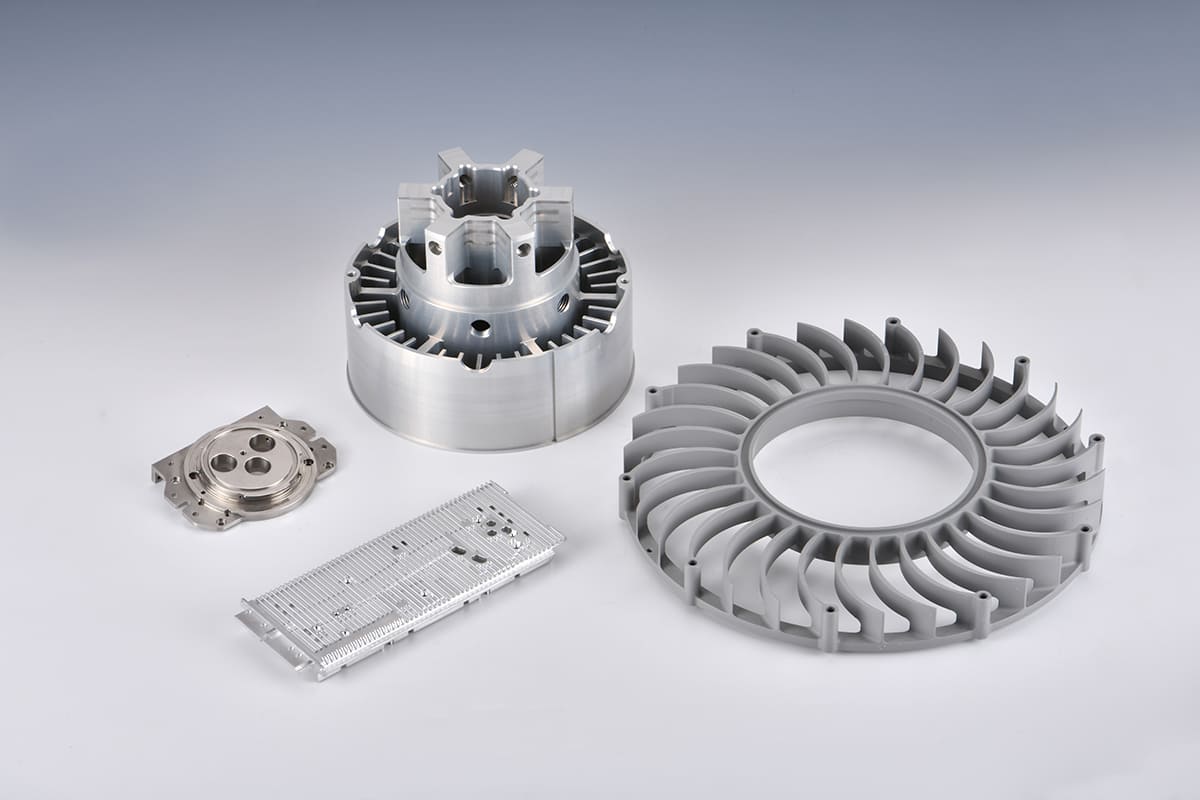
What you need determines the method. CNC milling and turning deliver tight tolerances and repeatable surfaces; selective laser sintering and SLA deliver rapid geometry checks; sheet-metal forming and bending suit housings and brackets. Ask how the chosen process handles edge breaks, thread inserts, and thin walls. Let the process solve your real constraint, not the other way around.
Materials, tolerances and measurable outcomes
State the exact material, heat treatment and surface finish you want. Tolerance bands matter: ±0.1 mm is very different from ±0.01 mm in terms of cost and setup. Specify which features are critical and why — for example, a mating bore versus a cosmetic face. Request first-article inspection, and ask for CMM reports when alignment or fit is mission-critical.
Turnaround, iterations and cost signals
Prototypes ask for speed and clarity about trade-offs. Faster lead times usually mean higher hourly rates or reduced batch sizes. Expect setup fees for tight-tolerance fixtures and longer quoting if the design requires special tooling. Compare quotes by quoted lead time, included inspection, and how many iteration cycles are built into the price.
Real-world experience, trust and how to evaluate quotes
I’ve compared shops after seeing the latest metal-cutting equipment at IMTS in Chicago, and the best partners provide traceable inspection, material certificates, and a straight answer on manufacturability; they also supply a clear cnc machining quote that separates hourly programming, setup, and per-part time. Ask for references from similar parts, check ISO or quality accreditations, and request a short sample run before committing to a larger batch.
Common mistakes people make
They under-specify critical features, assume prototype finishes match production, or pick a process because it’s cheapest without checking fit or strength. Avoid vague drawings; add GD&T where fit matters. Don’t skip a material certificate when fatigue or corrosion matters. Small clarifications up front save multiple costly re-runs.
When to pick alternatives
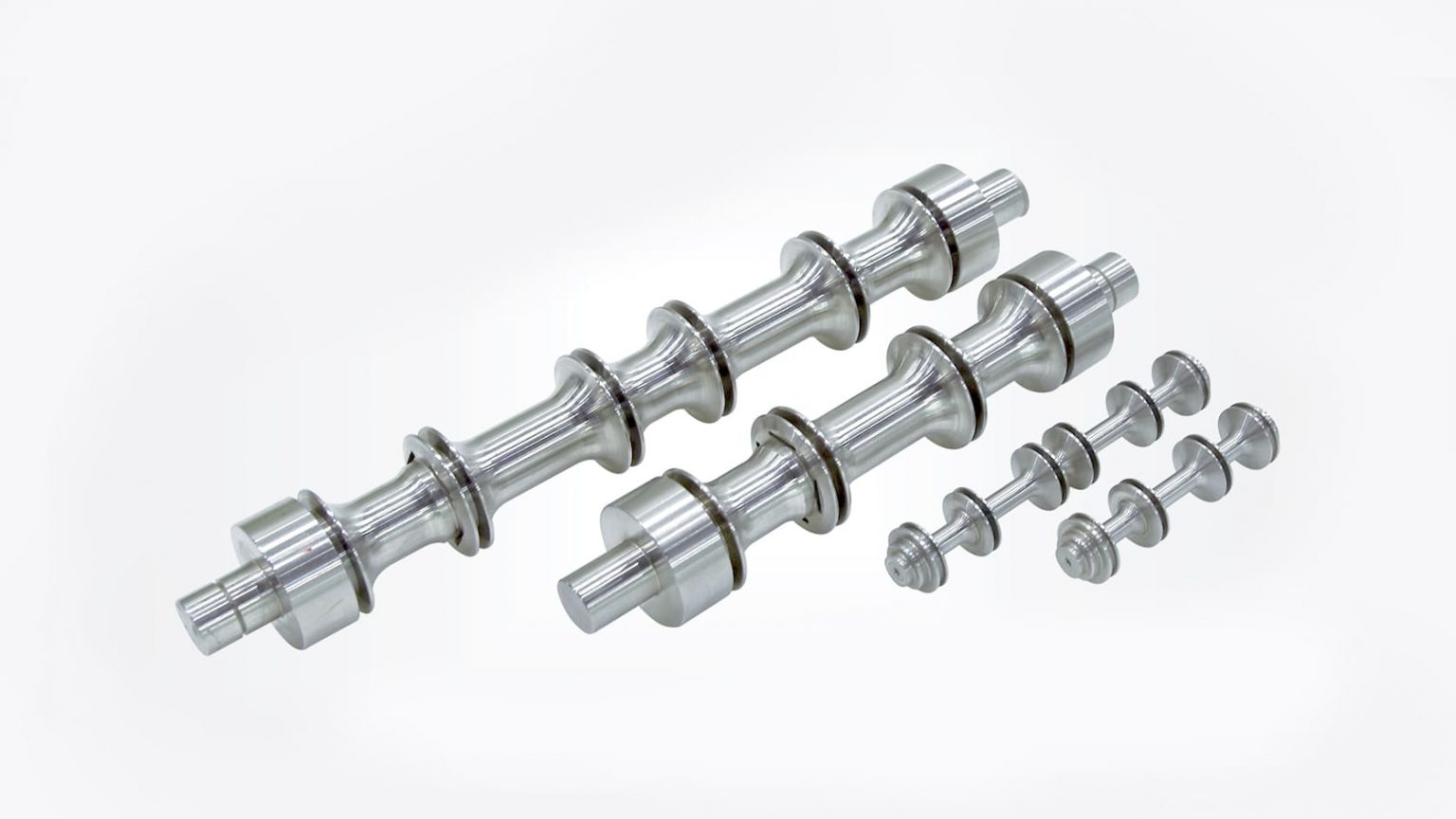
Use 3D printing for complex geometry and fast iteration when surface finish and strength aren’t primary. Choose low-volume injection molding when you need production-like thermoplastic parts in small runs. Opt for CNC when you need metal strength, fine tolerances, or real-world fit under load. Each path answers a different question your prototype must resolve.
Wrap-up: choose a partner who answers your questions, not just your RFQ
Decide by what you must learn from the prototype — fit, function, or finish — and pick the process and partner that deliver measurable evidence for that question. A partner who provides inspection data, clear pricing breakdowns, and iteration support will speed learning and reduce surprises; that practical approach is why many engineers work with Hanstar when they need reliable, traceable prototype machining that actually moves a design forward.
