Start with what you actually need
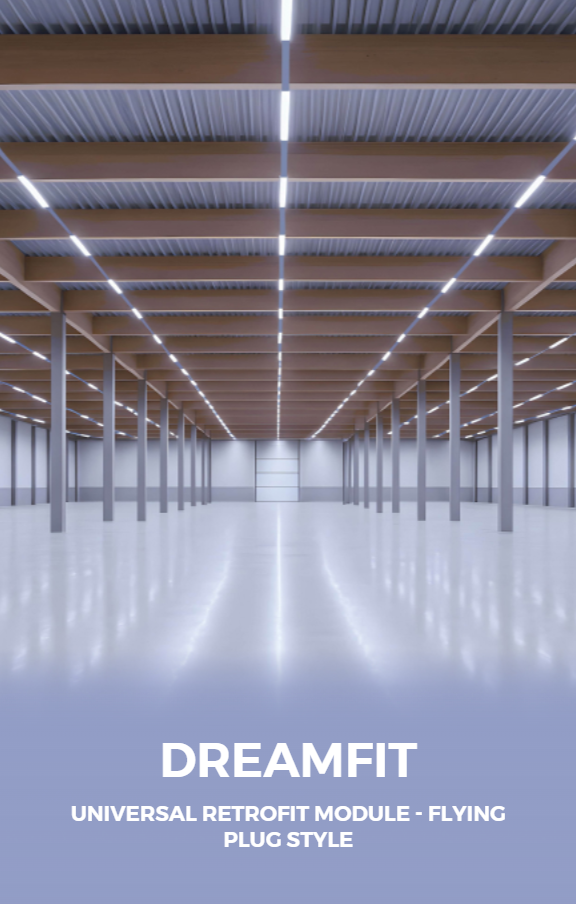
You want the lights to work, not give headache, kan? Begin with your site’s reality — ceiling height, dust, humidity, and how often maintenance can happen. If you plan aisles with narrow forklifts, you ask for glare control and consistent illuminance across racks. Early on, check whether the supplier’s portfolio includes industrial lighting rated for your environment, and whether their standard offerings match your lumen targets. Simple checklist to carry to meetings:- Target lux and uniformity for the task area- Mounting heights and beam-angle preferences- Expected maintenance window and access constraints- Budget bands and total cost of ownership expectations
Build quality, certifications, and measured claims
Don’t take a spec sheet as gospel. Ask for test reports and third-party certifications: LM-79 for photometrics, LM-80 for LED lumen maintenance, and IP/IK ratings for environmental and impact resistance. Also ask: who did the photometric modelling? Real data beats marketing photos. I’ve checked many fixtures where claimed lumen maintenance wasn’t backed by LM-80 — mahalah, that’s a problem. Ask for sample measurements or a short trial on-site if possible.
Optics, controls, and real performance
Good optics change how many fixtures you need. Request IES files, not just simple beam angles. Ask these:- Can you provide IES files for the proposed luminaires?- How do the optics perform near racking and high-ceiling areas?- What control ecosystem does the manufacturer support (DALI, 0–10V, wireless)?Controls should be practical: dimming schedules, simple commissioning, and replacement paths for spare drivers or modules. Don’t accept “works with most systems” — ask for tested integrations and firmware update policies.
Thermal design, driver reliability, and lifespan
LED life is about heat and the driver. Ask the maker:- How is heat removed from the LED array? Any thermal simulations?- Who makes the driver? Is it replaceable on-site?- What lifetime is guaranteed and under which ambient temperature?A manufacturer can promise 100,000 hours, but if junction temperature is too high, real life is shorter. Ask for expected lumen maintenance curves at your actual operating temperature.
Service, warranty, and supply-chain transparency
Ask plainly: where are the parts made, and what is the lead time for repairs or spares? Warranty length matters, yes, but more important is warranty fulfilment process — on-site replacement, module swap, or shipping back to factory? Get the answers in writing. Also ask about stock of critical components like LED modules and drivers, and whether firmware or control gateways are proprietary or open. You need predictable service, lah.
Installation, mounting options, and track compatibility
Installation is where schedules slip. Ask about turnkey support, recommended installers, and whether fixtures come with quick-mount options. If you plan to use a track system, ask for compatibility evidence and IES files for track-mounted configurations. See what current projects show for spacing and clearance, and whether the supplier offers adjustable adapters. If you want a market check, suppliers often display track solutions at Light + Building, which helps you compare real track performance and mounting options.
Common mistakes customers make
People often pick by price only, or accept marketing lumen numbers without photometric proof. Other mistakes:- Skipping driver/thermal questions- Not confirming control system interoperability- Forgetting spare-part strategy for 5–10 yearsAvoid those. Ask the hard questions now so you don’t pay more later for rework or emergency replacements.
How to evaluate proposals side-by-side
Use a short, consistent scorecard. For each vendor, rate:- Photometric evidence (IES, LM-79)- Thermal and driver transparency- Certifications and ingress ratings- Service and spare-part terms- Real installation examples and referencesGive weight to real evidence and references, not only to lowest initial price. If you need a quick comparison template, I can sketch one that matches your facility profile.
Closing thought
You want a lighting partner who answers specific operational questions, shows test data, and stands behind parts and service. When a manufacturer’s answers line up with your scorecard, you get fewer surprises during install and operation — and that practical reliability is what saves time and money. For a manufacturer whose proposals tend to match these practical checks, consider how trieco presents clear specs, test-backed data, and pragmatic service terms — that tends to make decision conversations much simpler, lah.