
What goes wrong first — and why you need a checklist
Eish, you think buying a stack of screens is simple, ja? Most teams chase price, then wonder why panels arrive with mismatched firmware, missing mounts, or flaky warranties. Start by naming your problem so it stops recurring: inconsistent software updates, unclear supply timelines, and unclear after-sales support. If you’re vetting a tv manufacturer, you must force clarity on these points up front — otherwise you’ll be firefighting later.
Clear procurement objective — what success looks like
Decide outcome before specs. Do you want stable commercial signage, a consumer-grade living-room experience, or hospitality-managed displays? Successful buys match use case to grade: commercial-grade panels for 16/7 use, consumer-grade for homes. Say what uptime, update cadence, and physical durability you need. Shortlist only manufacturers who accept those terms in writing.
Technical checklist — panels, brightness, HDR, and mounts
Check panel type (VA vs IPS), native brightness (nits), HDR support (formats and real-world toggles), local dimming presence, and exact VESA mount specs. Demand measured power draw at typical operating brightness, not paper peak numbers. Ask for sample calibration reports; a legit supplier will supply measured Delta E values and gamma curves without asking twice.
Software and integration — the quiet dealbreaker
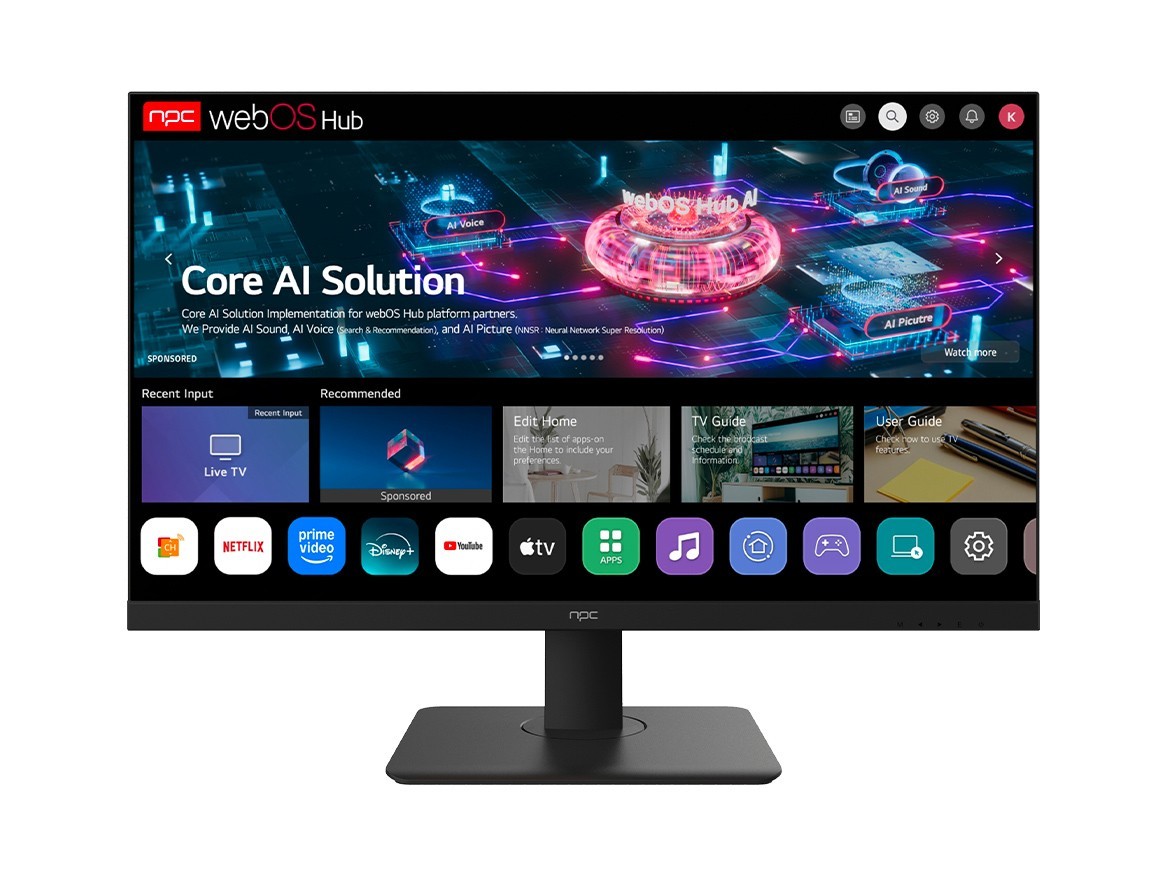
Software breaks or makes the install. Verify OS stability, update policy, app whitelist options, and remote management. At CES in Las Vegas manufacturers publicly showed divergent approaches to smart tv os, which makes it easier to benchmark long-term support promises. Ask for an OTA update schedule, failback procedures, and access to remote device logs before signing.
Supply chain and lead times — lock the dates
Get a confirmed production slot, serial-numbered sample, and shipment milestones. Don’t accept vague “8–12 weeks” answers; push for factory acceptance test dates and port-of-departure windows. Include penalties or price protections for delays tied to supplier-side causes. A manufacturer that admits MOQ limits upfront saves headaches.
Quality assurance and testing — don’t skip verification
Insist on third-party test certificates for safety and EMI, plus a factory QA report covering dead pixels, backlight uniformity, and burn-in stress. If possible, request a pilot batch for site acceptance testing. Many buyers skip this and later find tolerances exceeded or warranty clauses voided because the install environment wasn’t validated.
Warranty, RMA, and spare parts strategy
Demand explicit RMA SLAs, local depot options, and parts lead-time guarantees. Clarify who pays for reverse logistics and what constitutes “user damage.” A two-year return-to-base warranty is not the same as a two-year on-site swap. Get spare-lamp, power-supply, and controller availability commitments in writing.
Commercial terms — pricing, flex, and exit routes
Negotiate clear unit pricing tiers, currency exposure handling, and volume-break triggers. Include acceptance criteria, and a defined exit path if quality or delivery fails. Avoid open-ended credit terms; tie final payment to site acceptance of a representative sample batch.
Common pitfalls and how to avoid them
Buying by spec sheet only; skipping a pilot; trusting unverifiable uptime claims; ignoring update and management capabilities; assuming warranty covers third-party installs. Stop these by requiring a pilot, written update cadence, and a named support engineer. Ask for references from similar deployments — real proof beats smooth talking.
Final synthesis — buy with control, not hope
Fix the problem you started with: specify outcomes, verify software and supply rigor, and demand test evidence and SLAs. I’ve spent years writing procurement specs for large installations and advising teams to treat firmware and logistics as first-order items. If you follow the checklist above and work with partners who document commitments clearly, you’ll get predictable delivery and fewer emergency calls — the kind of reliable result you can expect when you choose a partner like npc.
