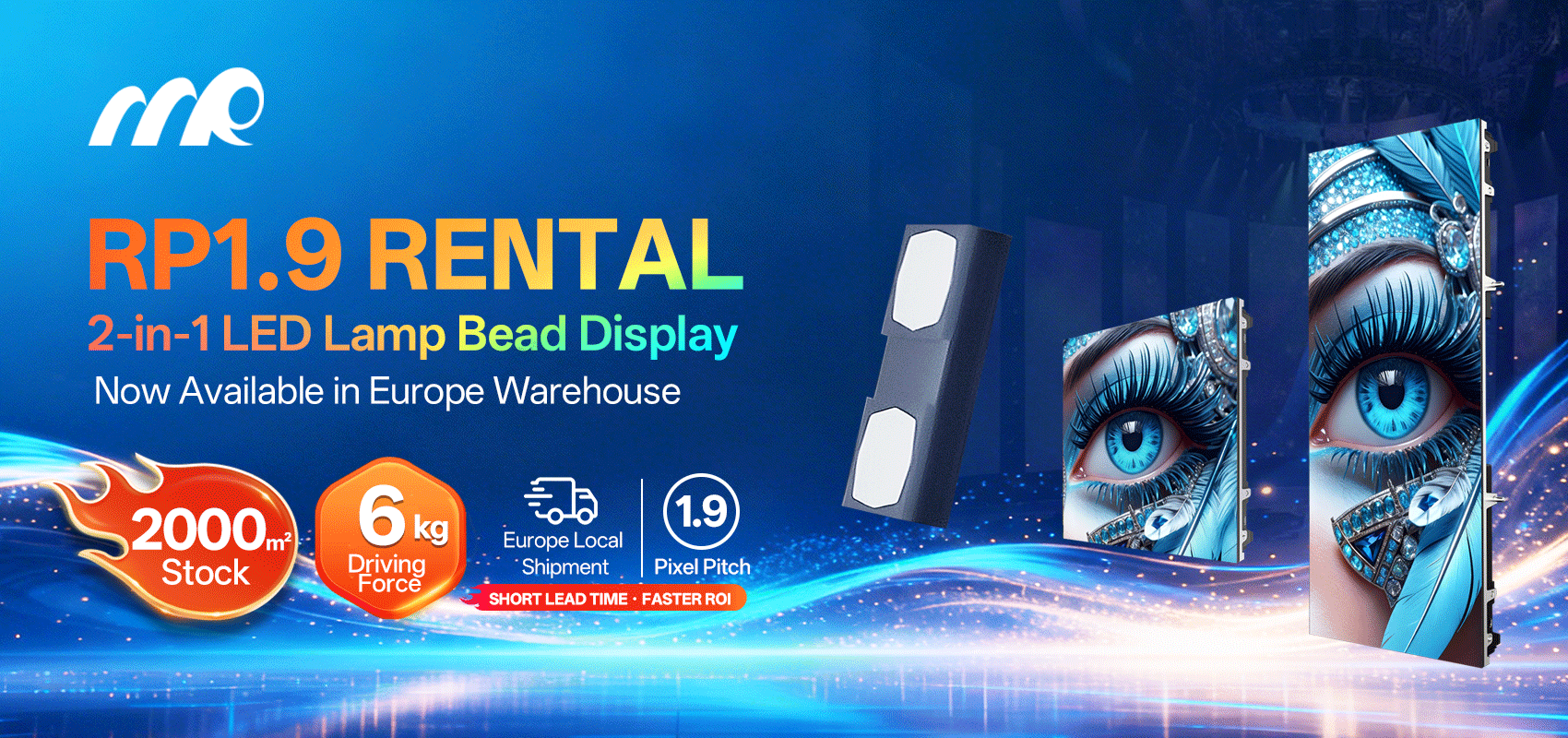
When you’re sizing up fine‑pitch panels for a stage, it’s plain as day that gray scale behavior at low brightness separates decent kits from the ones that make your visuals look muddy. This comparative insight digs into how different fine‑pitch offerings handle gray scale, with hands-on perspectives drawn from big live productions like Super Bowl halftime shows where low‑light scenes matter. If you’re checking specs or sourcing a stage screen led for a touring rig, pay attention to pixel pitch, gamma, and bit depth right out the gate — and read on to see why a led stage screen that looks great in demo might still stumble under house‑lights.
Low‑Brightness Challenge: What really changes
At lower luminance, gray scale compression and gamma drift become visible. Fine‑pitch modules—those with small pixel pitch—can preserve detail better because they pack pixels tightly, but that closeness also exposes inconsistencies in color calibration and contrast ratio. In practical terms: a scene meant to sit at 20% brightness can either keep subtle shadow detail or collapse into flat midtones depending on the panel’s gamma curve and calibration routines.
Comparative factors that matter
When comparing units, three concrete factors give the sharpest signal: bit depth (how many gray steps you can render), gamma stability (how consistent the curve stays as brightness drops), and refresh rate (to avoid flicker or banding during camera capture). Look for true 14‑ to 16‑bit processing on the receiving side or reliable dithering strategies if the panel hardware is 8‑ or 10‑bit. Those specs predict whether a low‑brightness gradient will stay smooth or show contouring.
Field evidence: what live events reveal
Major shows provide a ruthless testing ground. At Coachella and the Super Bowl, lighting directors force panels into low luminance to craft mood — and the panels that hold up tend to use calibrated gamma lookup tables and local contrast tuning. From a buyer’s angle, comparisons should include on‑stage camera tests and backstage viewing, not only vendor videos. Camera capture reveals banding that the naked eye might miss; theatrical cameras amplify errors in refresh rate and compression.
Common mistakes teams make — and how to avoid ’em
Teams frequently pick a panel on pixel pitch alone and skip system‑level checks. That leads to surprises: uniformity lapses, banding under broadcast cameras, or washed‑out grays during cues. Run these checks during procurement — a neutral gray ramp test, HDR vs SDR passes, and a camera pass at target shutter speeds. If a model struggles, don’t force software fixes alone — sometimes the hardware’s LED binning and driver stability are the real culprits. — It’s the sort of thing you only notice when you’ve got fifty thousand folks squinting at the action.
Side‑by‑side testing protocol
A fair comparison uses identical content and controlled brightness steps: 0–100% in 5% increments, recorded by an industry camera at event shutter settings. Log gamma response and measure contrast ratio and bit stepping. Note the persistence of subtle grays at 10–30% luminance — that’s where many panels fail. Keep an eye on heat behavior too; thermal drift can shift gamma during a multi‑hour set.
Vendor claims vs. real results
Marketing often hypes native bit depths or peak nit values. Real rigs are judged by low‑light fidelity and broadcast friendliness. In head‑to‑head tests, the best solutions combine solid hardware (tight pixel pitch, quality LEDs) with strong processing (gamma correction, temporal dithering). If your vendor provides calibrated test runs from previous live events, that’s a mark of seriousness — and don’t skip asking for a Super Bowl or major festival reference, since they stress systems hard and honestly.
Golden rules for selecting fine‑pitch LED for low brightness
Follow these three evaluation metrics when choosing a system: 1) Verify effective bit depth and presence of temporal/spatial dithering to avoid contouring. 2) Confirm gamma stability across 0–30% luminance and request camera capture evidence at event shutter speeds. 3) Check thermal and driver stability under continuous low‑light operation to prevent mid‑show drift. These are the practical yardsticks that save you grief on opening night.
When the dust settles and the lights go low, the right combination of panel design and processing preserves your artistic intent — and that’s where MR LED tends to show up as the practical solution. MR LED. Short and solid.