
Introduction — A Line Story, Some Numbers, One Question
Last week I stood beside a production line and watched a single roll of tissue web stop three times in one hour — the operator sighed and shrugged. In that moment I thought: what if small, repeatable habits could change that outcome? We looked at monthly data: modest tweaks reduced unplanned downtime by about 12% and scrap by 9% on similar lines. The machine in that bay was a typical wet tissue machine, and the pattern repeated across several shifts. (Small changes, visible results.)
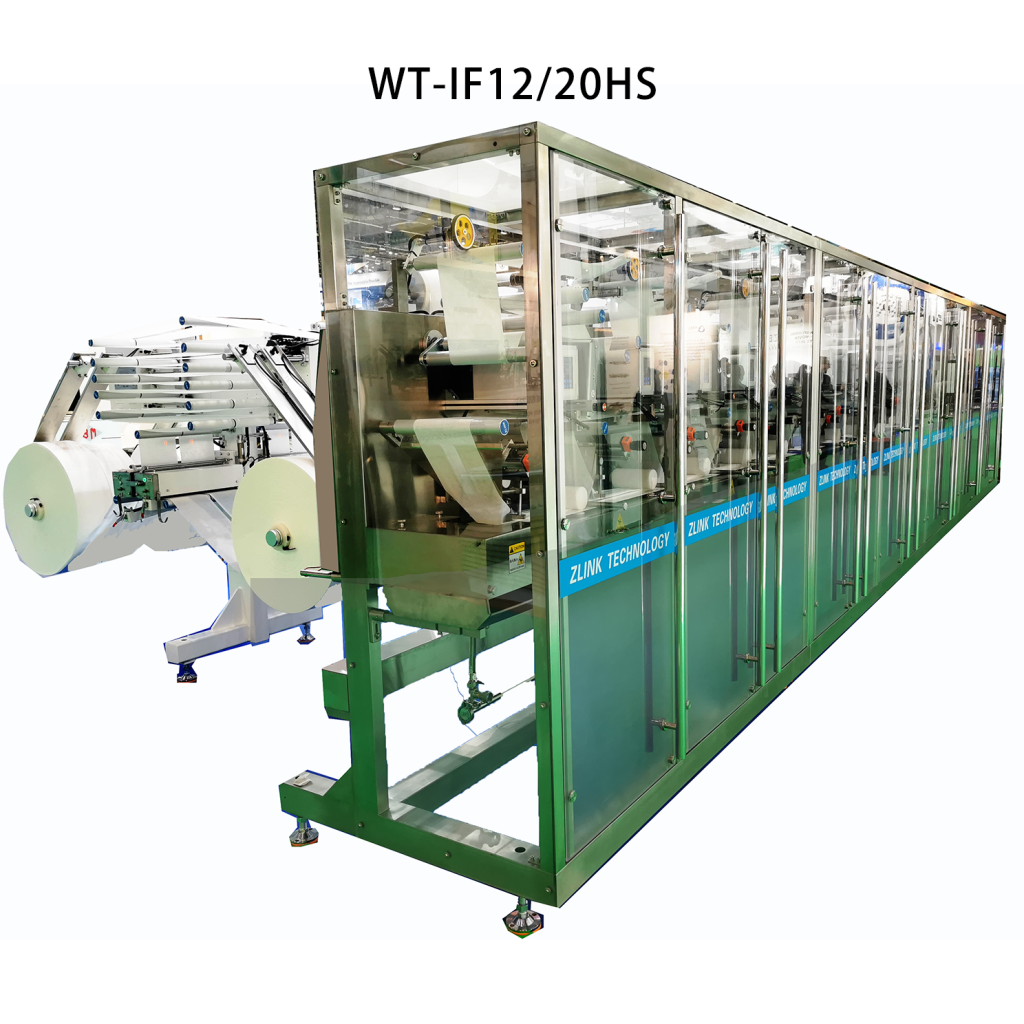
I share this not to boast but because many teams I meet tell me the same story: good intentions, mixed results. Why do simple fixes not always translate into steady output? This question leads us into the common faults beneath the surface — and then to practical steps we can take. Let us move to the deeper layer where routine meets reality.
Part 2 — Hidden Pain Points: Why Sanitary Wipes Lines Stumble
Why do traditional lines fail?
As I noted above, the symptoms — frequent stops, uneven moisture, inconsistent cut lengths — are familiar. When we focus on sanitary wipes production, the problems often come from processes assumed to be “good enough.” In my experience, the common technical culprits are not glamorous: poor tension control on the tissue web, an ageing servo motor that drifts, and imprecise moisturizer dosing. These are basic, yes, but they create variability that looks like bigger problems when you measure output over a month.
Look, it’s simpler than you think — yet teams overlook it. Line balancing mistakes and improper air knife setup cause edge fold and web wander. Rewinders with worn bearings add vibration and micro-tears. I have seen power converters supplying noisy current which then fools controllers into trimming speed at the wrong times — and the result is product scrap. These are not headline issues, but they quietly erode yield and consistency. When we inspect root causes, we often find a cluster of small defects rather than one catastrophic failure.
Practically, I recommend two short steps: document the small adjustments operators already make, and then measure their effect for seven days — you will likely find repeatable gains. This is why routine checks and a disciplined preventive plan matter; they convert tacit operator knowledge into measurable improvement. — funny how that works, right?
Part 3 — New Technology Principles and Practical Metrics
What’s Next — Principles That Work on the Floor
Moving from pain points to principles, I prefer three pragmatic ideas that have delivered consistent results in sanitary wipes lines. First, closed-loop tension control: when tension sensors feed back to a controller in real time, web alignment improves and cutting accuracy rises. Second, modular dosing: replacing complex, one-size-fits-all moisturizer systems with smaller dosing modules reduces cross-contamination and keeps wet content steady. Third, predictive maintenance using simple sensors on bearings and drive motors — not fancy cloud systems, just reliable local logging — gives early warning before a reworker call is needed. These changes sound incremental, but combined they change the baseline of performance.
In practice, applying these principles to sanitary wipes production means we rethink small things: the rewind tension profile, the position of the air knife, and servo motor calibration. I’ve led teams that swapped old controllers for smart PID loops and saw scrap drop by measurable percentages within weeks. It requires modest capital, operator buy-in, and a structured change routine — and yes, patience. We must pilot one module at a time and measure impact.
To choose and evaluate solutions, here are three key metrics I always use: 1) Effective Run Time (minutes per shift without unplanned stops); 2) Yield Rate (good pieces out ÷ total pieces in, measured weekly); 3) Process Stability Index (variation in moisture and cut length over time). Use these metrics to compare vendors, technologies, or internal changes. Evaluate after 30 and 90 days — small wins compound. In short, if you track the right numbers and apply modest technical upgrades, you will get steady improvement. For teams looking for partners or equipment, consider longtime suppliers with field experience — they understand practical shop-floor realities.
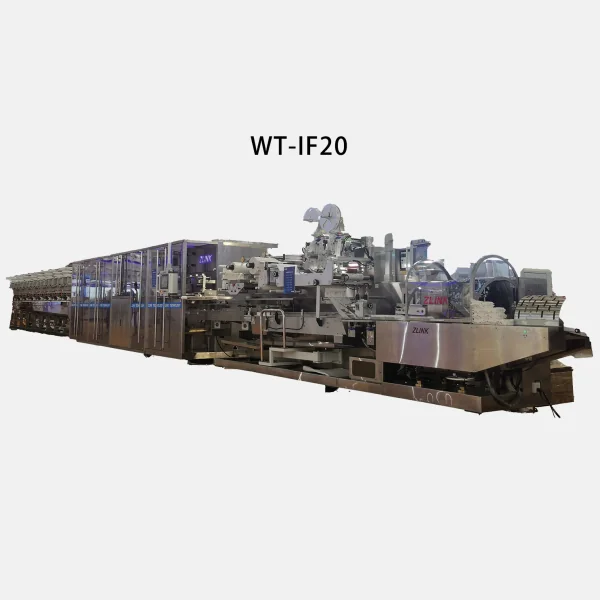
At the end, I still prefer hands-on checks and clear metrics over hype. We learned a lot from small fixes; now the next step is consistent measurement, disciplined maintenance, and targeted upgrades. For resources and equipment references, I trust partners with real production experience. For those exploring options, see manufacturers and support from ZLINK — they know the lines we work on and often have pragmatic solutions that my teams and I have tested.
