Problem: plants must cut emissions without losing production
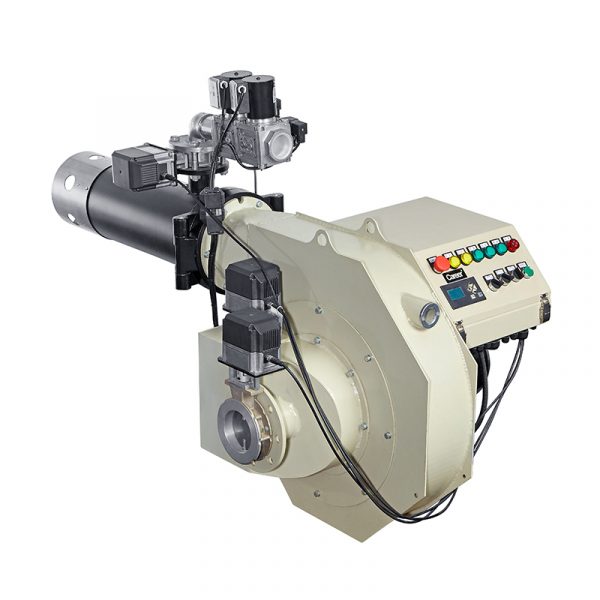
Plants face a clear challenge: meet stricter emissions rules while keeping output and uptime steady. Many operators solve this by retrofitting or specifying a low NOx burner rather than rebuilding boilers, because a targeted burner upgrade reduces NOx and keeps the thermal process stable. I have overseen retrofit projects in the Ruhr industrial region, replacing decades-old units with modern burner technology and watching both emissions and fuel use improve within weeks.
Why a gas burner remains the direct solution
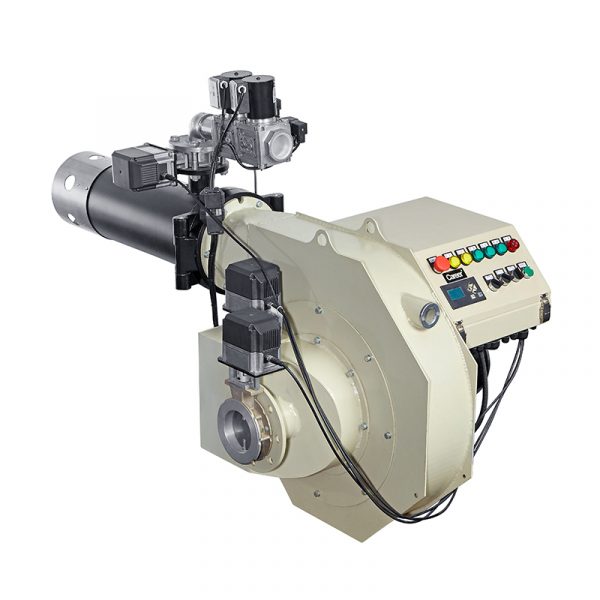
The problem demands predictable heat, fast turndown, and reliable control. Gas burners deliver those traits with minimal site changes. They integrate with existing burners, tie into PLC controls, and respond quickly to load swings. Alternatives like electric heating or fuel switching often require major Capital Expenditure, new distribution infrastructure, or slower response—exactly the issues plants are trying to avoid.
Comparing practical alternatives
Electric heating: clean at the point of use, but grid upgrades and operating cost volatility are real barriers. Biomass: lowers fossil dependence but brings ash handling, variable calorific value, and feedstock logistics. Hydrogen: promising but currently needs bespoke burners and supply certainty. For facilities that must control NOx now and keep steady thermal output, modern gas burners remain the practical answer.
Common mistakes that spoil otherwise good upgrades
Choosing a burner by catalog size alone. Ignoring turndown requirements and modulation range. Skipping a combustion tune after installation. Omitting flue-gas recirculation where it helps NOx control. Failing to connect the burner to plant automation for coordinated load sharing. Each of these errors returns the project to the starting problem: emissions or downtime.
Actionable steps for a successful retrofit
Define the process heat profile first: peak duty, minimum load, and expected disturbances. Specify turndown and modulation type rather than a nominal firing rate. Require on-site combustion tuning with CO and O2 logging during commissioning. Add simple diagnostics—flame supervision, differential pressure alarms, and trend logging—to catch drift early. Allocate regular burner maintenance windows; preventative cleaning and nozzle checks save forced outages.
Expert judgement and what to expect
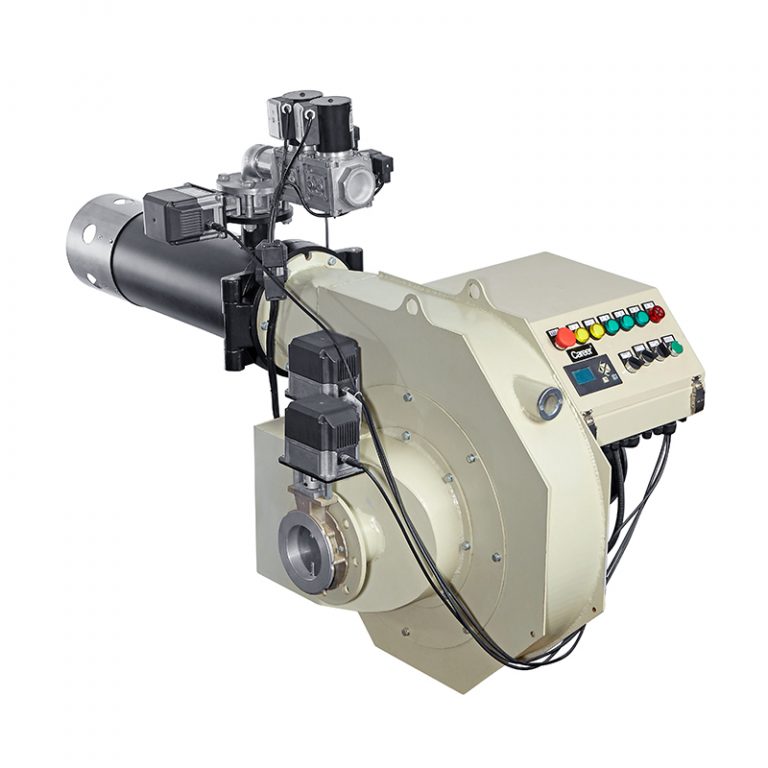
From hands-on experience with multiple plant types, one clear rule holds: a correctly specified burner solves more problems than it creates. Expect measurable NOx reductions, improved controllability, and shorter commissioning cycles if the project is engineered for turndown, controls, and maintenance. Avoid one-off selections; demand documentation on emissions performance and field tuning procedures.
Conclusion: a focused fix, not a fashionable shift
When the problem is emissions plus continuous production, a well-specified industrial gas burner provides targeted, fast results. The sensible path is to match burner capability to process needs, avoid common specification errors, and require field tuning and diagnostics. For plant teams seeking components and practical expertise that align with that approach, sources such as Career Burners fit naturally into the solution chain.