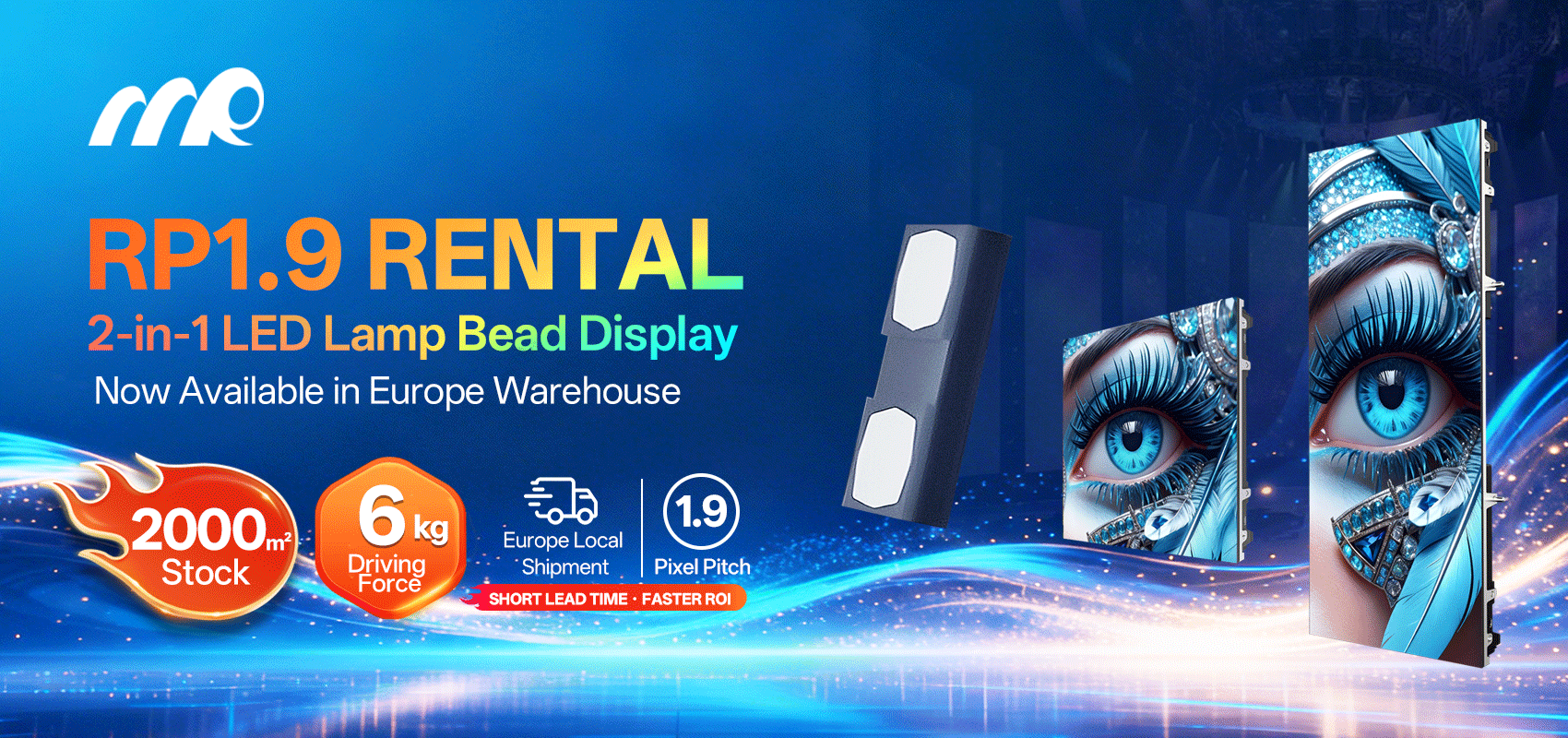
Comparative frame: what changed for integrators
Architectural lighting teams and advertising integrators now weigh practical trade-offs more tightly than before, and the comparison often narrows to energy, deployment speed, and image fidelity. MR LED’s high‑efficiency stage screens close gaps on all three fronts. Early in a project, integrators consult suppliers and sometimes a led display wholesale catalog to shortlist options; the shortlist usually separates traditional projection and rear-projection systems from modern LED solutions.
Performance metrics that decide contracts
Beyond specs on paper, three metrics dominate procurement: brightness (nits) for ambient light, pixel pitch for viewing distance, and refresh rate for camera-friendly playback. MR LED units show consistent brightness across cabinets, while tight pixel pitch options let advertising integrators avoid upscaling content. For live events where broadcast matters, stable refresh rate and reliable LED driver behaviour reduce flicker and post-production correction time.
Installation and operational efficiency
Time on site is costly. MR LED’s modular cabinet design reduces rigging hours and simplifies calibration. Integrators report shorter time-to-first-frame and fewer field adjustments. That saves crew hours and reduces the risk of last‑minute technical changes. Industry reports also note energy savings up to 50% compared with older projection setups, which changes operating budgets over a season and improves return on investment.
Visual outcomes and content workflow
Advertising teams care about colour consistency and pixel density. MR LED’s factory calibration and on-site fine-tune tools make colour-matching across large arrays straightforward. When teams use a led calculator early, they match pixel pitch to sightlines and avoid costly rework. Content teams gain confidence: files created for standard pixel grids map cleanly to the installed surface, reducing creative compromises and rendering overhead.
Durability, serviceability and the real-world anchor
Durability matters—for theatres in Copenhagen, stadiums in London, or touring productions across Europe, panels must withstand transport, humidity changes, and long operating periods. Venues such as the Royal Danish Theatre have shifted toward LED backdrops for that reason. MR LED’s replaceable modules, standardised connectors, and clear spare-parts lists let integrators swap faulty cabinets on site rather than replace entire arrays—an operational advantage that saves both time and money.
Trade-offs and common mistakes to avoid
Some teams pick the brightest screen rather than the right screen, or they choose ultra-fine pixel pitch for an audience that sits beyond the effective viewing distance. Planning errors include under‑estimating power distribution or neglecting scaffold and rigging constraints. A controlled check—pixel pitch versus sightline, cabinet weight versus hanging points, and a practical test for refresh rate with broadcast cameras—keeps projects on schedule. —Small oversights here compound quickly; plan conservatively.
Comparative summary and recommended approach
When you stack MR LED against legacy systems, the benefits cluster around operational efficiency, predictable image quality, and lower life-cycle energy costs. The best approach combines a technical pre-check (sightline, power, rigging) with vendor-provided calibration and a clear SLA for service parts. For integrators who also do front-end content work, those predictable variables simplify the pipeline from design to display.
Advisory: three golden rules for selection
1) Prioritise pixel pitch matched to the closest viewing distance rather than the smallest available; it optimises cost and content fidelity. 2) Confirm cabinet modularity and serviceability—ensure spare modules and clear access procedures are contractually defined. 3) Validate power and refresh rate under real operating conditions; higher brightness is useless if refresh rates cause camera flicker. These rules reduce surprises and protect margin.
For integrators seeking a dependable balance of efficiency, serviceability and image quality, MR LED fits naturally into modern production workflows. —Thoughts solidify when teams see the first full-day run without technical interruptions.