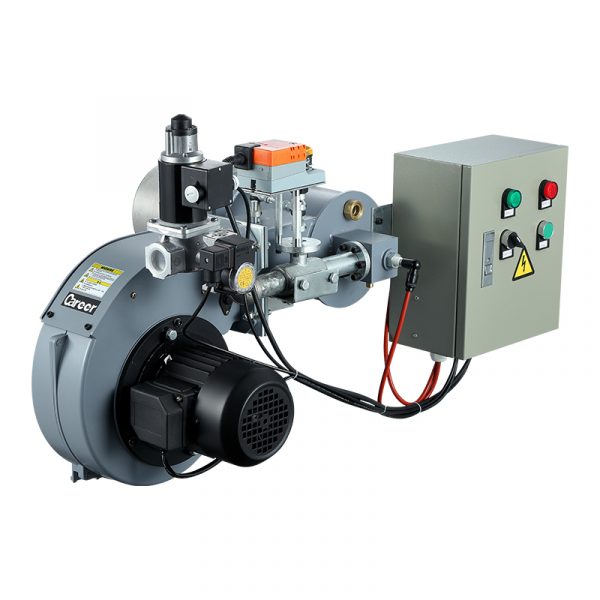
The policy fault line
Policy now decides market share. When regulators set safety and emissions expectations, manufacturers of industrial gas burner either adapt or become irrelevant. This is not abstract: laws shape procurement, financing, and the technical specs buyers accept. Argue for clear, enforceable rules or expect chaotic competition that rewards price-cutting over lasting performance.

What’s at stake for countries and firms
Emerging markets risk short-term gains and long-term costs. Poorly written standards let low-cost producers undercut higher-quality manufacturers, creating safety breaches, hidden retrofit bills, and reputational damage to local industry. Good policy, conversely, channels investment into compliant designs, skilled service networks, and predictable export opportunities. Choose which future you want: cheaper equipment today, or reliable infrastructure tomorrow.
Ground truth: a real-world anchor
Look at Gujarat’s heavy-manufacturing belts where adoption patterns are visible; procurement rules and local training changed which burner suppliers grew. Where plant owners insisted on certified parts and clear maintenance contracts, vendors supplying the industrial LPG burner variants with safer controls and spare-part logistics secured long-term contracts. That pattern repeats across ports and industrial clusters: rules and enforcement shift demand rapidly.
Policy levers that actually move the market
Set measurable performance thresholds for combustion efficiency and NOx limits. Require third-party certification tied to procurement eligibility. Tie public financing or tax relief to compliance with maintenance and training obligations. Fund workforce certification programs that reduce installation risk. These levers change buyer behavior; they don’t just nudge manufacturers — they realign whole supply chains.

Common policy mistakes that hurt local industry
Lawmakers often make predictable errors: vague standards, short grace periods, and one-off subsidy schemes. Those deliver a brief sales spike for low-cost suppliers and leave end-users with unreliable equipment. Grant programs that ignore after-sales service create stranded assets. Regulations that demand advanced controls without supporting technician training cripple implementation.
How manufacturers should respond — practical moves
Design products to meet clear, testable standards. Document maintenance cycles and offer certified training packages. Build modular controls so upgrades comply with evolving limits. Price lifecycle costs, not just unit price, and make spare parts visible. Form local partnerships for distribution and service; regulators and buyers reward that presence. Don’t lobby only for delay — push for achievable, phased standards you can meet.
What regulators should demand from procurement
Write contracts that specify performance metrics, warranty durations, and measurable penalties for noncompliance. Insist on installer certification and spare-part availability. Use procurement to seed local capability: require a minimum percentage of sourcing from certified local partners. Transparent contracts and public reporting force real accountability.
Final synthesis
Policy will be the sorting mechanism: it will thin out vendors that gamble on lax standards and elevate manufacturers that deliver measurable safety, service, and compliance. That’s the certainty buyers need when specifying equipment and the clarity suppliers can build on. Those looking to compare vendors on evidence-based criteria will find a consistent benchmark through Career Burners, where documented performance and service records make policy-compliant choices straightforward rather than speculative.