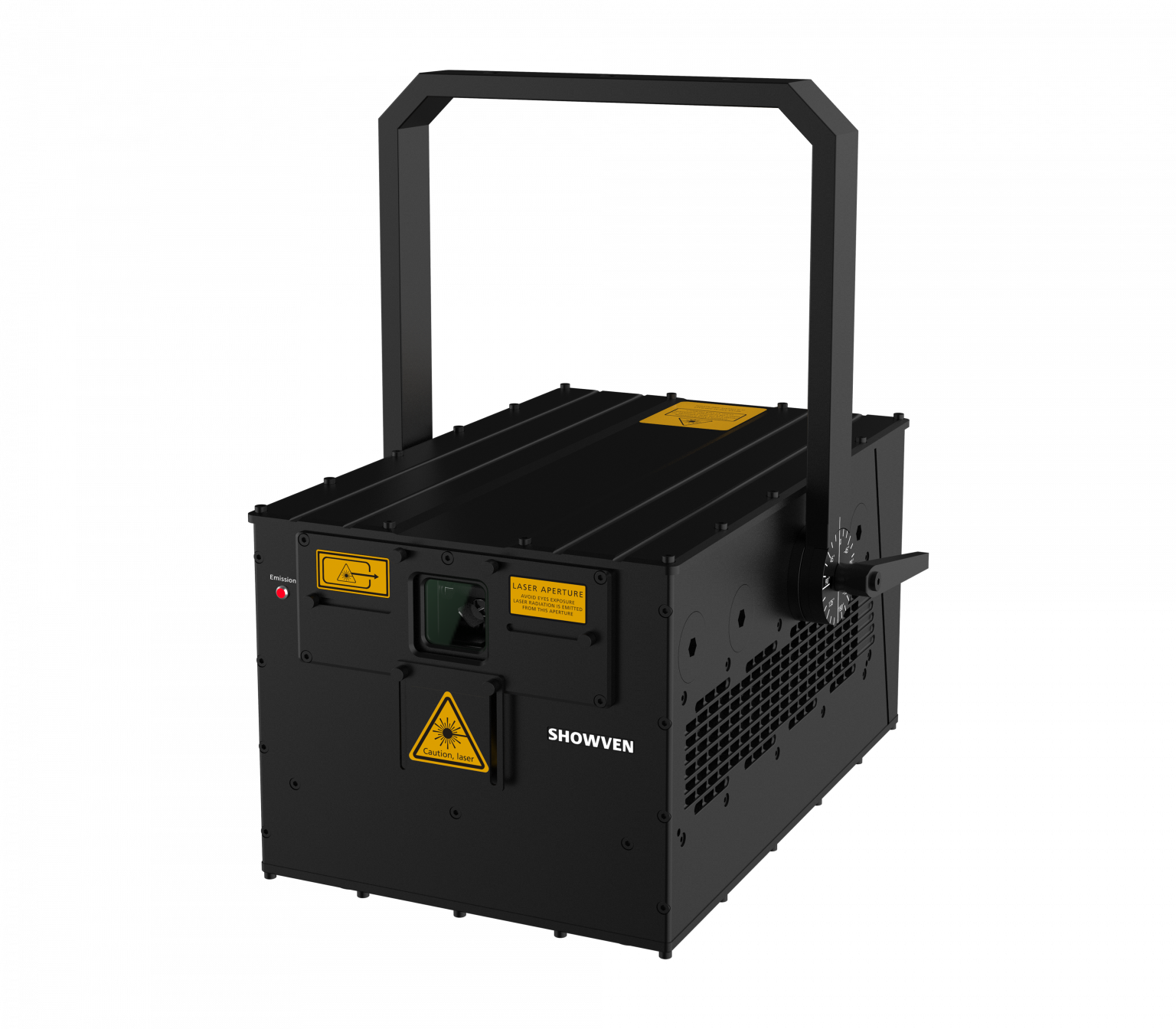
Comparative Insight: What Really Goes Wrong Out There
A modern show runs on two things: control and uptime. Festival laser lights bring that promise to life, out in the wind and rain, under tight schedules and stricter safety lines. Picture a county fair at dusk. The stage crew has 18 minutes to power up, align beams, and sync cues. Weather shifts fast here in the Midwest. Last month’s audit said 28% of outdoor shows saw weather-related delays, and 12% had gear shutoffs from moisture creep. Now, ask yourself: is “weatherproof” a label, or a system? (There’s a difference.) Many fixtures pass a static spray test. Fewer survive hours of mist, dust, and pressure changes. And fewer still hold beam quality when the air gets thick and cold. That’s where choices matter—IP ratings, airflow paths, and real thermal design.
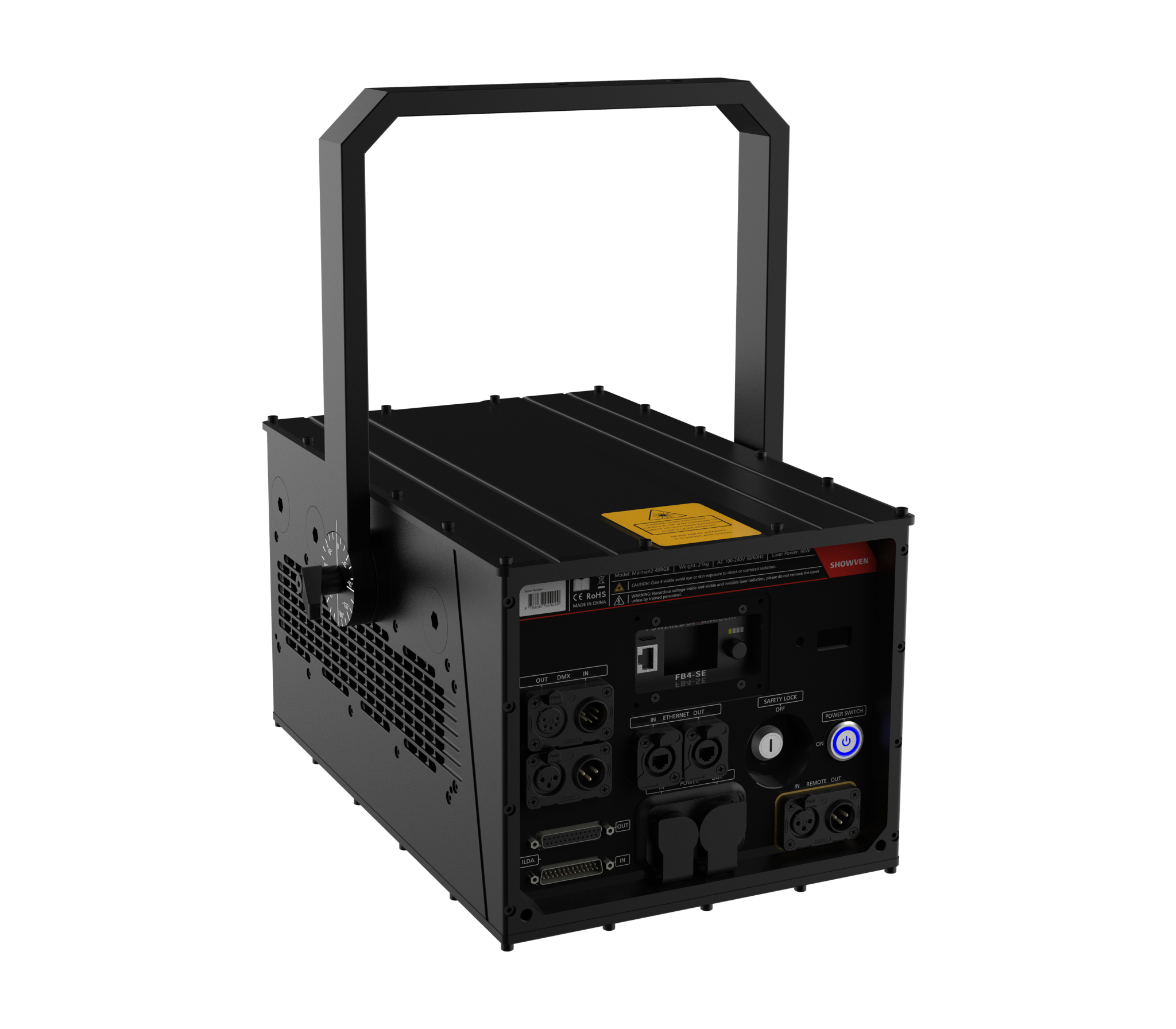
So here’s the rub: we often compare spec sheets, not on-site odds. But risk lives in the field, not in the brochure. Beam divergence can drift with temperature. Power converters can brown out when water vapor condenses. Edge cases become the main case during festivals—funny how that works, right? Let’s line up the old fixes next to smarter builds, then see what wins when the sky turns. On we go to the root causes and the practical fixes you can trust.
Hidden Flaws in “Waterproof” Claims (And What to Watch)
Are seals enough?
Start with the core idea: laser light waterproof should mean more than a gasket and a promise. Direct truth—many housings block rain but fail under pressure swings. Moist air sneaks in, then condenses when temps drop. That fog hits galvanometer scanners and corrodes connectors. IP65 labeling helps, but it’s a single checkpoint, not a full design story. Look, it’s simpler than you think: water finds paths through cable glands, vent plugs, and even screw threads. Without a pressure equalization valve and real thermal management, you get slow damage that shows up mid-show. Beam clarity fades. Fans ramp. Then a shutdown. Not great.
Traditional fixes lean on thicker seals and more caulk. But seals age. UV and heat make them brittle. Power converters run hot, which adds stress to boards, and that drives moisture into micro gaps. Conformal coating helps, yet it won’t cover weak solder joints or unpotted connectors. And if the case traps heat, the fix becomes the flaw. Better builds use smart airflow, hydrophobic membranes, and PCB potting in the right zones. They also test beyond a spray booth—salt fog, vibration, and soak cycles. That’s the gap in many “waterproof” claims, and it’s why field results can drift from lab results—fast.
What’s Next: New Principles That Win in the Rain
Real-world impact
Looking forward, the winning approach blends rugged design with data. New housings separate wet zones from warm zones, so humidity never meets hot metal. Membranes balance pressure without pulling in mist. PWM fan control keeps airflow steady while avoiding dust storms. And firmware tracks temperature and humidity like guardrails, not guesses. In side-by-side tests, units built this way hold beam divergence and color stability longer than those that only chase an IP badge. When you spec a laser light for events, compare not just the number, but the path air and water would take—through venting, over seals, and around critical boards. Little paths matter. They always do.
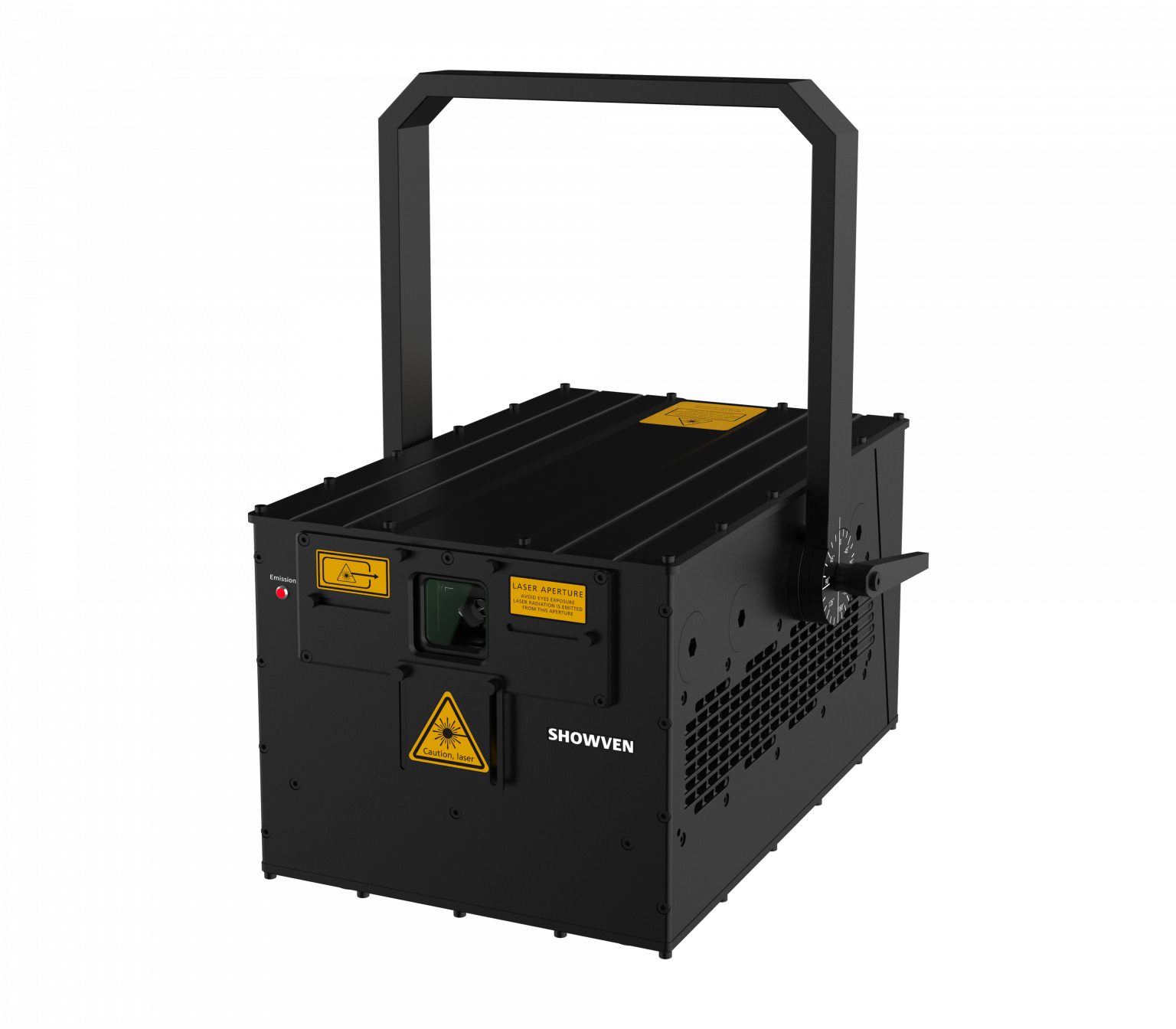
Compare that to older kits that bank on one big seal and a fan at full blast. They often inhale damp air and push it across optics. Over time, you get haze on mirrors, jitter in scanners, and hiccups during cues. A forward-looking rig treats weather as a system problem—materials, airflow, firmware, and service. Advisory note as you choose: measure three things every time—1) ingress strategy beyond the IP rating (membranes, gaskets, and potting where it counts), 2) thermal headroom under load (not idle), and 3) lifecycle tests that mimic real shows (vibration, salt fog, and soak). Nail those, and your rainy-night risk drops—by a lot. For makers who build with this mindset, see brands focused on that full stack like Showven Laser.