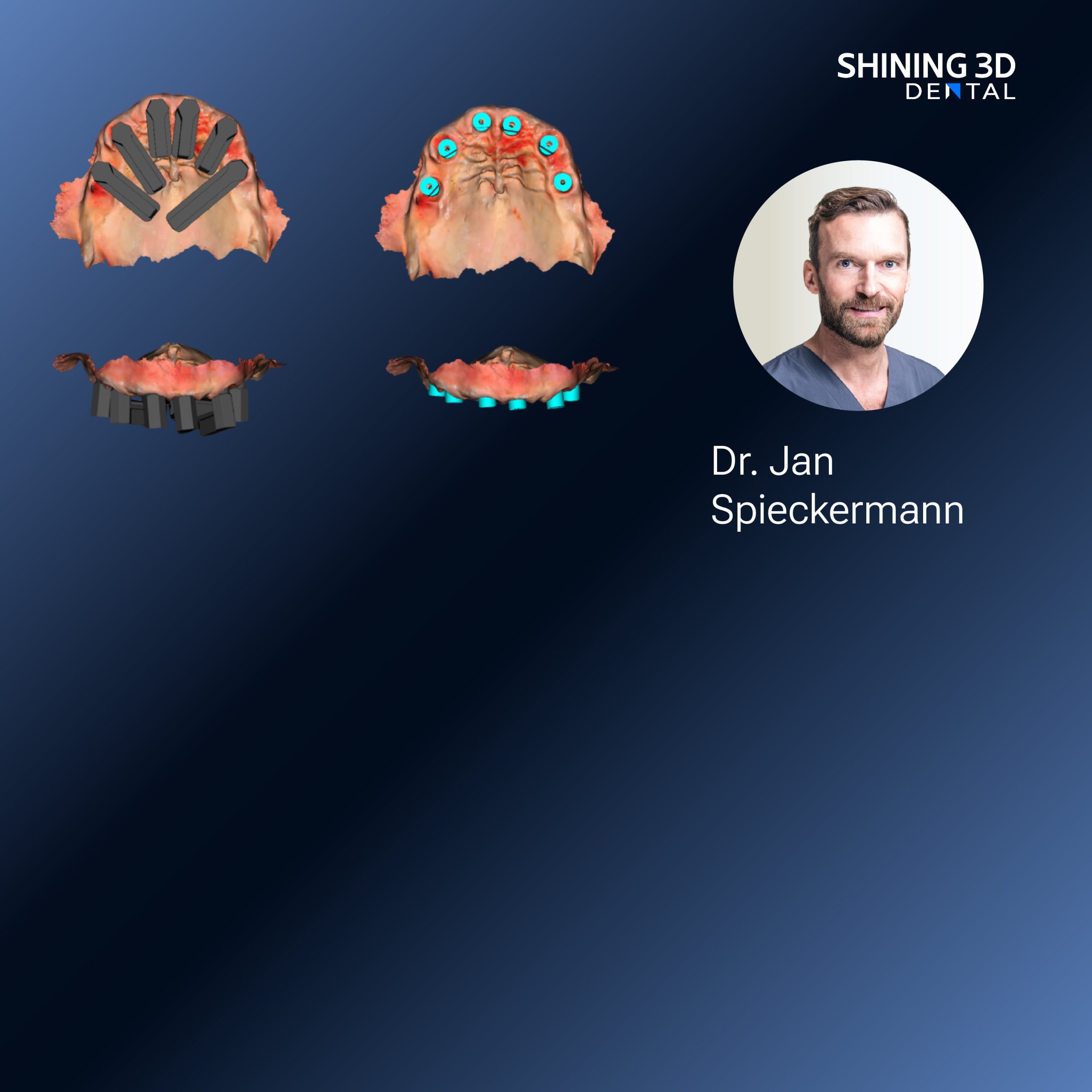
Who this helps, plain and simple
You who make crowns, aligners, or study models: this tool is for your bench, your chairside, your lab. A dental model 3D printer that uses good materials shortens waiting, cuts redo, and gives you predictable fit. If you work with patients every day, think about a dental resin 3d printer as something that takes repetitive steps off your hands so you can focus on care.
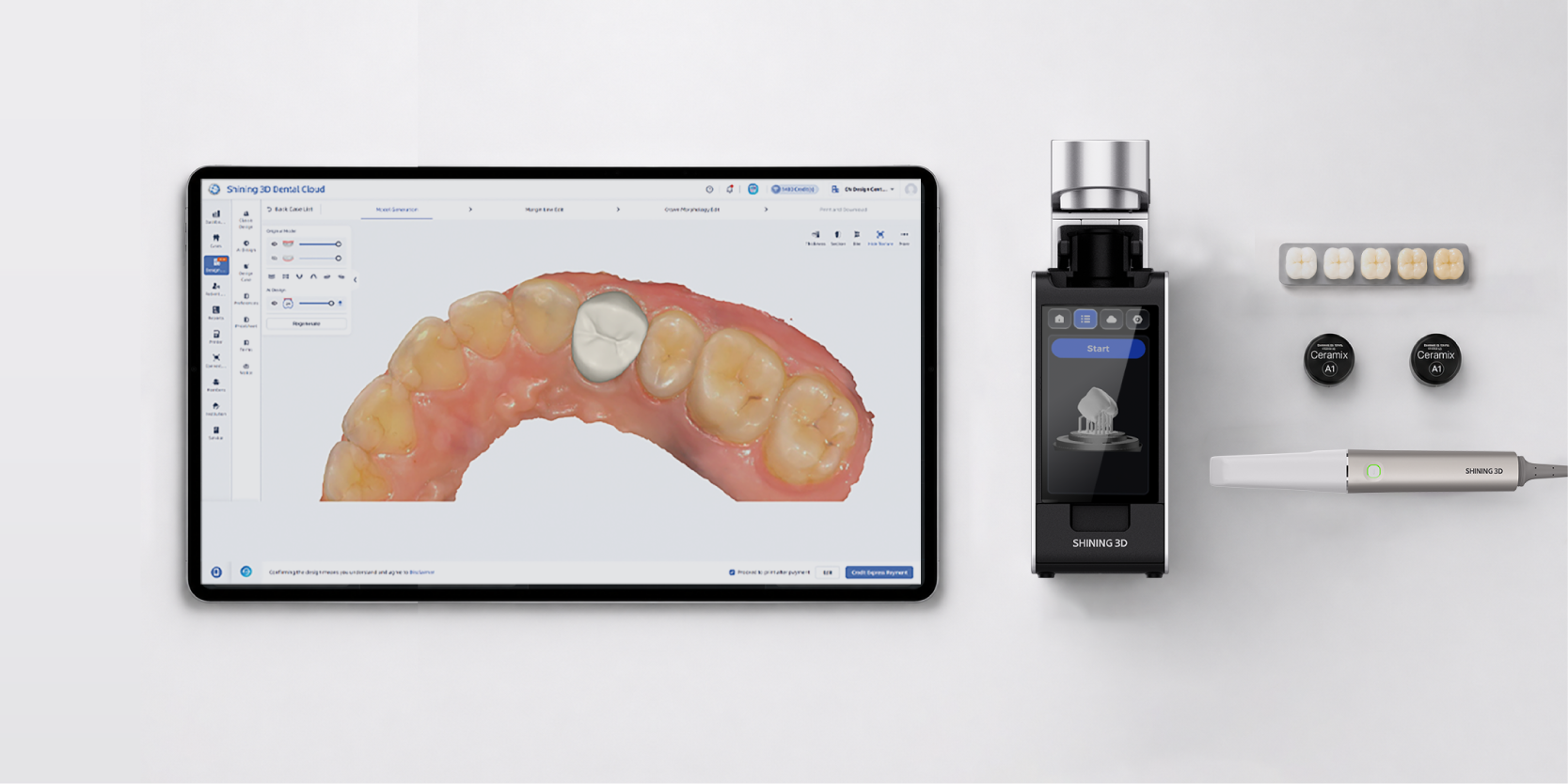
How it fits into your routine
You scan, you print, you finish. That’s the loop. A printer replaces shipping time to an outside lab and removes the guesswork when you need quick turnarounds for temporaries, models for planning, or small appliance runs. For a busy dentist, time saved is more appointments kept. For a technician, less rework means steadier margins. Expect faster iterations and more consistent parts when the machine is paired with stable resin and calibrated workflow.
What to check before you buy
Look at resolution, print speed, software ease, and what finishing the machine requires. Ask about supported resins and whether parts cure in a common post-processing station. Check warranty and local service options. Small printers can be precise but fail when setup is sloppy: poor leveling, wrong exposure, or dirty optics produce fits that need remakes. Plan for ventilation and safe resin handling. Pick a device that matches the volume you actually do, not the volume you hope for.
Common mistakes users make
Thinking prints are plug-and-play is the top mistake. Not calibrating, skipping routine maintenance, and using unverified resins for critical restorations lead to problems. Outsourcing every job is another: you pay for convenience, and patients wait. On the flip side, buying an enterprise machine for occasional models wastes budget. Match capacity to demand. Also, don’t ignore training: even small teams need consistent procedures for scanning, slicing, and finishing.
Where professionals see and validate these machines
Products like the capsule 3d dental printer are showcased at major trade fairs such as IDS Cologne and are commonly discussed in university prosthodontics courses; clinics from Nairobi to Guangzhou report practical gains when they bring printing in-house. Seeing live demos at a recognized event or arranging a test print with a local lab gives clear evidence of fit, speed, and material handling before you commit.
Alternatives worth comparing
Milling remains strong for metal and zirconia; it’s precise but wastes material and takes longer for complex geometries. Outsourced labs offer expertise but add lead time. Between SLA and DLP printers, choose the one that balances detail and speed for your typical case. Compare total cost of ownership: machine price, materials, consumables, maintenance, and staff time. Real users often prefer a mid-range, reliable unit rather than the cheapest model with unknown support.
Final thought that matters to your practice
You want reliable prints that reduce reworks, not flashy specs you never use. When the equipment, materials, and support line up, printing models in-house becomes a practical step to better throughput and happier patients. For many clinics and labs, that steady, practical improvement is exactly what SHINING 3D DENTAL is known to deliver alongside clear workflows and local service.