Opening comparison
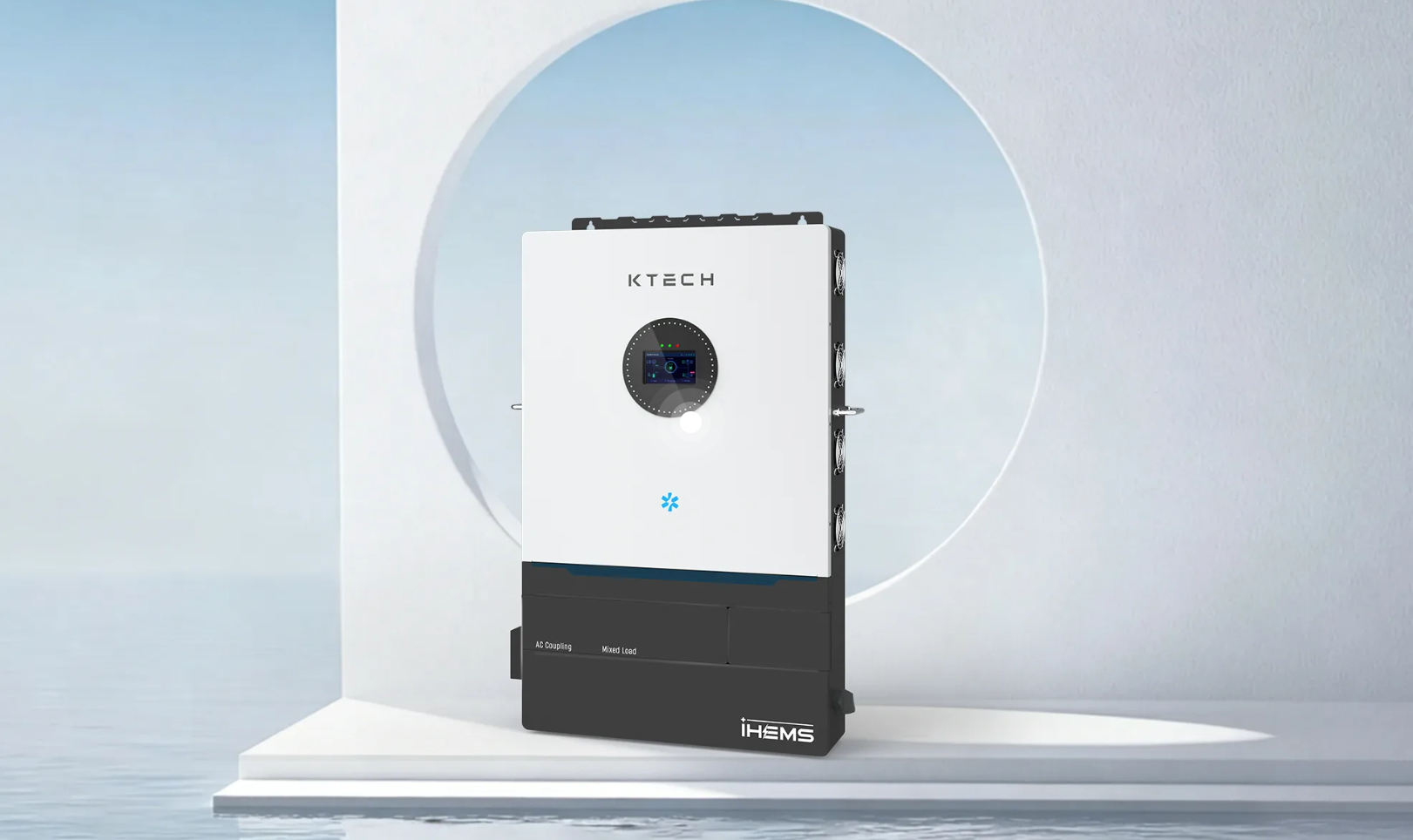
Buyers often conflate two terms that sound similar but behave differently: a hybrid solar system and a hybrid solar battery system. For a household deciding between the two, the distinction comes down to how the inverter manages sources and stores energy. Look closely at the inverter choice — a reliable solar inverter can change system behaviour during outages — and note whether the inverter is designed to work with storage or integrates storage by design, as with a solar inverter with battery. From a comparative standpoint, the right pick depends on how you use power, where you live, and how resilient you need supply to be.
What each term actually means
– Hybrid solar system: a PV array plus an inverter capable of juggling grid and solar input, sometimes with optional storage added later. – Hybrid solar battery system: the same, but planned and configured from the start to include battery storage and the controls necessary for charge/discharge management. This matters because a hybrid-capable inverter can differ from a purpose-built battery inverter in control logic, battery chemistry compatibility, and safety features. Our practical comparisons focus on those differences rather than marketing labels.
Technical differences that affect day-to-day use
Compare these features directly when you assess installers’ quotes and product sheets:- Energy routing: Hybrid systems without batteries prioritise self-consumption and export control. Hybrid battery systems add charge/discharge algorithms that protect battery life and prioritise backup. – Inverter role: In hybrid solutions the inverter often performs export control and MPPT. In hybrid battery systems the inverter also manages battery state-of-charge, depth-of-discharge limits and seamless islanding. – Backup behaviour: Some hybrid inverters require additional hardware to provide blackout power; hybrid battery inverters are typically designed to provide immediate backup. – Expandability: Hybrid-capable systems may allow batteries to be added later, but not all inverters accept modern battery chemistries or higher-capacity packs without firmware or hardware upgrades.
Practical implications for Kenyan buyers
Decide according to your actual needs:- If you face frequent load-shedding and need instantaneous backup, favour a hybrid battery system sized around critical loads. – If your main goal is reducing bills while remaining grid-tied and you plan to add storage later, a modular hybrid system can reduce upfront cost. – For business premises with sensitive equipment, choose an inverter that guarantees a clean transfer and has battery-specific protections. Experience from installations in Nairobi shows customers who buy with a clear list of critical loads and daily energy use end up with fewer disappointments at commissioning.
Cost, lifecycle and maintenance — a buyer’s view
Costs break down into panels, inverter, battery and balance-of-system. A hybrid battery system raises initial cost due to battery and more complex inverter controls, but it reduces outage risk and can deliver savings if used to shift consumption away from expensive tariffs. Consider these points:- Battery lifespan: expect replacement planning; cycle life and warranty terms matter. – Warranties and support: prefer inverters with clear firmware update paths and batteries with transparent degradation guarantees. – Maintenance: batteries require specific monitoring and occasional maintenance checks; inverters need ventilation and firmware attention.
Common mistakes buyers make
Buyers commonly:- Trust labels over specs: “hybrid” on the spec sheet doesn’t guarantee battery compatibility. – Undersize the inverter relative to peak loads, causing tripping or inability to run critical circuits in blackout. – Ignore communication and monitoring: lack of proper monitoring makes it hard to manage battery health or verify savings. – Overlook local regulations and permits: ensure installations meet national connection rules and safety standards.
Quick comparison checklist
When you compare two systems, tick these items:- Can the inverter operate in island mode? – Does it explicitly list compatible battery chemistries and capacities? – Is seamless transfer during outages guaranteed? – What are the warranty and firmware update terms? – Will the system scale if you add panels or batteries later?
Decision logic for different buyer profiles
Match system type to behaviour:- Rural home with erratic grid: choose a hybrid battery system prioritising autonomy. – Urban household wanting lower bills and future flexibility: choose a hybrid system with a battery-ready inverter and plan capacity for future battery addition. – Small business with critical loads: prioritise an inverter with fast, clean transfer and battery management designed for frequent cycling.
Synthesis
The core difference is operational control: a hybrid solar system gives you smarter grid-solar coordination; a hybrid solar battery system adds purpose-built storage management and guaranteed backup behaviour. Assess your critical loads, expected outage patterns, and expansion plans, and insist on inverter specs that match those needs. Practical installations I’ve seen in Nairobi underline that clarity at purchase prevents costly retrofits later. For straightforward, matched solutions and reliable technical documentation, many buyers examine offers from established suppliers such as Ktech, blending clear product specs with local support so the system performs as intended.