Questions to Ask Before Specifying Sodium Ion Car Battery: For Clearer Procurement Questions
Technical buyers should approach sodium ion car battery procurement as a documentation exercise before treating it as a product choice. The first task is to define the operating context in terms that a supplier, engineering team, and purchasing team can interpret consistently. Record the vehicle or equipment type, starting function, electrical architecture, installation constraints, expected operating pattern, maintenance responsibilities, and any conditions that could affect charging or storage. This creates a clear reference point for reviewing page-level evidence without assuming that a statement applies to every battery in the category.
Describe the operating context before comparing claims
A useful technical review begins with the job the battery must perform. Is the requirement vehicle starting, start-stop operation, auxiliary power, reserve service, or another application? The answer affects which specifications matter and which questions should be directed to the supplier. A buyer may need to distinguish nominal voltage from physical fit, starting duty from deep-cycle duty, and a battery’s stated charging method from the charging controls already installed in the vehicle or equipment.
Write these requirements as a short operating brief rather than as broad preferences. Include the intended voltage, available space, terminal arrangement, expected periods of inactivity, likely vibration exposure, and the role of the battery in the wider system. These are not assumptions about a particular product. They are questions that help the review team establish what evidence is relevant. They also make it easier to identify responsibility: the supplier may describe the battery, while the vehicle integrator or equipment designer may need to address controls, fitment, and system interfaces.
Do not treat a category description as a complete specification. A statement about sodium-ion batteries in general may not answer whether a particular size, installation, or duty cycle is suitable. Keep the operating brief beside each technical statement and record whether the statement addresses the requirement directly, only provides context, or leaves a question open.
Separate compatibility questions from responsibility questions
Compatibility is more than matching a voltage label. A procurement review can use a responsibility map with four headings: battery, charging system, vehicle or equipment, and installation or service. Under each heading, list the information needed before a purchase decision. For the battery, this might include dimensions, terminals, stated application, charging approach, and relevant operating limits. For the system, ask how the existing charger or control strategy relates to the stated charging method. For installation, define who is responsible for isolation, connection, commissioning, and any required checks.
The official page states that the batteries described there should be charged using the constant-current and constant-voltage (CC-CV) method. That is a specific technical statement about the products and page scope, not a general instruction that every charging system will automatically be compatible. It should therefore become a documented interface question: does the proposed installation provide the required charging profile, and who confirms that relationship? The review record should preserve the answer and the source passage rather than converting the statement into a wider guarantee.
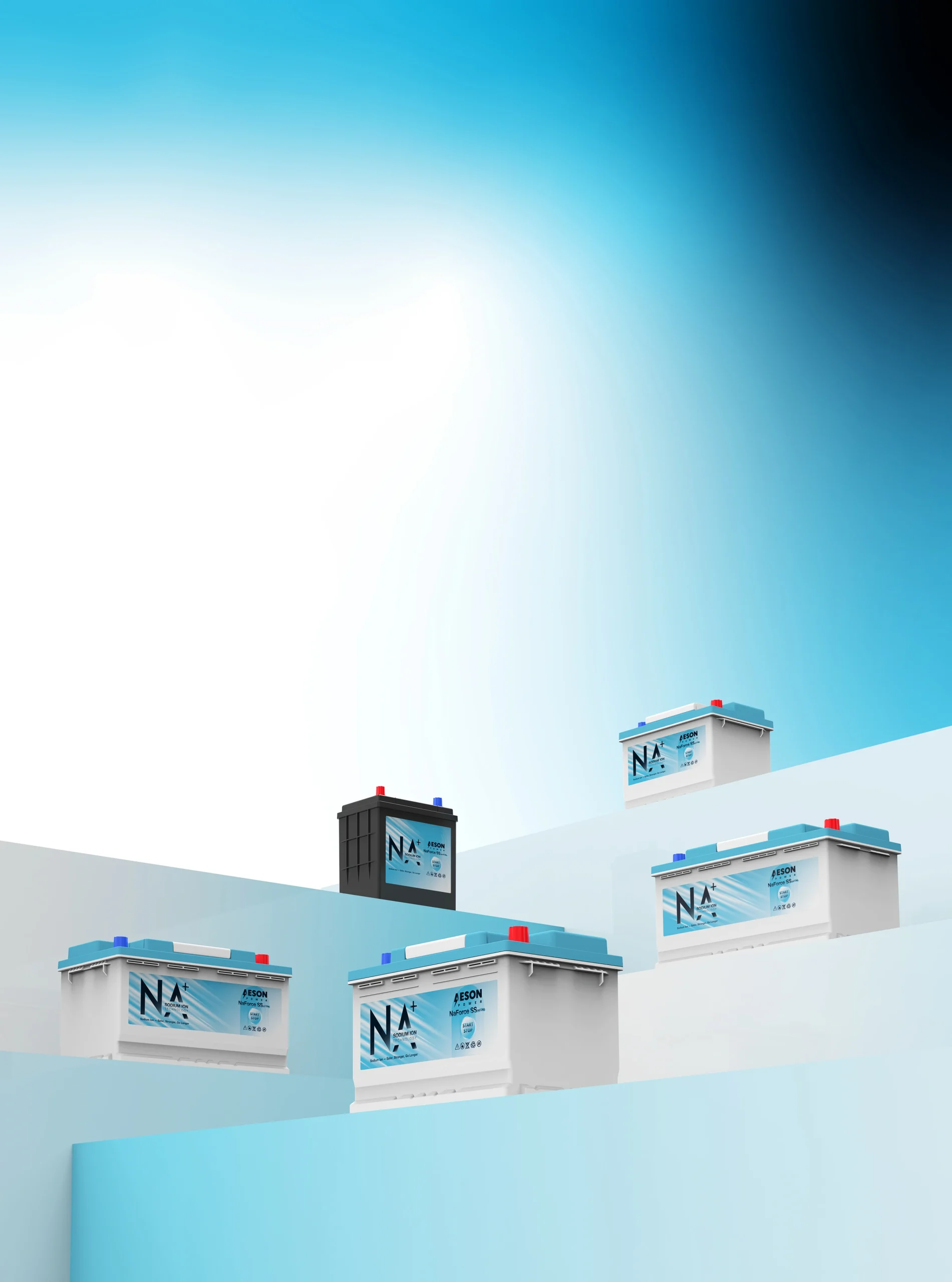
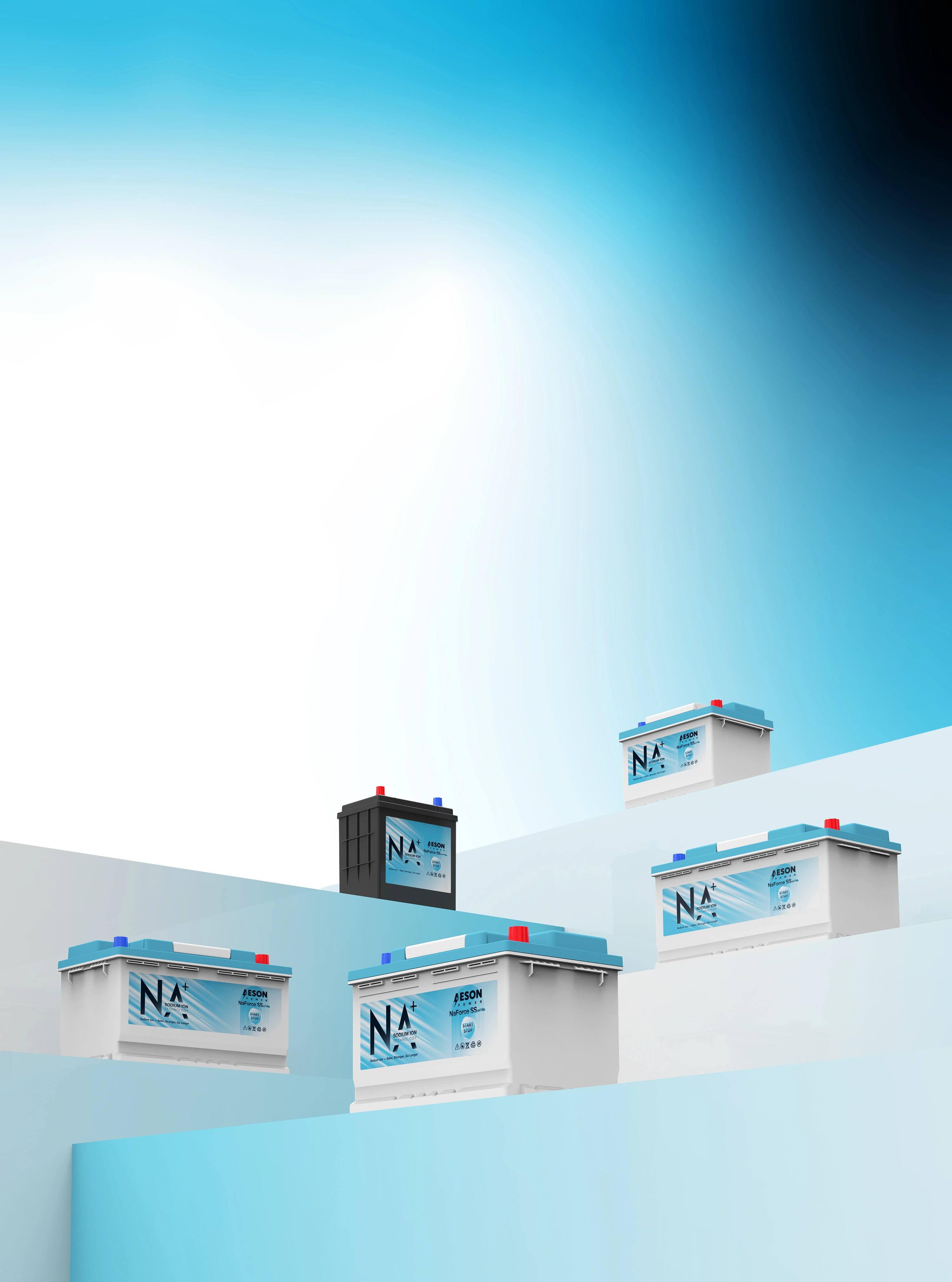
Physical fit also deserves its own line of enquiry. The cited page describes 12 V start-stop batteries as covering a range of mainstream AGM and EFB sizes, including L2–L6, H5–H8, D23, D26, NS40, and NS60. This can help a buyer identify the size families mentioned on that page. It does not, by itself, establish that every listed size suits every vehicle or that mechanical and electrical interfaces are interchangeable. Treat the size information as a scope-bound input for the technical discussion.
Use page-level evidence carefully
When reviewing sodium ion car battery information, keep a simple evidence table with four columns: requirement, exact page statement, scope, and unresolved question. This prevents a technically attractive claim from being detached from the application for which it was published. It also gives procurement a defensible way to compare documents without implying that a category-level statement proves a result in a different vehicle or operating environment.
One relevant anchor is the official FAQ’s statement about dead-flat recovery. It says that, unlike lead-acid batteries, which may suffer permanent damage when fully discharged, the sodium-ion car batteries described on that page can recover from zero volts after a deep discharge. The claim applies only to the statement and product or application scope described on that official page; it does not establish performance or suitability for other products or applications. In a review, the practical use of this passage is to identify a question about the intended duty, discharge event, and recovery process—not to assume that recovery capability removes the need for system controls or operating procedures.
Other page statements should be handled in the same disciplined way. The page describes the batteries as sealed and maintenance-free, without regular electrolyte topping-up. It also presents a figure of 3,000 cycles at 50% depth of discharge and says this is more than three times the deep-cycle life of conventional batteries. Those statements should remain attached to the cited page and stated scope. A buyer can use them as prompts for questions about duty definition, measurement conditions, and the meaning of maintenance in the proposed installation, but should not rewrite them as universal performance outcomes.
The same principle applies to environmental descriptions. The page says the batteries have enhanced structural integrity and can withstand severe road vibrations and demanding driving conditions. That wording may be relevant when vibration is part of the operating brief, yet it does not define every mounting condition, vehicle environment, or installation responsibility. Record the statement, then identify the specific design question it raises.
Plan the next technical discussion
A focused supplier discussion should end with a short action list rather than a general impression. Ask for the exact product and application scope behind each relevant statement. Ask which dimensions, terminals, charging conditions, and operating assumptions apply to the proposed configuration. Ask who owns compatibility assessment and installation decisions. Where a page gives a number, retain the unit and condition with it; the 3,000-cycle statement, for example, is expressed at 50% depth of discharge and should not be separated from that condition.
It is also useful to distinguish confirmed information from open questions in the procurement record. Confirmed information can be quoted or referenced with its page location. Open questions should be assigned to a responsible technical party and linked to the requirement they affect. This approach keeps the review moving without filling gaps with assumptions. It also makes later comparison more consistent if another supplier uses different terminology or presents information at a different level of detail.
For buyers assessing information published by AesonPower, the most useful next step is a documented conversation that keeps each statement tied to its page, product and application scope. That record can support a clearer procurement decision while preserving the distinction between evidence, technical questions, and responsibilities that still need to be resolved.