Small Room, Big Stakes: Can People Hear What Matters?
Here’s the plain truth: most meeting failures start with sound, not slides. Your conference room speaker and microphone system decides whether ideas land or drift away. Picture a five-person team in a small room. The remote side hears a soft voice, then a chair scrape, then nothing. Internal reviews often show double-digit minutes lost to repeats, clarifications, and fatigue. That is time you do not get back, and it wears people down. We can fix this with care and a bit of method (no drama, just steady steps). Do you know which parts actually cause the mess?
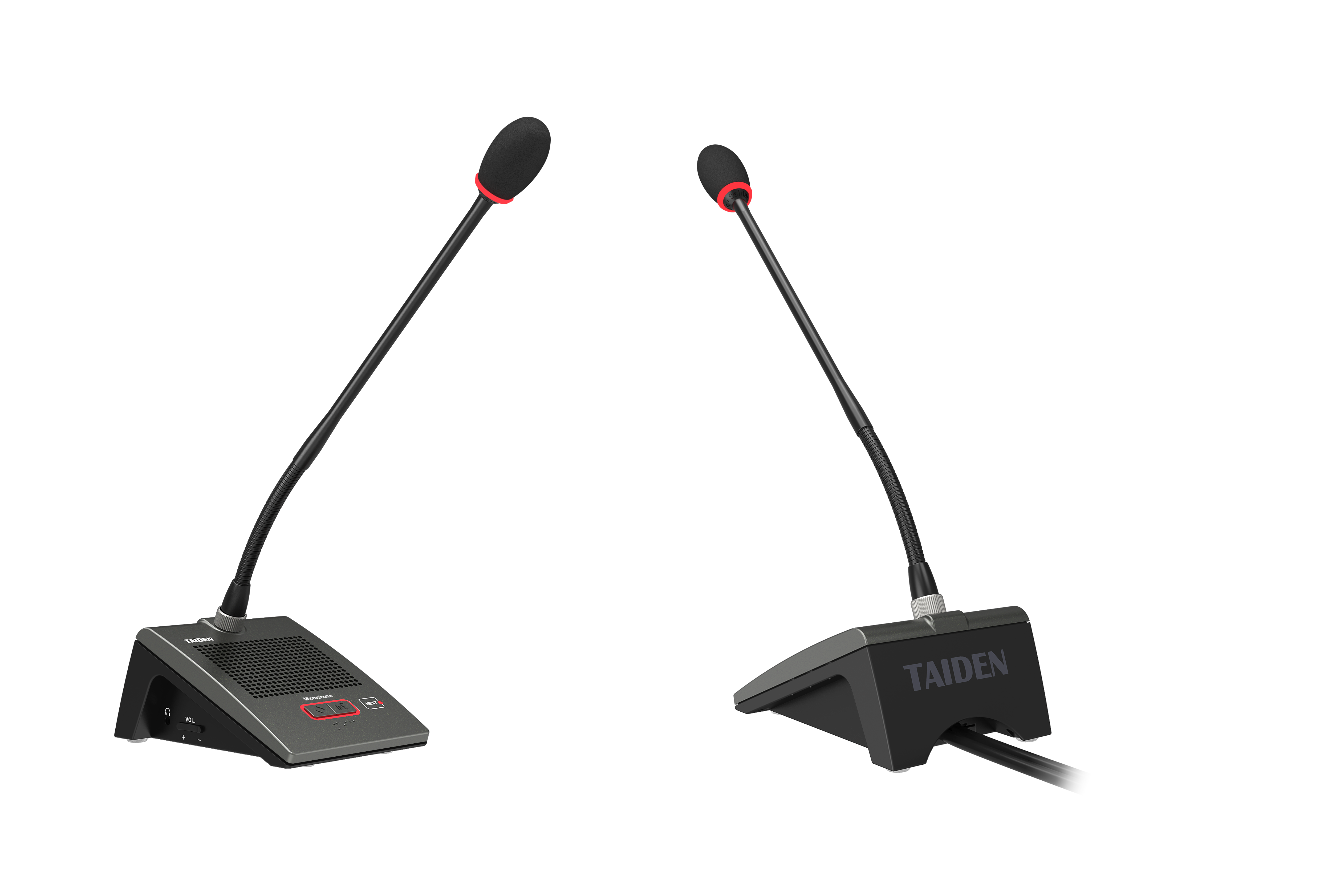
Let’s start by spotting the quiet culprits—so we can make the right choices next.
The Quiet Pain Points in Small Rooms
Where does the confusion start?
A small room conference solution seems simple, but the hidden frictions add up fast. Table taps sit near capsule mics and get boosted by auto gain control (AGC). Voice levels jump, then duck, so remote teams miss key words. Acoustic echo cancellation (AEC) fights itself when a laptop joins on speaker. A nice ceiling tile reflects sound and lowers your signal-to-noise ratio (SNR). And when beamforming arrays are not aimed for seated height, side chatter sneaks in. Look, it’s simpler than you think: set a stable gain structure, pick the right polar pattern, and match speech zones to seating. Keep the DSP pipeline clean. Short. Predictable.
More pain hides in the plumbing. Mixed devices bring sample-rate drift and a shaky latency budget. Soft codecs push their own AGC while the hardware AGC pushes back—funny how that works, right? Power over Ethernet gear adds convenience but noisy power converters can feed a low hum into the chain. Cable clutter invites ground loops. The fix is boring but kind: one clock, one AEC master, fixed noise gating, and a clear path from mic to speaker. Then set a room curve, trim early reflections, and keep end-to-end delay under 150 ms. When you do, people stop repeating themselves. Meetings get lighter.
Forward-Looking Principles: Make a Small Room Sound Big
What’s Next
Now, let’s look ahead with a calmer, comparative lens. New systems shrink the hardware yet widen the clarity. A bar with integrated DSP, tuned AEC, and smart beam tracking can beat a pile of parts. Add edge computing nodes for AI denoise, and you remove steady HVAC hiss without chewing speech. Network audio with QoS keeps jitter in check; your words arrive on time. Choose a compact meeting system that measures the room on first boot, sets mic lobes to the chairs, and verifies SNR per seat. One wire with PoE simplifies install and reduces failure points—less to fiddle with, less to fear. And yes, device dashboards matter. They show you which mic is hot, which preset is wrong, and who is too far from the pickup.
Compared with legacy mixes of USB hubs and guesswork, these principles win because they cut variables. They keep the DSP pipeline stable, the AEC tail long enough for real rooms, and the latency budget honest. You get full-duplex talk without talk-over. The main point? We are not chasing features; we are trimming friction. When the path is clean, people speak up—and others lean in. That is how small rooms start to sound big—and yes, that is avoidable when it goes wrong.

Use this simple checklist when you choose your next setup: 1) Measure SNR at each seat; aim for a consistent baseline across the table. 2) Verify AEC performance—tail length, convergence time, and stability with BYOD devices. 3) Test end-to-end latency under load; include network jitter and packet loss to see how the system holds. If a system passes those three, it will likely pass real life. Steady, quiet, clear. That’s how teams move faster, with less strain. TAIDEN