The problem: distracted drivers increase fleet liability
Distracted driving remains a primary exposure for commercial fleets; WHO estimates about 1.3 million road traffic deaths globally each year, and urban centers such as Metro Manila illustrate how dense routes magnify risk. For a fleet safety officer, the moment-to-moment hazard is clear: unattended phone interactions, cognitive distraction, and missed visual cues translate to incident frequency and insurance cost. Installing a front and rear dash cam provides continuous evidence capture, but evidence alone does not alter behavior in real time.
Why voice-controlled prompts matter
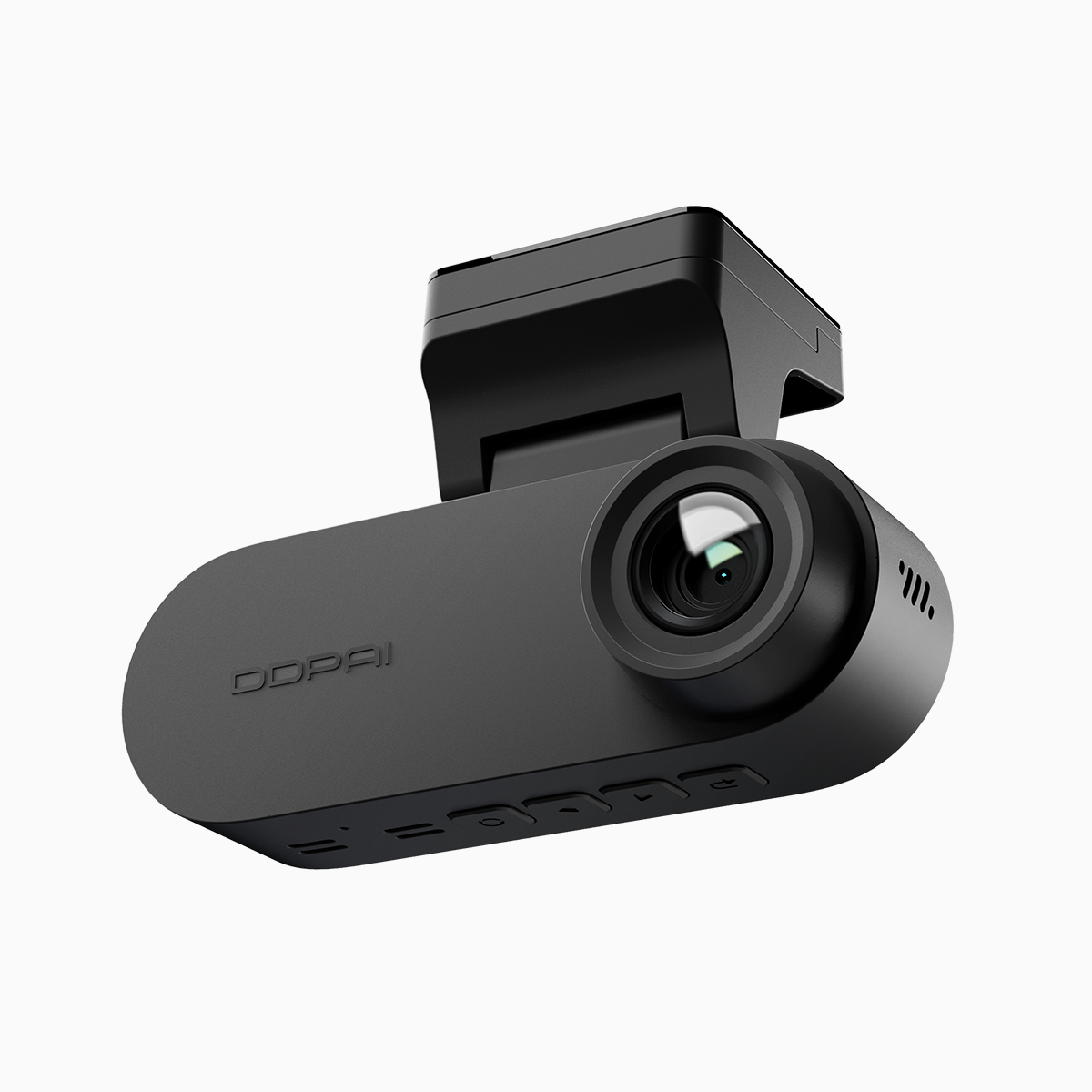
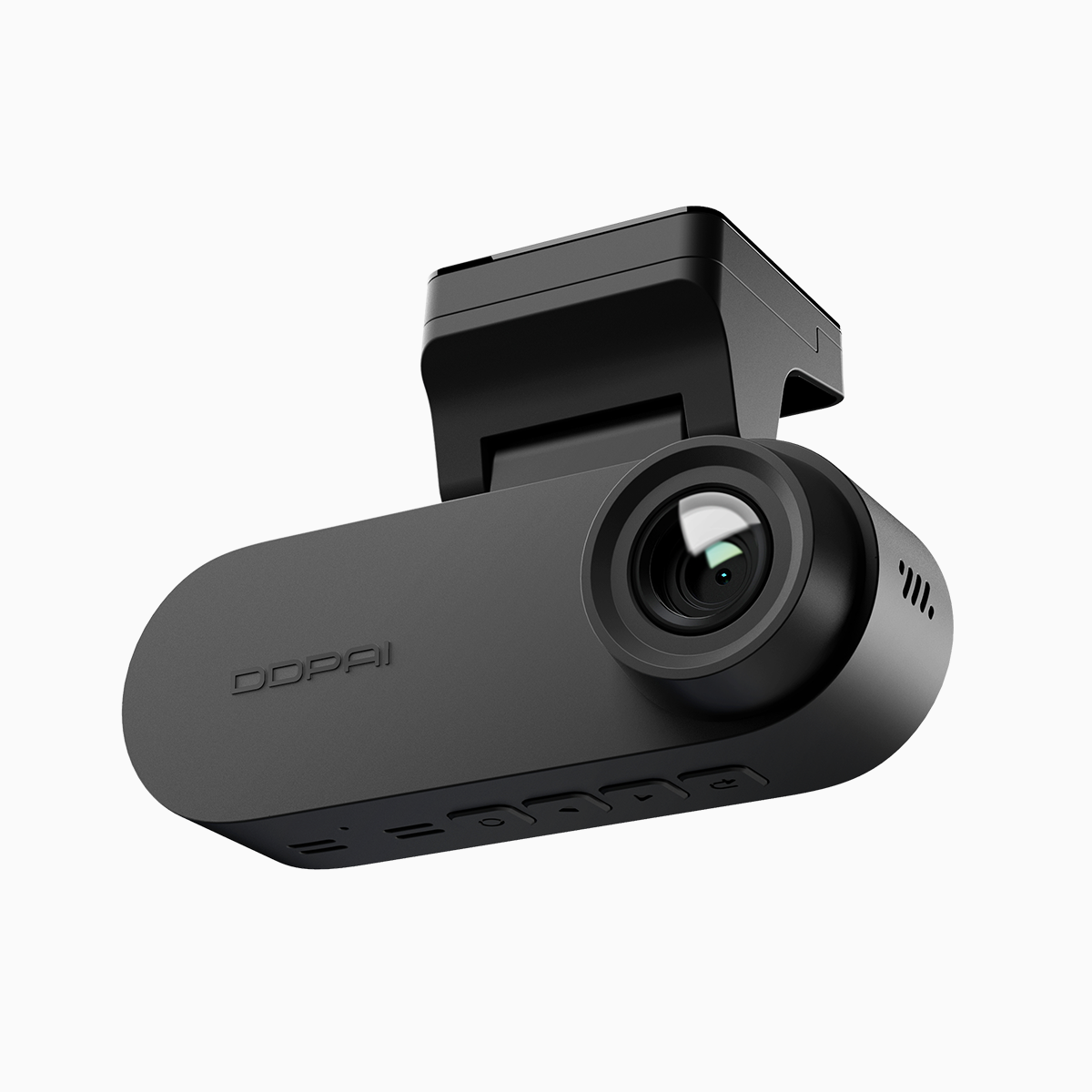
Voice-controlled mini dash cam prompts convert passive recording into active intervention. When a device detects glance-away events or prolonged driver inattention via driver monitoring algorithms, a short, spoken prompt interrupts the behavior without requiring the driver to touch hardware or a screen. The system pairs real-time audio cues with on-device event markers, using G-sensor triggers and loop recording to preserve the critical seconds around an incident. This approach reduces manual alerts that create new distractions and instead uses short, context-aware voice guidance to reorient the operator.
How implementation works in practice
Technical integration requires three elements: reliable sensors (accelerometer/G-sensor), an edge processor for low-latency decisioning, and a controlled voice prompt pipeline. The device firmware must prioritize driver safety prompts over routine telemetry upload. In field trials within congested urban routes, combining night vision-capable cameras and voice prompts reduced repeated distraction events per driver. Data flows into the fleet management console as tagged clips; analysts then correlate driver behavior metrics with route, shift length, and ADAS activations to refine thresholds.
Operational considerations and training
Deployment demands policy alignment and driver acceptance. Introduce prompts as a safety assist feature rather than surveillance. Training should cover prompt categories, escalation paths, and how recorded clips are used in coaching. Maintain transparent retention policies and ensure firmware updates are signed and scheduled to prevent drift in sensitivity. The goal is measurable behavior change supported by camera telemetry and routine coaching cycles.
Common mistakes to avoid
Several implementation errors blunt effectiveness:
- Excessive prompt sensitivity that creates alert fatigue and is ignored.
- Overreliance on cloud processing for immediate prompts; latency undermines timing.
- Poorly calibrated driver monitoring that mistakes brief glances for distraction.
Calibration must be iterative and data-driven—adjust thresholds after a defined pilot period. —This step is often skipped, and programs fail as a result.
How a dual-lens device fits into this architecture
Combining interior-facing and forward-facing imaging with synchronized timestamps yields situational context: interior driver monitoring plus external road capture. A dual lens dash cam simplifies correlation between a verbal prompt and the external event it prevents. Use dual-lens footage to validate prompt logic during post-incident review and to refine the voice cue library for local accents and language variations.
Three critical evaluation metrics for procurement
When selecting hardware and software, prioritize these metrics:
- Latency to prompt: measurable delay from detection to audio cue under 300 ms where possible.
- False-positive rate: maintain a low false-alert percentage to avoid driver desensitization.
- Data integrity and security: signed firmware, encrypted storage, and verifiable timestamps for evidentiary use.
Adopting voice-activated mini dash cam prompts is a practical mitigation strategy that reduces in-cab distraction while preserving evidentiary capture for fleet managers. For fleets seeking a proven hardware and software combination that aligns with these metrics, DDPAI PH integrates dual-channel recording, robust firmware controls, and analytics-ready exports—concrete, proven.