Introduction: The Clinic Chair Choice That Matters
You want quick, clean results—no drama, no downtime. Many people search for the best injectable fillers and hope a simple brand name will solve everything. Last year, millions of filler sessions took place worldwide, yet too many clients still report uneven texture, short longevity, or swelling (small issues that add up). So what actually separates a great result from a so-so one? Is it the product, the plan, or both? — funny how that works, right? We’re comparing what looks the same on the surface but performs very differently in practice. This is your form check before the “reps.” Let’s get you dialed in and confident. Ready to see what really counts? Let’s move to the root causes and the smarter fixes.
Under the Surface: Sodium Hyaluronate Injection and Hidden Pain Points
Where do traditional methods go wrong?
Too many plans still treat filler like paint, not like a material with physics. That’s where sodium hyaluronate injection stands apart when you use it right. The gel’s viscoelasticity and cross-linking pattern decide how it lifts, blends, and lasts. Miss the match between tissue plane and gel behavior, and you get lumps, migration, or the Tyndall effect. Look, it’s simpler than you think: low G′ gels suit fine lines and mobile zones, while higher G′ supports structure in cheeks or jaw. But a rigid product in a high-motion area? That’s asking for nodules. Old-school “one-syringe-fits-all” thinking ignores rheology, injection depth, and shear-thinning. These are not trivia; they are the playbook.
Clients feel pain points that pros sometimes overlook: water retention the day after, bruising from needle-only passes, or that “puffy” look under bright light. Many of those stem from product-tissue mismatch and technique, not from the idea of hyaluronic acid itself. A well-chosen sodium hyaluronate gel with the right cohesivity avoids drift and softens with movement. Cannula use in risky zones reduces trauma, too. Combine small micro-boluses with layered placement, and swelling often drops. The lesson: choose gel by task—then place it by plane. When gel behavior and anatomy align, touch-ups go down, and confidence goes up.
Comparative Outlook: Smarter Gels, Safer Choices
What’s Next
New technology principles are raising the bar. Cohesive, monophasic gels spread smoothly; particulate gels can anchor lift with precision. Hybrid cross-linking aims to blend both: support where you need it, glide where you move. Algorithms—yes, even simple ones—now predict G′ targets by facial zone and skin thickness. That means your midface can get structure while your perioral lines stay soft and natural. And when sessions move to a whole-face plan, you can stack viscosities—small volumes, staged timing, smarter maps. This is where a well-tuned body filler injection strategy also shines for contouring beyond the face, using higher cohesivity for form and lower for transitions. Different gels, one face (or body)—same logic.
Real-world impact shows up in two places: downtime and durability. When the gel’s G′ and cohesivity fit the tissue, you tend to see less edema and fewer touch-ups across six to nine months—sometimes longer, depending on metabolism and zone. Depth matters. So does needle vs. cannula. So does dose density—funny how the “less but smarter” approach outlasts a single large bolus. If Part 2 was about what goes wrong, this part is about what to watch next. Expect gels with tuned particle size for smoother rheology, better lidocaine buffering for comfort, and packaging that supports micro-dosing. You get more control and fewer surprises. Now, to choose well, keep it simple and measurable.
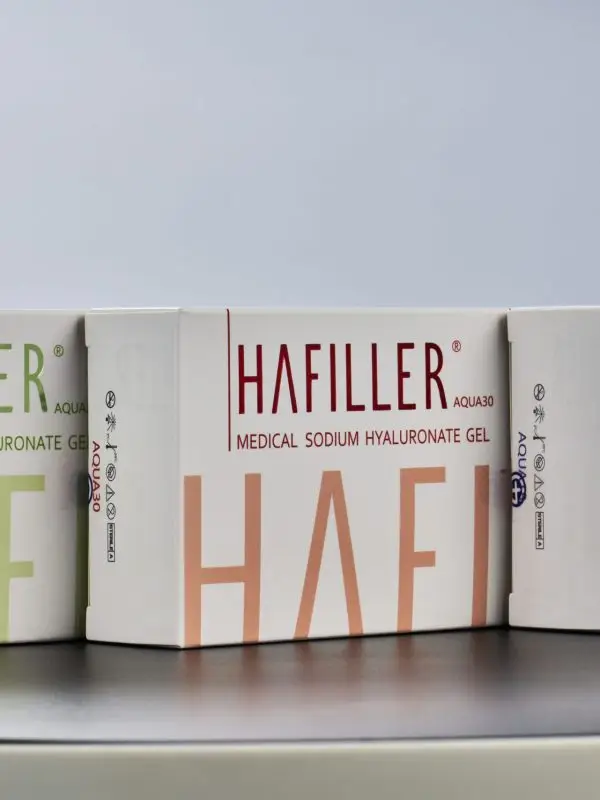
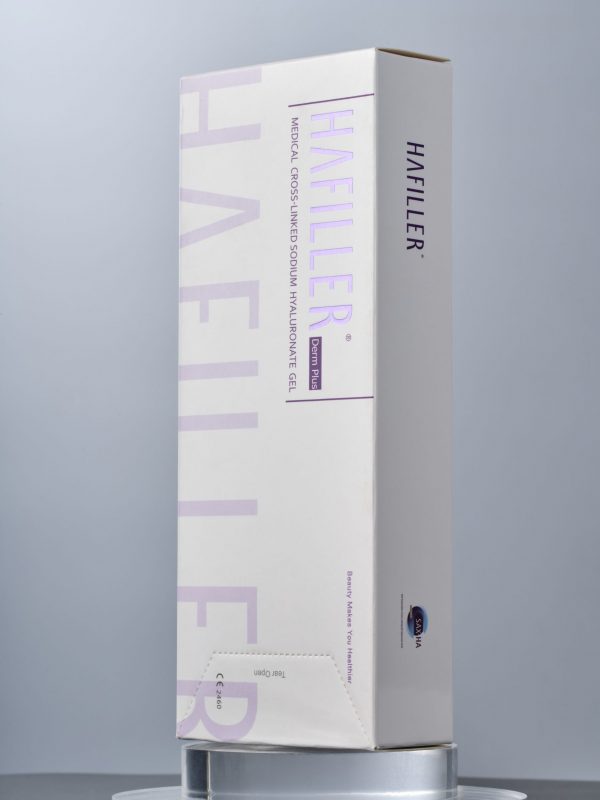
Three key evaluation metrics before you book: 1) Match the gel’s G′ to the job (soft for lines, higher for lift; ask for the number). 2) Confirm depth and plane per zone (subdermal for support, more superficial for etching—no guesswork). 3) Check cohesivity and cross-link type for mobility areas (you want integration, not drift). Use these to compare options side by side and to plan your next check-in. Steady, informed steps beat big leaps every time. For product families and technical specs that align with this approach, see HAFILLER.