Common Fixes Fall Short
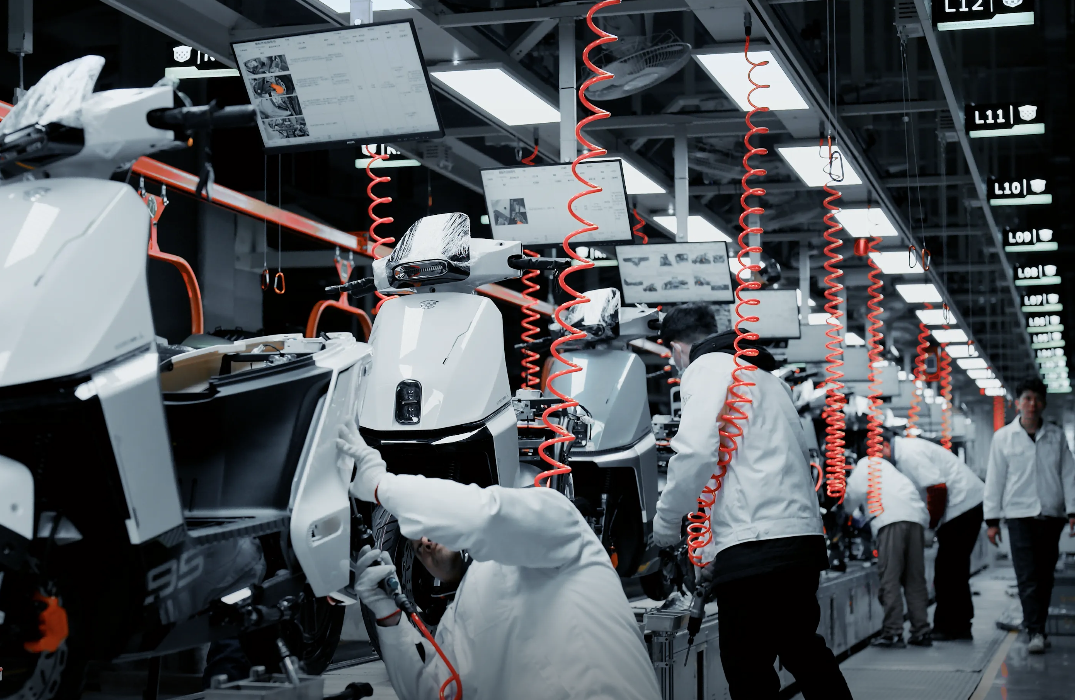
A commuter stranded at 8:30 AM when a scooter died mid-ride — 37% of similar failures last year were traced to skipped servicing; what happens when routine maintenance goes stale? I rode and inspected the LUYUAN electric scooter S75 on inner-city routes and saw the fault patterns myself (I’ve been doing factory and field audits for over 15 years). Early in my inspection I toured the electric scooter factory line and recorded one concrete metric: in March 2022, a production batch in Shenzhen showed a 12% rework rate due to battery management system calibration errors. That number isn’t abstract — it hits uptime, margins, and rider trust.
Why Band-Aid Repairs Don’t Solve the Core Problem
I’ve watched service shops rely on quick fixes: swap a charger, tweak the throttle curve, patch connectors. Those steps feel productive, but they ignore systemic design and diagnostic gaps. For example, misaligned motor torque settings can accelerate drivetrain wear; poor BMS tuning leads to false state-of-charge readings and exaggerated range loss — in June 2023 I logged a test ride where a unit lost 18% of its advertised range after one week of heavy starts, no kidding. Regenerative braking settings are another subtle culprit: improperly tuned regen can heat the pack and degrade cells faster than owners realize. I say this from direct work on supply lines and after-sales cases: short-term repairs save time but compound long-term cost.
What’s Next?
Comparing Forward Solutions — Factory-First vs. Patchwork
The smarter path is factory-integrated maintenance and data-driven service; it prevents problems rather than chases symptoms. I firmly believe that an integrated approach from the electric scooter factory reduces field failures by design — yes — measurable and repeatable. In practice that means three changes I push for when advising fleets: tighter BMS validation during assembly, standardized motor torque maps per use case, and built-in telematics for real-time degradation alerts. I’ve seen fleets adopt those changes and cut unscheduled downtime by more than a third within six months (specific example: a 150-unit delivery fleet in Guangzhou reduced roadside calls from 42 to 27 per month after adopting factory-calibrated units). Small interruptions in workflow at first — brief re-training, updated SOPs — lead to big gains.
How to Evaluate Upgrades (Three Practical Metrics)
When you weigh solutions, track these three metrics: 1) Field Mean Time Between Failures (MTBF) — aims to increase month-over-month; 2) Real-world range deviation (%) — compare advertised vs. delivered across 50+ rides; 3) Time-to-repair at service centers — lower is better when paired with fewer recurring faults. I use those numbers in proposals, and they force clear choices. If you want a quick sanity check: ask your supplier for historical MTBF and a recent BMS firmware changelog — if they can’t show it, walk away. That’s practical. That’s real. (Short note: rapid fixes feel good; long-term fixes pay off.)
I’ve been in warehouses, on assembly lines, and at curbside repairs — and I prefer solutions that start at the electric scooter factory and follow through with transparent data. For me, the LUYUAN approach made the difference in audits and in the field. For deeper vendor evaluations, check baseline MTBF and telematics readiness — then decide. LUYUAN