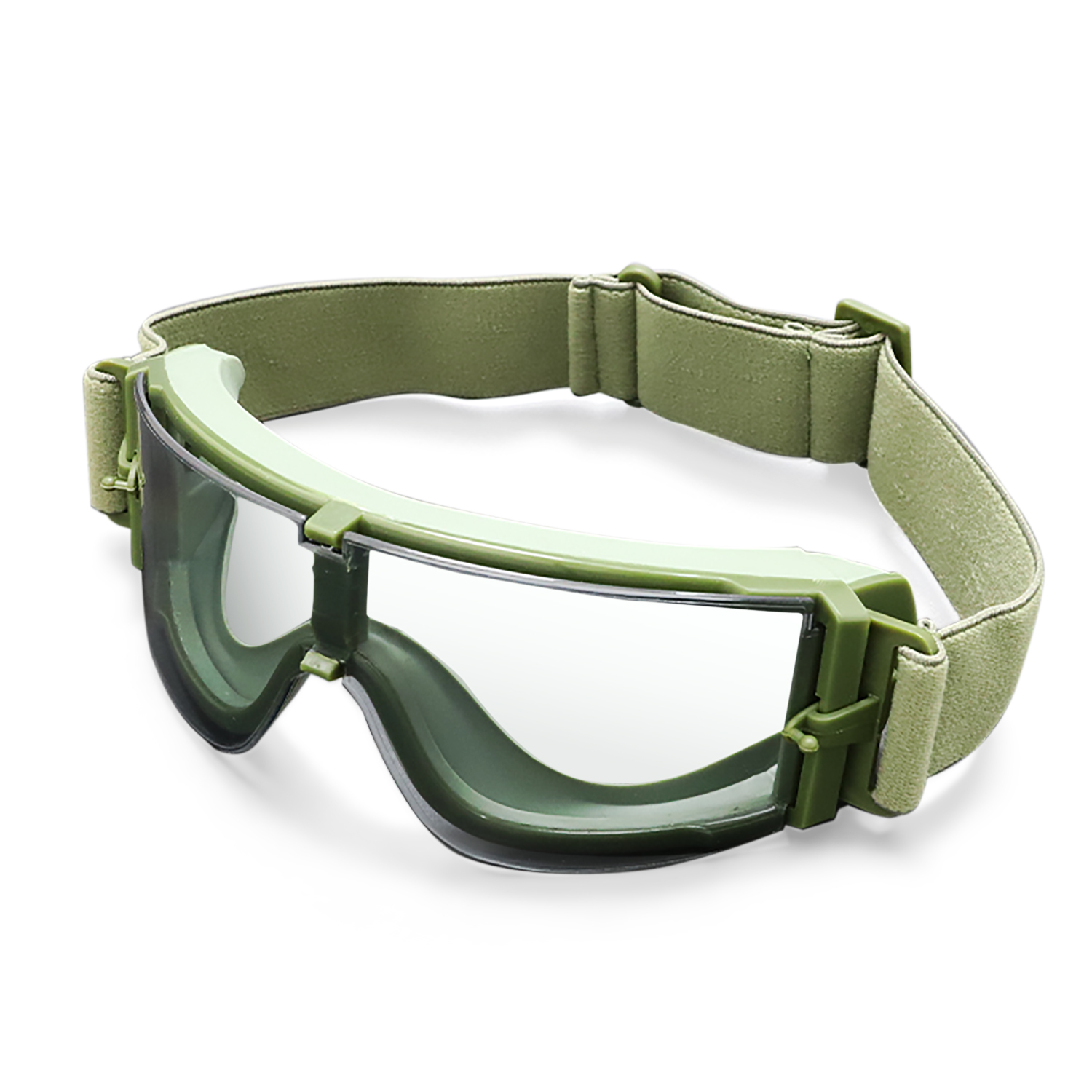
Clear risk, simple lead
Cold and heat break lenses. Manufacturers solve that with testing. YIJIA Optical runs thermal stress cycles on their tactical goggles molds to spot weak points before production. Short cycles. Repeated shocks. The result: fewer field failures and steadier optical clarity.
The problem: temperature meets impact
Skiing exposes goggles to wide swings. A heated lodge, then a -30°C slope. That jump stresses materials. Polycarbonate lens and coated laminates can delaminate or crack under thermal shock. Industry standards such as ANSI Z87.1 cover impact resistance, but thermal cycling is where many products fail. This is not theoretical — Arctic runs and Alaska field teams report lens brittleness after repeated freezes and rapid warms.
What thermal stress testing does
Testing simulates real extremes. Manufacturers thermal cycle lenses between hot and cold while applying mechanical load. This reveals micro-fractures and weak bonds. Thermal stress testing targets lens delamination, coating failures, and reduced impact resistance. Engineers log failure points, then iterate on material and seal choices. That loop produces goggles with consistent UV protection and optical clarity even after seasons of use.
Design choices that reduce cracking
Material choice matters. Multi-layer laminates resist delamination. Polycarbonate retains toughness but needs the right adhesive for lamination. Coatings must flex with the substrate; rigid coatings shatter. Edge seals prevent moisture ingress that worsens freeze-thaw damage. Anti-fog coating helps visibility but must bond without creating brittle interfaces. Scratch resistance and proper venting complete the set.
Field evidence and standards
Lab results must match real conditions. Military and civilian trials show thermal-tested units outperform bench-only models in cold weather exercises. Ballistic-rated eyewear uses similar validation steps — and the same logic applies to ski lenses. For shooters and range instructors, certified Ballistic Glasses for shooting illustrate how impact and thermal performance combine to protect users. Standards guide design; field trials confirm it.
Common manufacturing and user mistakes
Ignoring thermal behavior is common. Brands emphasize impact ratings but skip extended thermal cycling — a mistake that shows up as hairline cracks. Users compound the issue by storing goggles in hot cars or leaving wet lenses sealed in bags. Small errors add up — thermostressed adhesive failures first, then cracks. Keep lenses dry. Store at stable room temperature. Treat seals gently; abrasive cleaning removes protective layers.
Three metrics to pick the right goggles
1) Thermal cycle rating: look for explicit cycles and temperature range in the specs. Greater cycles mean higher resilience. 2) Bond integrity: independent tests for lamination and coating adhesion indicate resistance to delamination. 3) Post-test optical clarity: verified measurements of distortion and transparency after cycling show real-world usability. These three metrics map directly to fewer cracks and longer service life.
Closing value
Choose suppliers that publish lab methods and field results. That transparency links test data to product performance. YIJIA Optical publishes their testing approach and design choices, making it easier to compare real outcomes and pick gear that survives extremes. Reliable lenses. Proven testing. YIJIA Optical