Why cost surprises happen
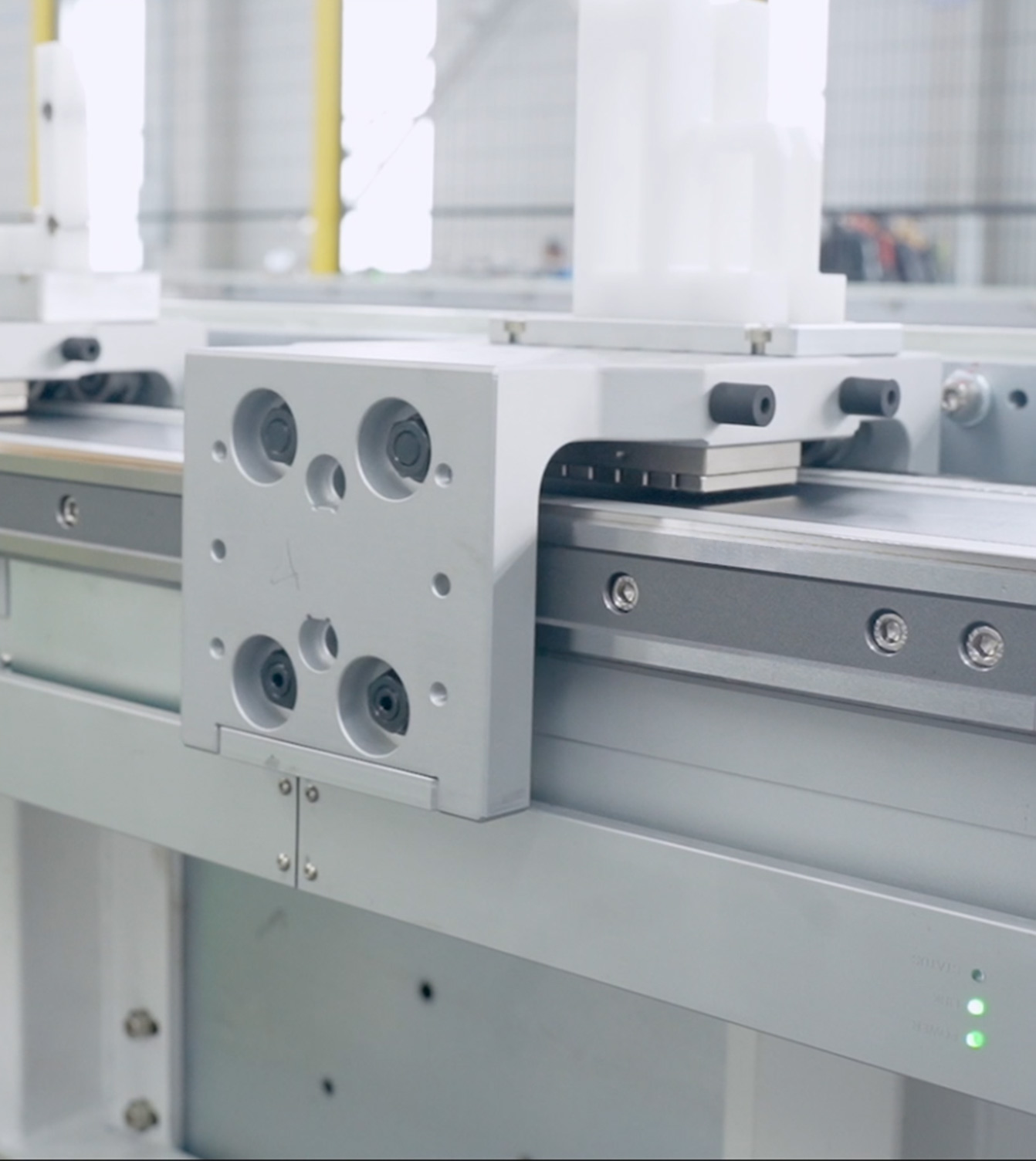
Costs bounce around because nobody nailed the practical handoffs early on. I’ve seen tight budgets blow up when teams assume a conveyor is a conveyor — then find out the pack handling needs sub-millimeter indexing, thermal control, and a custom end-of-line buffer. That’s where an intelligent conveyor system shows up in the spec and suddenly the quote doubles. Keep it simple: define what the line must do, not what you vaguely hope it’ll do.

Primary cost drivers you’ll actually pay for
Here are the things that most affect supplier pricing. Think of each as a dial you can turn to shape total project value:- Equipment complexity: single-station machines are cheaper than modular cells with vision, torque control, and thermal management.- Custom fixturing and tooling: prismatic cells vary; bespoke end-effectors and carriers add time and cash.- Cycle time and throughput targets: faster throughput needs heavier-duty units and smarter controls.- Material handling and buffering: automated staging, AGVs, or conveyors to protect packs add cost. The need for an automation production line transfer system for smooth, damage-free transfers is often underestimated.- Controls & software: PLCs, MES hooks, recipe management, and cybersecurity are line items — and one-off integration work can be pricey.- Safety and regulation: guarding, interlocks, and local compliance inspections vary by region and add scope.- Logistics and location: import duties, freight for heavy modules, and onsite labor rates matter as much as the hardware price.- Testing, calibration, and validation: functional test rigs, cycling verification, and documentation time are billable.

Pitfalls that derail schedules and budgets
I’ve worked on projects where the worst mistakes could’ve been avoided with a few clear steps. Common traps:- Vague acceptance criteria: no pass/fail gates for pack alignment or leak testing.- Skipping pilot runs: assumptions about handling dynamics fail once you add real packs.- Ignoring spare-part strategy: long lead times for custom parts grind maintenance to a halt.- Poor supplier vetting: great demos don’t always mean organized commissioning teams.- Underestimating controls integration: MES and plant networks take weeks, not days.When those things slip, time turns into cost fast.
How to compare supplier quotes the practical way
Ask for the same baseline and break costs into easily comparable buckets:- Bill of materials cost (hardware): explicit parts and major assemblies.- Engineering and customization: specific hours and deliverables.- Controls, software licensing, and integration: itemized modules vs. vague “controls” line.- Commissioning and training: what’s included on-site vs. charged hourly.- Warranty, spares, and service rates: list common wear parts and response times.- Schedule and milestones: penalties or incentives for missed dates.Bring a short, standardized validation checklist to vendor demos so everyone tests the same scenarios. If you can, visit a live line or rely on show-floor demos at events like Hannover Messe to see how a candidate behaves under load.
Practical alternatives and tradeoffs
Don’t lock into a single approach before you map tradeoffs:- Off-the-shelf conveyor modules: faster delivery, lower cost, less flexibility.- Modular robotic cells: good for variability, higher upfront engineering.- Hybrid lines: conveyors for bulk flow, robots for tricky pick/place — balances cost and adaptability.- In-house build: control over specifics, but you assume integration and long-term support risk.Choose based on your medium-term product roadmap and how frequently cell dimensions or cycle times will change.
Bottom line
Start by forcing clarity: define pass/fail criteria, list every handoff that touches a pack, and demand line-item transparency. That changes vague proposals into apples-to-apples comparisons and keeps contingencies realistic. From my experience working across battery programs and integrators, teams that plan handoffs and spare strategies early end up with predictable timelines and true total cost of ownership — which is why suppliers with proven integration discipline are worth considering alongside technical fit, like FHS, since project value lives in clean transfers and controlled change rather than the cheapest sticker price.